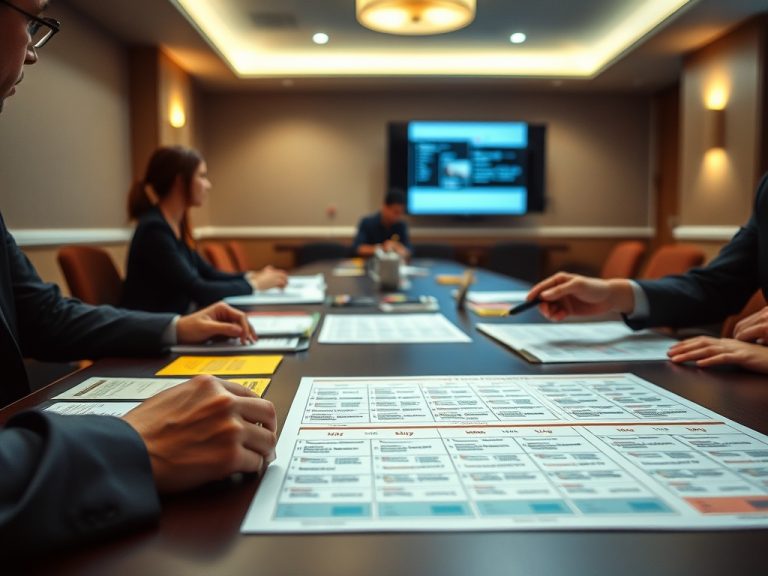
Catering, signage, and guest logistics work best when they are planned as one operating system rather than three separate vendor tasks. The aim is to reduce confusion, keep movement smooth, and give guests the right support at the right moment.
TL;DR: Advanced logistics depend on early assumptions, clear ownership, tested guest flows, and review loops after the event. Food service, wayfinding, staffing, accessibility, and communication should be measured together because guests experience them together.
Guest Logistics as a Complete Operating Layer
Strong event teams do not treat hospitality as decoration. They treat it as infrastructure. Guests judge the event through practical moments: finding the entrance, understanding where to go, getting dietary support, locating restrooms, reaching sessions on time, and knowing where to ask for help. If any of those moments fail, the program can feel less organized even when the content is strong.
Start with the attendee journey. Map the guest’s path from registration confirmation to arrival, check-in, session movement, breaks, meals, networking, departure, and follow-up. For each stage, identify what the guest needs to know, what the team must provide, and where confusion is likely. This exercise often exposes operational gaps before they become day-of problems.
Agenda complexity is a major driver. A one-room briefing has different needs than a large conference with parallel sessions. When the program includes multiple rooms or attendee groups, compare the logistics plan against the agenda model described in single-track vs. multi-track conference agendas.
Catering Choices That Support Flow
Catering decisions should support timing, inclusivity, and room movement. A plated meal may create a calmer experience but can require more time and seating discipline. Buffet service can offer choice, yet it may create queues if the station count, room layout, or service timing is weak. Grab-and-go options can work for tight schedules, but they need clear pickup points and enough waste management.
Do not wait until late planning to collect dietary needs. The process should be discreet, easy to complete, and connected to the caterer’s production timeline. Marking meals, briefing servers, and separating allergen-sensitive items are operational tasks, not last-minute courtesy gestures.
Wayfinding That Works Under Pressure
Good signage is readable, consistent, and placed where decisions happen. Guests do not need signs only at entrances. They need confirmation at turns, elevators, escalators, room doors, check-in areas, restrooms, meal stations, sponsor areas, and exit paths. Avoid clever labels that make sense to planners but not to first-time attendees.
Test signage by walking the route as a guest. Start from parking, transit drop-off, rideshare, hotel lobby, or venue entrance. If you need a staff member to explain the path, the sign system is not doing enough work.
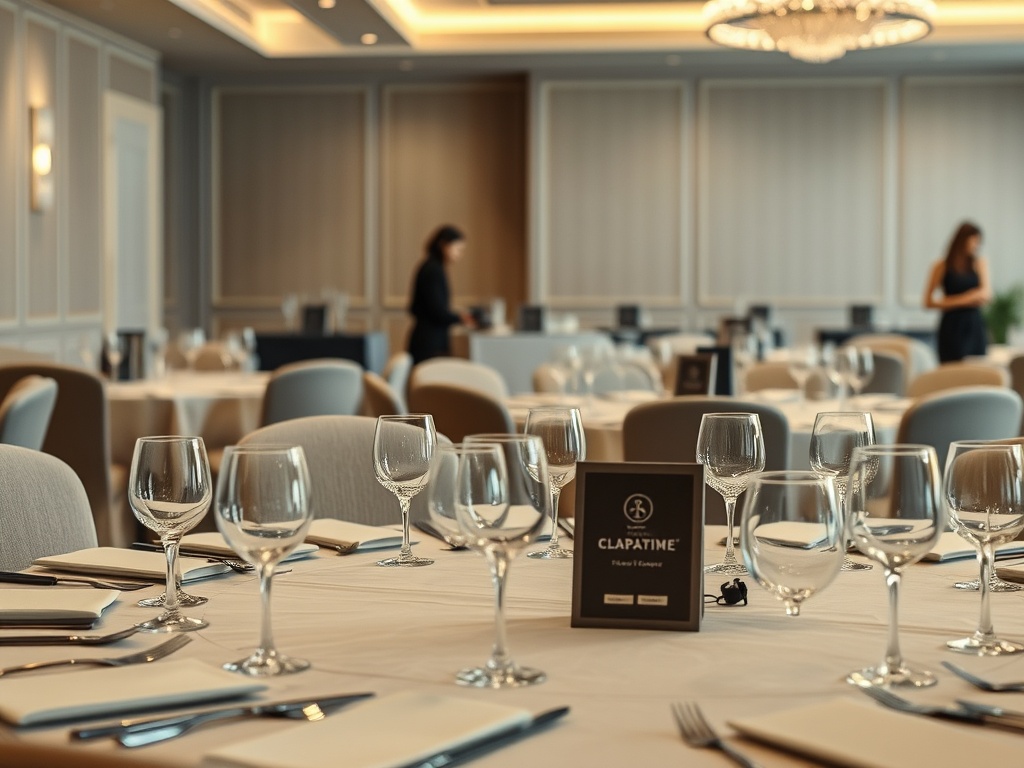
Staffing and Escalation Details
Every front-line team member should know what they can decide and when to escalate. A guest asking for accessibility support, lost credentials, dietary help, media access, or a room change should not be passed through five people. Create quick-reference scripts for common issues and a private escalation path for sensitive concerns.
Security and safety planning should be site-specific. CISA’s venue security guidance explains that each venue has unique risks and recommends physical security assessment rather than blind reuse of generic practices. For planners, the practical lesson is to align guest logistics with the venue’s safety rules, emergency exits, access control, and communication channels.
Metrics That Separate Average From Strong Operators
Measure the parts of logistics guests can feel. Useful signals include check-in time, queue length at peak arrival, late-session entry, meal service timing, help-desk issue types, signage questions, no-show patterns, accessibility requests resolved, and staff incident reports. Numbers do not need to be complicated; they need to be reviewed quickly enough to improve the next event.
After the event, compare planned assumptions with actual outcomes. Did breaks run long because food stations were too few? Did signs fail at one hallway? Did attendees miss sessions because rooms were mislabeled? These findings belong in the same debrief process as sponsor, content, and revenue results.
Service Standards Guests Can Actually Notice
High-standard logistics are not always expensive. Many improvements come from consistency. Staff should use the same room names, the same timing language, and the same answer for common questions. Signs should match the agenda and registration messages. Meal labels should match what guests were told when they submitted dietary needs. The venue map should match the physical path guests walk.
Create a “guest promise” for the operations team. It might be as simple as: guests can enter without confusion, find rooms without asking twice, receive food safely and respectfully, locate help quickly, and leave knowing what happens next. This promise gives front-line decisions a human standard. It also helps vendors understand why details such as line placement, tray timing, and sign height matter.
After the event, review logistics by segment. Speakers, sponsors, VIPs, general attendees, exhibitors, media, volunteers, and accessibility-request guests may experience the same venue differently. If one group had repeated problems, the overall event may still look successful in broad surveys while hiding a serious service gap.
Review Loops After Each Event Cycle
Advanced operators create feedback loops for each service area. Catering gets actual consumption and dietary notes. Signage gets a question log from staff. Registration gets peak arrival data. Venue operations gets room reset timing. Communications gets a list of questions guests asked before and during the event. Each note should become an input for the next planning brief.
The review should separate preference from failure. A guest may dislike a menu choice, which is useful but subjective. A guest with a confirmed dietary request who cannot find safe food is an operational failure. A sponsor may prefer more prominent signage, which is a commercial discussion. A room that guests cannot find is a wayfinding problem. Clear categories keep the debrief fair and useful.
Strong teams also compare internal observations with external standards where appropriate. Sustainability, accessibility, and safety guidance can influence decisions about materials, waste, service, and guest support. The Event Industry Council’s Sustainable Event Standards are one example of event-specific criteria that can help teams think beyond decoration and toward responsible operations.
Cross-Functional Walkthrough Before Lock Date
A cross-functional walkthrough should happen before the production lock date, not the morning of the event. Invite operations, venue, catering, registration, accessibility support, security, production, and communications. Walk the guest path, then pause at every decision point: entrance, check-in, coat check, session doors, meal stations, restrooms, help desk, elevators, sponsor areas, and exits. Ask what a first-time guest would know at that moment and what staff would do if something went wrong.
This walkthrough often reveals small fixes with large impact: moving a sign, adding a staff post, changing a meal station direction, adjusting break timing, or clarifying a script. Record the fixes immediately and assign owners before everyone leaves the venue.
Consistency Review Before Doors Open
Run a final “guest friction” review before the event. Walk the venue, scan the agenda, test check-in, review meal timing, verify signs, confirm staff locations, and rehearse common guest questions. The best plans are not the longest plans. They are the plans that survive contact with real guest behavior.
Educational note: This content is for planning awareness only. Confirm food safety, accessibility, security, ticketing, insurance, and venue requirements directly with qualified providers, official venues, and legal or compliance advisors where needed.