
VIP experiences can be worthwhile, but the label alone does not guarantee better value. The smartest buyers look past the badge and compare access, comfort, timing, fees, viewing quality, restrictions, and the real experience they care about most.
Premium Access Reality Check
- VIP does not always mean the best seat, shortest line, or most personal experience.
- Some upgrades improve comfort more than entertainment quality; others mainly create status signaling.
- Hidden or confusing fees can change the value calculation, especially for live-event tickets.
- Accessibility, crowd flow, weather, transportation, and schedule details often matter more than the word VIP.
Myth 1: VIP automatically means the best view
VIP sounds like superior access, but it can mean many different things. At a concert, it might mean early entry, a separate lounge, special merch, a dedicated bar, a viewing platform, or a meet-and-greet. At a festival, it might mean better bathrooms and shade but not a better sightline. At a theater event, it might mean hospitality before the show while the seat itself is only moderately better.
The practical question is not, Is it VIP? The practical question is, What exact problem does this upgrade solve? If the buyer wants a clear view, the seat map and venue layout matter. If the buyer wants less standing, seating matters. If the buyer wants less stress, entry timing and crowd management matter. If the buyer wants closeness to the artist, the package terms matter.
VIP value is strongest when the benefit matches the buyer’s real priority. It is weakest when the buyer pays for prestige but receives perks they barely use.
Myth 2: A higher price means a smoother night
A premium package can reduce friction, but it can also add logistics. Buyers may need to arrive early, queue in a separate place, carry merchandise, follow strict photo rules, or move between spaces at specific times. A meet-and-greet may be brief. A lounge may be crowded. A dedicated entrance may still bottleneck if many people bought the same tier.
This is where live-event pricing transparency matters. The U.S. Federal Trade Commission’s rule on unfair or deceptive fees, effective in 2025, focuses on preventing hidden mandatory fees in live-event ticketing and short-term lodging. The FTC’s public explanation of the rule on unfair or deceptive fees is useful because it reminds buyers to evaluate the total price, not only the advertised base price.
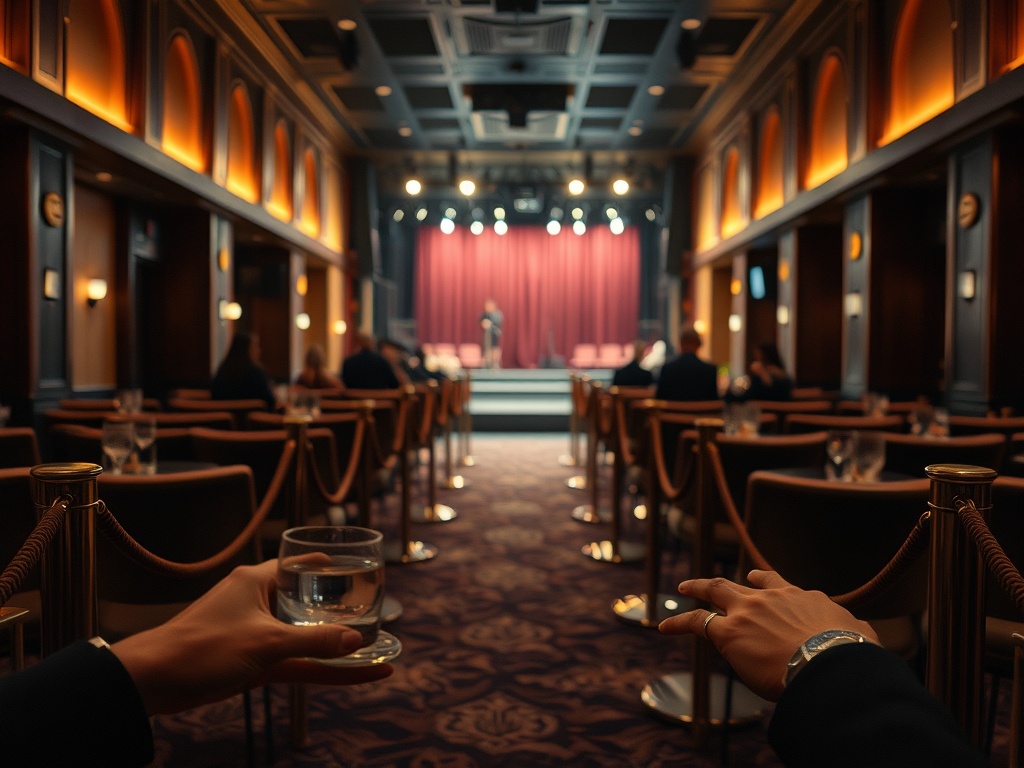
[Image Placeholder 1: A live-event venue entrance area with rope lanes, soft evening light, and non-identifiable attendees seen from behind, with all signage and ticket screens blurred.]
Myth 3: VIP makes the event more accessible for everyone
Accessibility and VIP are different concepts. A premium area may be more spacious or less crowded, but that does not mean it meets a visitor’s access needs. Accessible seating, companion seating, step-free routes, captioning, assisted listening, sensory accommodations, restroom access, and clear transport information should be evaluated separately.
The U.S. ADA guidance on ticket sales explains that accessible seating and ticketing practices are civil rights issues, not luxury perks. That distinction matters. A person should not have to buy a premium package to get meaningful access.
A buyer considering VIP for comfort should ask venue-specific questions. Is the route step-free? Are there seats? Are bathrooms nearby? Is there shade? Is there a quiet area? Are staff trained to handle access requests? Does the package include re-entry? These details can change the experience more than a branded wristband.
Myth 4: Exclusive merchandise makes the package pay for itself
Exclusive merchandise can be fun, but it rarely makes a package valuable by itself unless the buyer genuinely wants the items. The resale value of merch is unpredictable and should not be treated as guaranteed. Even when the items are attractive, carrying them during a crowded show can become inconvenient.
| VIP perk | When it may be worth it | When it may disappoint |
|---|---|---|
| Early entry | General admission events where rail position matters | Reserved seating where arrival time changes little |
| Lounge access | Long festivals, bad weather, or long gaps between acts | Small venues where the main floor is easy to use |
| Exclusive merch | Fans who want the item regardless of resale value | Buyers expecting it to offset the price |
| Meet-and-greet | Clear, well-managed, personally meaningful artist access | Brief, crowded, or highly restricted interactions |
| Premium viewing area | Better sightlines, seating, or lower crowd density | Side angles, distance, or obstructed views |
This is not an argument against VIP. It is an argument for matching the package to the actual night. A thoughtful premium experience can be excellent. A vague premium label can be expensive packaging around ordinary access.
Myth 5: If everyone is posting about it, it must be worth it
Social media makes VIP experiences look more complete than they may feel in person. People post the best angle: the wristband, the lounge entry, the closest clip, the gift bag, the one photo that worked. They rarely post the waiting, confusion, weather, cost, or short duration.
This dynamic overlaps with pop culture marketing. Awards show moments, festival clips, and celebrity-adjacent access can all become status signals online. To see how public attention can become its own media product, readers can compare this topic with how awards show moments become memes, marketing, and career turning points.
A buyer should separate the experience from the content opportunity. If the main value is taking a photo that proves you were there, the upgrade may be more about identity than entertainment. That can still be valid, but it should be recognized honestly.
How to judge a VIP package before buying
Read the full package terms before checkout. Compare the final price after fees. Look at the venue map. Search for official accessibility and entry information. Check whether perks are guaranteed or subject to change. Ask whether the upgrade solves a real problem: fatigue, crowd density, view, timing, travel, weather, or a meaningful artist interaction.
Also consider who is attending with you. A VIP standing area may not be ideal for a parent, child, shorter friend, or someone who needs seating. A lounge may be perfect for one person and boring for another. Value is personal, not universal.
A clearer premium decision
VIP is worth considering when the benefits are specific, usable, and connected to the experience you actually want. It is easier to decline when the package relies on vague exclusivity, unclear sightlines, or perks that look better online than they feel in person.
The next step is to make a two-column list before purchasing: must-have comfort or access needs on one side, nice-to-have perks on the other. If the VIP package mainly checks the second column, the premium may not justify itself.