In 2026, creative career development is becoming more structured, more networked, and more remote-friendly, but also more competitive. Portfolio reviews, online cohorts, and distributed collaboration now matter because they help artists prove judgment, process, reliability, and adaptability, not just taste.
Creative Career Signals for 2026
- Portfolios are shifting from polished galleries toward clearer evidence of process, role, constraints, and decision-making.
- Online cohorts are filling gaps between self-paced courses and formal degrees by adding accountability, critique, and peer networks.
- Remote creative work rewards communication habits, file discipline, version control, and async presentation skills.
- AI tools are changing expectations, but durable creative value still depends on taste, context, originality, and problem framing.
Trend 1: Portfolio reviews are becoming more diagnostic
A traditional portfolio review often asked, Is the work good? In 2026, strong reviews increasingly ask, What does this work prove? Employers, clients, admissions teams, and collaborators want to see not only finished images, reels, designs, or writing samples, but the thinking behind them.
That means a portfolio should clarify the problem, the audience, the constraints, the creator’s role, and the choices made along the way. A beautiful final image may impress, but a short process note can show whether the artist can revise, collaborate, respond to feedback, and make decisions under limits.
This shift reflects broader pressure in creative labor. Reports on remote work, such as We Work Remotely’s 2026 State of Remote Work, point to distributed hiring and worker expectations that make communication and trust more visible. Creative workers are affected by the same dynamics, especially when teams do not share a studio.
A practical portfolio review in this climate should also test audience fit. A game studio, gallery, animation team, publishing imprint, and creator-led brand may all value different proof. Instead of presenting every project as equally important, advanced creatives should curate sequences: first the strongest finished work, then the clearest process, then the most relevant collaboration example. That order helps a reviewer understand both taste and reliability before fatigue sets in.
Trend 2: Online cohorts are replacing lonely self-improvement
Self-paced learning can be useful, but many artists stall because they lack deadlines, critique, and social accountability. Online cohorts try to solve that gap. They create a shared calendar, peer group, instructor or mentor access, review sessions, and a reason to finish work.
The best cohorts are not just content libraries. They are practice environments. A useful cohort gives participants assignments, critique norms, examples of professional standards, and structured ways to learn from peers without turning feedback into vague praise.
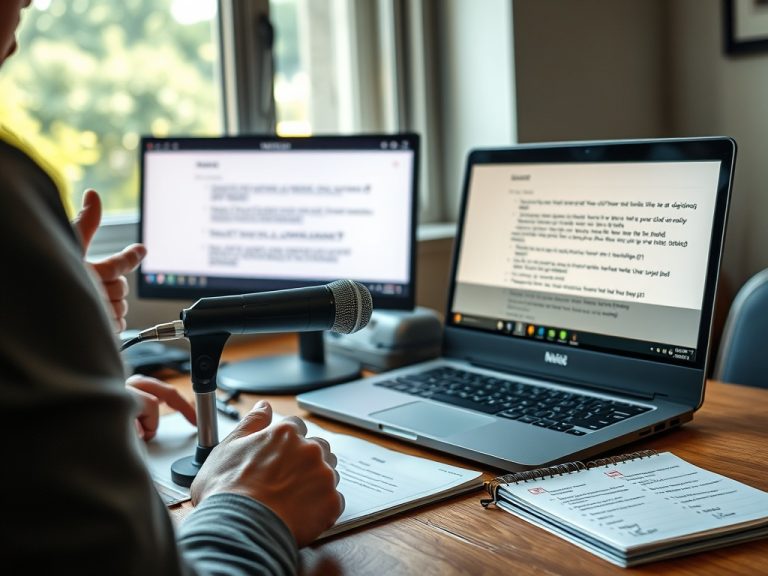
[Image Placeholder 1: A remote creative review desk with a laptop showing blurred portfolio tiles, a sketchbook, headphones, color swatches, and a coffee cup, photographed in soft natural light.]
Cohorts also help with confidence. Seeing peers struggle with composition, storyboards, character designs, pitch decks, or client presentation can normalize revision. For many creative workers, that is as valuable as the lesson itself.
Trend 3: Remote creative work now requires visible reliability
Remote work changes how creative trust is built. In a studio, people may see a teammate sketching, testing, revising, or asking questions. Remotely, much of that labor is invisible unless the creator communicates it.
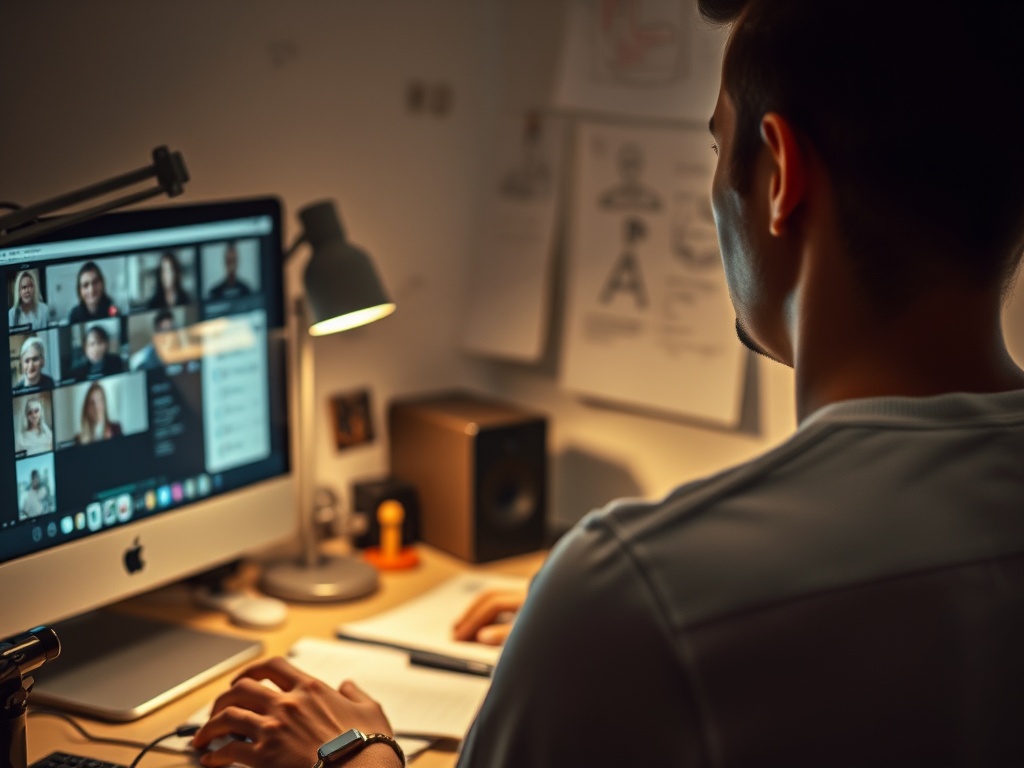
A remote-ready creative worker needs more than talent. They need to label files clearly, explain decisions, share progress at the right moments, ask specific questions, and present work without assuming the viewer has context. A weak presentation can make good work seem unfinished. A clear presentation can help reviewers understand the craft.
| Skill area | What reviewers look for in 2026 | Practical portfolio signal |
|---|---|---|
| Process clarity | Can you explain why choices changed? | Before-and-after panels with short notes |
| Collaboration | Can others build on your work? | Role descriptions and handoff examples |
| Remote discipline | Can you communicate asynchronously? | Clean case studies, organized files, clear captions |
| Tool fluency | Can you use tools without being led by them? | Outputs tied to creative intent, not tool novelty |
| Critique maturity | Can you revise without losing direction? | Iteration notes and final rationale |
This matters across animation, games, illustration, publishing, VFX, and content production. A rigger, for example, may need to show how technical decisions support acting later. That makes how rigging decisions affect acting choices later in production a useful companion topic for portfolio thinking.
Trend 4: AI is raising the bar for explanation
AI-assisted tools have made certain outputs faster to generate, which changes how portfolios are interpreted. Reviewers may become less impressed by a single polished image if they cannot see authorship, judgment, or context. This does not mean AI work has no place. It means creators need to be clear about their role.
A strong 2026 portfolio can explain where AI, templates, stock assets, procedural systems, or team resources were used. That transparency protects trust. It also helps reviewers understand the creator’s actual strengths: art direction, editing, prompting, compositing, character design, visual research, animation timing, or narrative development.
Artlist’s 2026 trend report points to creator interest in authenticity and experience in an AI-shaped creative environment. For portfolio reviews, the takeaway is practical: do not rely on surface polish alone. Show judgment.
Trend 5: Cohorts are becoming network filters
Creative industries have always relied on networks, but online cohorts make those networks more visible. A good cohort can introduce peers who later share jobs, collaborations, referrals, festivals, newsletters, or critique groups. A weak cohort can become an expensive chat room with little accountability.
Before joining, evaluate the instructor’s current relevance, review format, cohort size, feedback depth, alumni examples, schedule, refund policy, and expected weekly workload. A cohort that fits a beginner may not challenge an advanced artist. A prestige name may not offer the type of critique a person actually needs.
What advanced creatives should do next
Advanced readers should treat 2026 as a year to make their creative evidence clearer. Update portfolio entries with concise process context. Record one short walkthrough explaining a project decision. Join or form a critique group with specific rules. Practice presenting work asynchronously, especially if pursuing remote roles.
Do not chase every trend. Focus on proof. The strongest portfolio does not merely say you can make compelling work. It shows how you think, how you improve, and how others can trust you inside a real creative process. It should also make your preferred direction visible, because a generalist portfolio without priorities can make reviewers work too hard to place you.