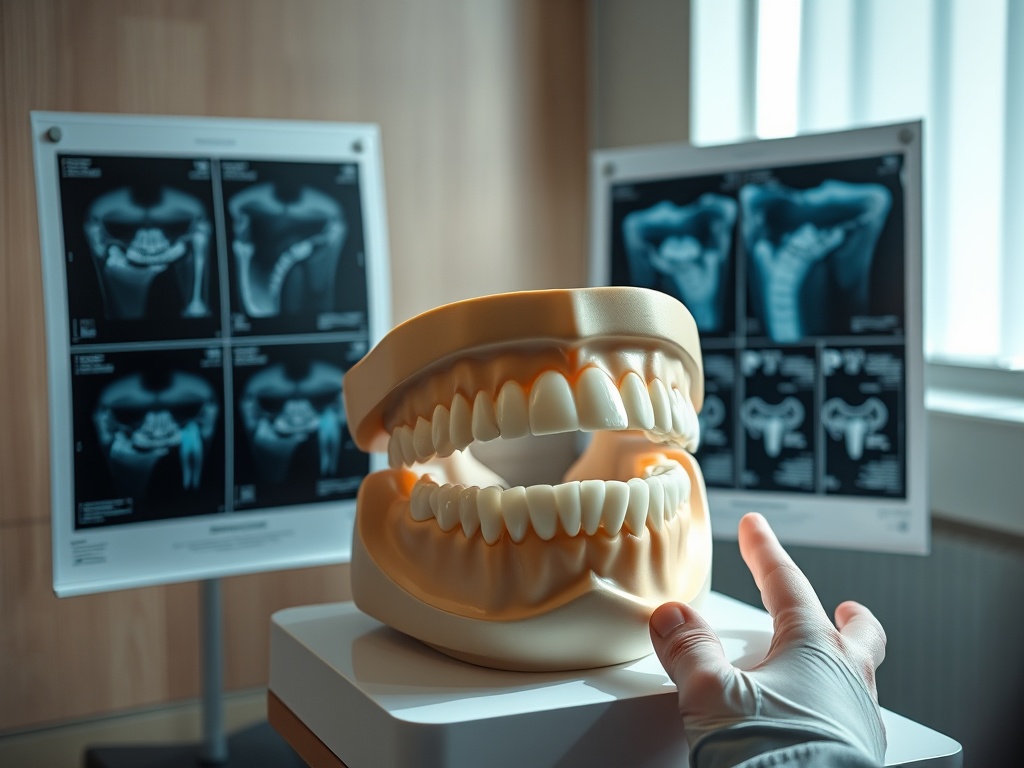
Burning mouth syndrome is ongoing burning, scalding, or tingling pain in the mouth without an obvious dental cause on routine exam. It is real, frustrating, and often more complex than a single “mouth problem,” which is why treatment usually starts with ruling out triggers and contributing conditions rather than jumping straight to one fix.
TL;DR
- Symptoms often involve the tongue, lips, palate, or whole mouth and may worsen as the day goes on.
- Dry mouth, taste changes, clenching, irritation, nutritional issues, reflux, medication effects, and other medical factors can all matter.
- There is not one universal treatment. Improvement often depends on identifying contributors and matching therapy to the patient’s pattern.
- Persistent burning deserves coordinated dental and medical review rather than repeated self-treatment.
What the symptoms often point to
Patients describe burning mouth syndrome in different ways: burning, rawness, stinging, numbness, tingling, or a strange hot sensation despite normal-looking tissues. The NIDCR page on burning mouth syndrome notes that symptoms can also include dry mouth and altered taste. Those details matter because they push the workup beyond a simple visual exam.
Many people first assume they are reacting to toothpaste, spicy food, or a sore spot from biting. Sometimes that is true. But when the burning keeps returning without a clear lesion, the question becomes whether there is an oral trigger, a systemic contributor, or a primary pain disorder pattern.
Common triggers and contributors that need sorting out
Dentists and physicians may review oral dryness, yeast infection, poorly fitting appliances, parafunction such as grinding or clenching, reflux, medications, endocrine issues, nutritional deficiency, anxiety, and sleep disruption. The point is not to blame the patient for stress. It is to avoid missing something treatable or aggravating.
This is one reason the condition can feel slow to diagnose. The diagnosis is often about ruling other problems in or out, then deciding whether the remaining picture still fits burning mouth syndrome.
Temporary relief versus longer treatment paths
Short-term relief may come from avoiding acidic irritants, addressing dry mouth, changing products that clearly sting, or managing clenching if it is worsening symptoms. Longer treatment paths depend on what the workup finds. Some patients benefit from saliva support, medication adjustments with their medical team, management of yeast infection, or strategies aimed at neuropathic pain.
There is rarely one dramatic procedure that “fixes” it in a day. The better question is which contributors are modifiable and which symptom-management tools make daily life easier while the workup continues.
When coordinated follow-up matters most
Because burning mouth symptoms can overlap with broader oral or medical issues, coordinated follow-up matters when the pain is persistent, sleep-disrupting, or linked with weight change, swallowing difficulty, or unexplained lesions. Persistent symptoms are also worth reviewing if they started after medication changes or significant hormonal shifts.
If mouth pain turns out to be mostly clenching-related rather than a true burning mouth pattern, it may intersect more with damage from grinding and clenching than with a primary pain syndrome.
When to seek urgent versus routine care
Book promptly for persistent burning, especially if the tissues look normal but the discomfort keeps recurring. Seek faster evaluation if you also have swelling, ulcers that do not heal, bleeding, fever, or a new mass. Those features do not fit simple self-management.
Quick questions about Burning Mouth Syndrome: Symptoms, Triggers, and Treatment Paths
Could this calm down for a while and still need treatment later? Yes. Dental symptoms often fluctuate. Improvement does not always mean the underlying cause is resolved, especially with cracks, trauma, or bite-related problems.
What details help the dentist diagnose the problem faster? Explain what triggers the symptom, how long it lasts, whether it wakes you up, and whether there was trauma, dental work, or a recent change in chewing or temperature sensitivity.
What sign means I should stop monitoring and call quickly? Swelling, fever, rapid worsening, persistent bleeding, or pain that becomes more constant and harder to manage usually means the problem has moved beyond simple watchful waiting.
Before the visit, note these details about Burning Mouth Syndrome: Symptoms, Triggers, and Treatment Paths
A short symptom log is often more useful than trying to remember the whole story under stress. Patterns help the dentist separate a local irritation from a structural, infectious, or systemic issue.
- When the symptom started and whether it is getting better, worse, or simply changing shape.
- What triggers it most clearly: biting, temperature, pressure, dryness, eating, or time of day.
- Any recent trauma, dental work, medication change, or illness that appeared before it began.
- What you already tried at home and whether it helped only briefly or not at all.
A careful workup is part of treatment
Burning mouth syndrome is not a condition to diagnose from a product aisle or social media thread. A thoughtful review of symptoms, triggers, medications, and oral findings usually gives you the best chance of finding a path that is actually helpful.