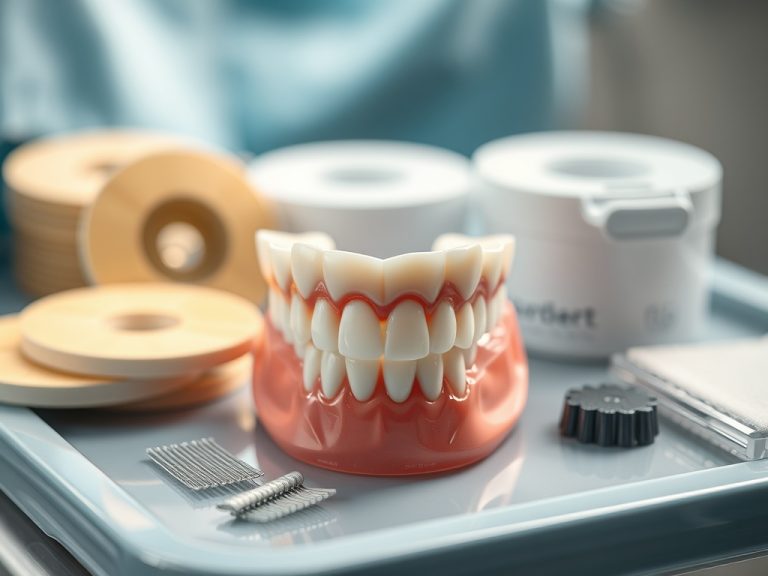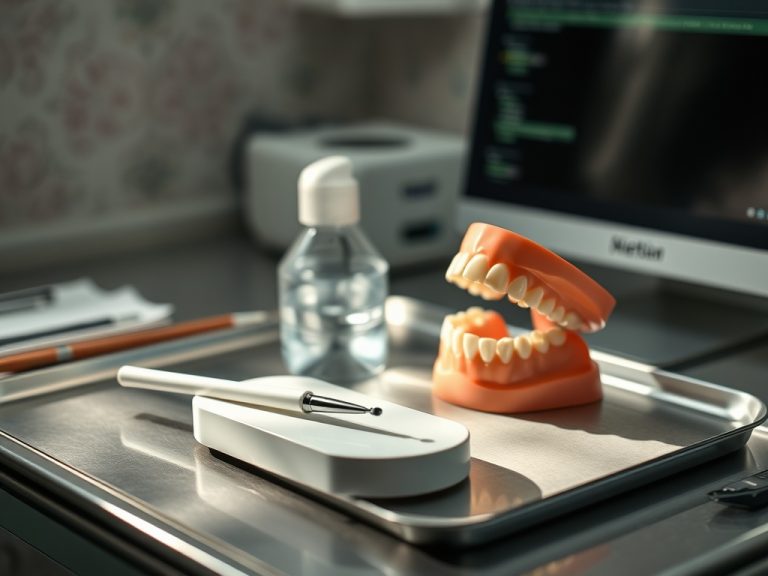
Gum grafting is used when gum recession leaves root surfaces exposed and the dentist believes extra tissue could improve protection, comfort, or long-term stability. It is not only a cosmetic procedure. In many cases, the real goals are to reduce sensitivity, slow further recession, and make the area easier to maintain.
TL;DR
- Root exposure can increase sensitivity, plaque retention, and the risk of root-surface wear or decay.
- A gum graft may be recommended when recession is progressing, the tissue is thin, or the exposed area is hard to keep stable.
- Different grafting approaches exist, and the choice depends on tissue type, location, and the treatment goal.
- The plan changes if bite trauma, smoking, clenching, or active gum disease are still driving the recession.
What root exposure usually means
Root exposure happens when gum tissue migrates away from the crown and leaves the root more visible. Patients may notice sensitivity, a longer-looking tooth, or a notch near the gumline. The exposed area can also collect plaque differently than enamel. The Cleveland Clinic’s overview of gum graft surgery explains that gum grafting is commonly used to treat gum recession and protect areas where roots are no longer well covered.
Not every exposed root needs surgery right away. Dentists first want to know whether the recession is stable, whether the tissue is thin and vulnerable, and whether the patient can control the forces that may have caused it.
How the condition is measured and why the recommendation changes
Clinicians often assess the amount of recession, the width of remaining attached tissue, root sensitivity, brushing trauma, bite forces, and whether there are periodontal pockets or bone loss nearby. If the recession is part of broader periodontal disease, inflammation may need to be treated before any grafting is considered. That makes the topic naturally overlap with how grinding damage also needs cause control.
The recommendation may also change if clenching, misaligned biting forces, tobacco use, or aggressive brushing are still active. A graft placed into an unchanged environment may not address the reason the recession happened.
What a graft is trying to accomplish
The main goals are usually root coverage, thicker tissue, lower sensitivity, and a healthier tissue margin that resists further breakdown better than the preoperative tissue did. In some patients, appearance is a major concern. In others, the problem is functional: the area is tender, plaque sticks easily, or the root is wearing down.
| Treatment question | Why it matters before grafting |
|---|---|
| Is the recession stable or worsening? | Determines urgency and whether underlying causes are controlled |
| Is there active gum disease? | Inflammation may need treatment first |
| Is the goal sensitivity relief, protection, or aesthetics? | Shapes graft choice and expectations |
| Is the bite or brushing technique contributing? | Prevents recurrence after surgery |
When it stays routine and when referral becomes more important
A routine referral to a periodontist often happens when the site is thin, multiple teeth are involved, the root exposure is significant, or the patient has complex tissue needs. That does not automatically mean the case is severe. It often means soft tissue management will benefit from more specialized planning.
Move more quickly if the exposed root is becoming painful, the area is rapidly changing, or there are signs of broader periodontal instability. If your recession is tied to untreated grinding or heavy loading, it may also help to understand how clenching damages teeth and restorations because controlling the force pattern can matter as much as the surgery.
Questions patients should ask before agreeing
Ask what is causing the recession, what the graft is expected to improve, whether any home-care or bite changes are needed first, and how success will be judged. Those answers usually make the procedure easier to understand than focusing only on recovery time.
Quick questions about Gum Grafting Explained for Patients With Root Exposure
Does a referral automatically mean the case is severe? No. A referral often means the office wants a setting or specialist better matched to the tissue, behavior, medical, or restorative demands of the case.
What usually makes someone a candidate? Candidacy is usually about whether the treatment addresses a real problem and whether the mouth and patient circumstances can support it safely and predictably.
What detail changes the treatment path most often? The detail that changes the path most often is not a single symptom but the context around it: gum health, medical history, bite forces, mobility, or support needs.
Before the visit, note these details about Gum Grafting Explained for Patients With Root Exposure
Practical details often change dental plans as much as clinical details do. Bringing those realities into the conversation early usually leads to recommendations you can actually carry out.
- Which part of the problem is hardest right now: cost, timing, cleaning, comfort, access, or understanding the recommendation.
- What part of your current routine already works so the next plan can build on it instead of restarting everything.
- Any barriers at home, work, school, transportation, or caregiving that could affect follow-through.
- One sentence describing what success would look like to you after the next appointment.
Think of the graft as tissue management, not just surface coverage
When a dentist recommends grafting for root exposure, the most useful next question is not “Do I really need surgery?” but “What problem is the graft solving, and have we addressed the reason the gum moved in the first place?”