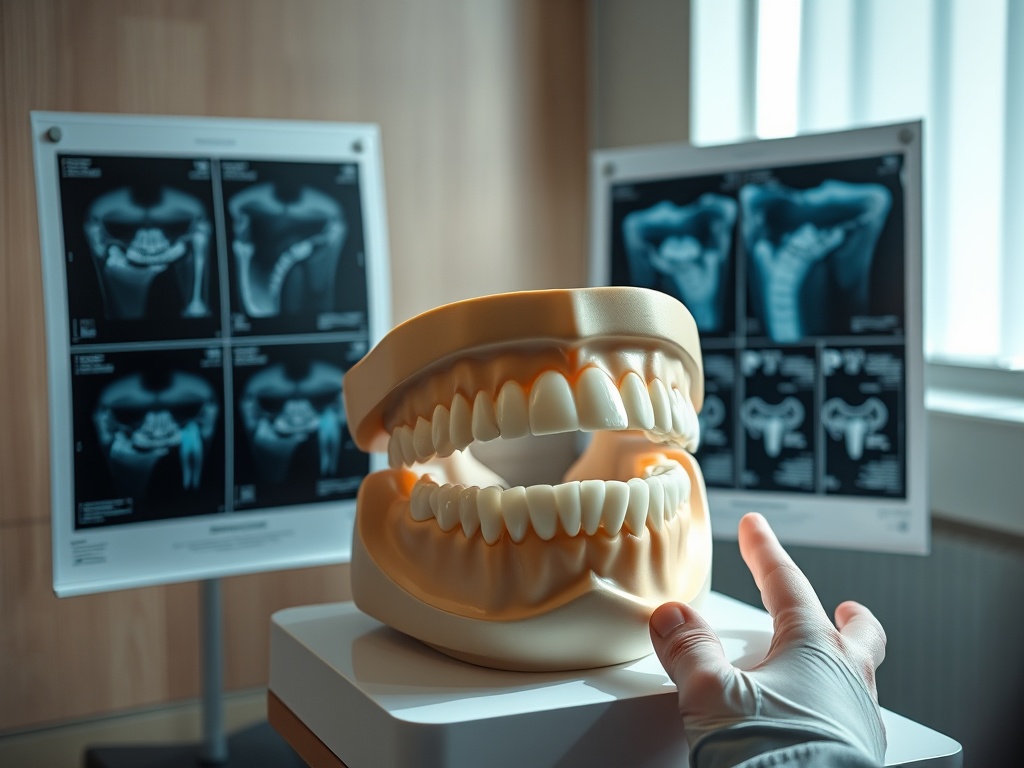
Cosmetic contouring is a conservative way to smooth tiny chips, soften uneven edges, and refine shape when the problem is small and the enamel allows it. It works best when the goal is subtle improvement, not major reconstruction.
TL;DR
- Contouring removes very small amounts of enamel to improve symmetry or smooth rough edges.
- It is usually best for minor shape irregularities, not for large fractures or deep structural problems.
- A dentist will often check bite contacts first so the new shape is not immediately re-stressed.
- If sensitivity, crack lines, or tooth weakness are present, another treatment may make more sense.
What the process usually involves
The dentist identifies the tiny edge or contour issue, marks how the tooth contacts the opposing arch, and then reshapes the enamel in small increments using fine finishing instruments. The aim is to maintain a natural look rather than create a visibly “done” tooth. In well-selected cases, the change is more about harmony than transformation.
Because only small amounts of enamel are adjusted, case selection matters. A rough edge after a tiny chip may be ideal. A larger break, dark underlying crack line, or tooth that hurts on biting is not.
Timing, tools, and preparation
Preparation is minimal compared with veneers or crowns, but the pre-check is still important. Dentists often want to know whether the chip came from trauma, grinding, or an unstable bite. They may take photos, evaluate symmetry from multiple angles, and show you where the tooth can be safely refined without thinning it too far.
Patients sometimes think contouring is a casual polish that can be done on any front tooth at any time. In reality, the bite and the source of the chip matter. A small edge flaw caused by heavy clenching may recur unless the force pattern is addressed, which is why grinding-related damage belongs in the conversation.
Common mistakes and when another option is better
The biggest mistake is using contouring for a problem that is too large. If the dentist would need to remove healthy enamel just to hide a bigger defect, bonding or another restoration may be more conservative overall. A second mistake is ignoring cracks or sensitivity and treating the case as purely cosmetic.
| If the problem is… | Cosmetic contouring may work well | Another option may fit better |
|---|---|---|
| Tiny chip or slight unevenness | Yes | Usually not needed |
| Small rough edge after minor wear | Often | Sometimes bonding |
| Large missing corner or color mismatch | Rarely | Bonding or veneer planning |
| Pain on biting or deep crack line | No | Structural and diagnostic workup first |
When you can watch it and when a dental visit should take over
A tiny edge that is only slightly rough can sometimes wait for a routine visit if there is no pain and no sharpness cutting the lip or tongue. A dental visit should take over sooner if the edge is sharp, the chip is growing, the tooth looks darker, or biting feels different. Those clues suggest the issue may be bigger than surface cosmetics.
If the change followed an accident, or if the tooth is sensitive afterward, the evaluation starts looking more like trauma care or crack assessment than contouring.
How to keep the result looking natural
Good contouring is subtle, so preserving it often means avoiding nail biting, ice chewing, package-opening with teeth, and other habits that caused the small defect in the first place. Ask your dentist what the safe maintenance limits are for that tooth.
Quick questions about How Cosmetic Contouring Works for Small Chips and Uneven Edges
Do I need special products to do this correctly? Usually not many. The most useful setup is a small set of tools you will actually keep using consistently rather than a large collection of products that complicates the routine.
What if I miss a day or have a difficult week? The main goal is to return to the routine quickly instead of treating one missed session as a reason to stop. Dentistry usually rewards consistency over perfection.
How do I know when home care is no longer enough? If pain, swelling, bleeding, trapping, or appliance damage keeps recurring despite a reasonable routine, it is time for the office to evaluate what home care cannot solve on its own.
Before the visit, note these details about How Cosmetic Contouring Works for Small Chips and Uneven Edges
Practical details often change dental plans as much as clinical details do. Bringing those realities into the conversation early usually leads to recommendations you can actually carry out.
- Which part of the problem is hardest right now: cost, timing, cleaning, comfort, access, or understanding the recommendation.
- What part of your current routine already works so the next plan can build on it instead of restarting everything.
- Any barriers at home, work, school, transportation, or caregiving that could affect follow-through.
- One sentence describing what success would look like to you after the next appointment.
Subtle fixes work best when the problem is truly small
Cosmetic contouring is most successful when it respects the tooth’s structure. If the fix would require more subtraction than the defect deserves, a different option is usually smarter.