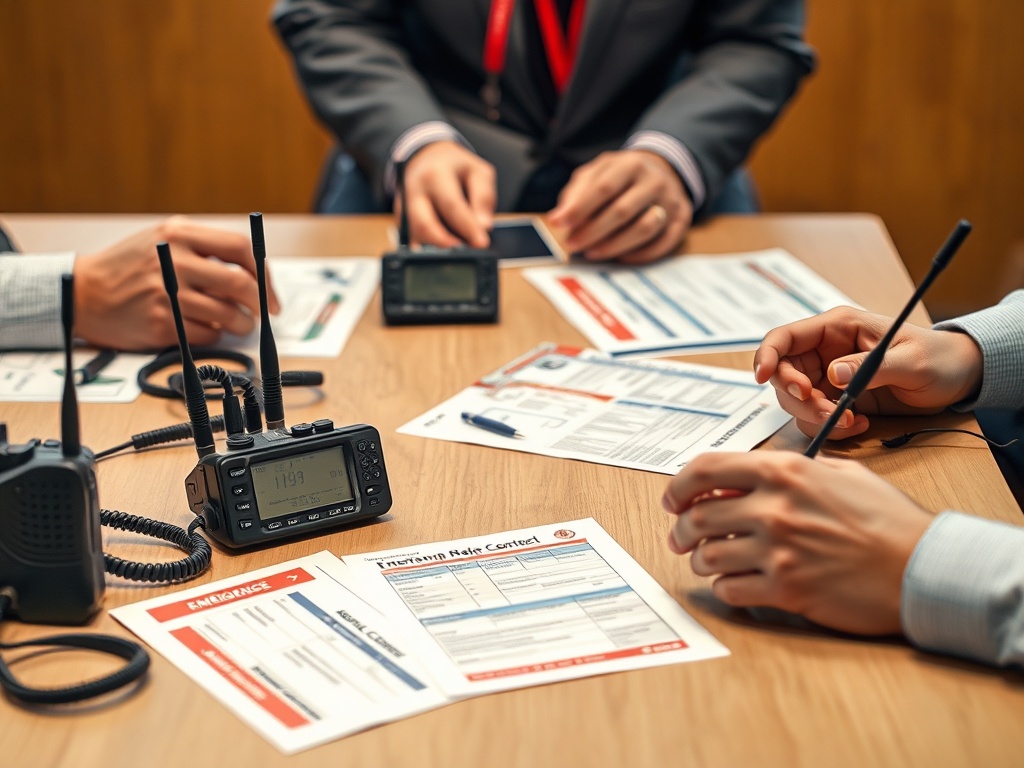
An event debrief checklist should help the team review what happened, what changed, what evidence supports the findings, and what should improve before the next planning cycle. The best debriefs happen after data is collected but before memories fade.
TL;DR: Review goals, attendance, budget, guest experience, operations, marketing, sponsors, safety, vendor performance, and follow-up ownership. Separate facts from opinions so the team can turn lessons into better systems.
Before the Team Reconvenes
A useful debrief starts before the meeting. Collect registration data, attendance scans, budget updates, sponsor feedback, survey responses, staff notes, vendor reports, incident logs, and marketing metrics. Ask team members to submit observations in writing before the group discussion. This prevents the loudest memory from becoming the whole story.
The goal is not to create blame. It is to protect learning. Events move quickly, and teams often repeat the same issues because insights stay trapped in hallway conversations or private messages.
Review the Original Goal First
Start with the event brief. What was the event supposed to accomplish? Which audience did it serve? What success signals were approved? If the goal changed during planning, note when and why. A debrief without the original goal becomes a list of disconnected opinions.
If the brief did not provide enough clarity, connect the finding back to event brief mistakes that create bottlenecks. The fix may be an upstream planning change rather than a day-of operations change.
Checklist: Evidence to Bring Into the Room
Bring confirmed attendance, registration source mix, no-show rate, session attendance if available, revenue and expense summary, sponsor deliverables, catering counts, check-in issue log, signage questions, guest survey themes, staff incident notes, social or search performance, and follow-up conversion data.
Do not invent attendee sentiment. If feedback is anecdotal, label it as anecdotal. If a survey response rate is low, say so. If a number is unavailable, leave it unavailable rather than filling the gap with a guess.
Operational Questions That Matter
Ask what slowed the team down, what confused guests, what created rework, and what surprised vendors. Review arrival, check-in, room flow, catering, signage, accessibility support, session timing, speaker readiness, production, and teardown. The check-in article on fixing arrival lines can help teams turn vague frustration into process questions.
For safety or security matters, document only appropriate details and follow the venue’s incident procedures. Sensitive findings may need limited distribution.
Sponsor and Revenue Review
Compare promised sponsor deliverables with what was actually delivered. Review booth traffic where measured, lead capture, speaking slots, brand placement, hospitality commitments, and post-event reporting deadlines. Then connect those findings to the revenue model. Did sponsor packages match attendee behavior? Did pricing assumptions hold? Were costs approved quickly enough?
A strong debrief turns revenue findings into renewal support. If the team can explain what worked and what will improve, sponsor conversations become more specific.
Marketing and Search Follow-Through
Review landing page performance, email engagement, referral sources, conversion paths, content downloads, post-event page updates, and unanswered attendee questions. For public events, confirm whether the page should be updated with recap content, future interest forms, or corrected event status.
Google’s event structured data documentation is useful when teams need to understand how event status and details should be represented on eligible pages. Keep public pages accurate after the event so old details do not mislead future visitors.
Turn Findings Into Owners
End each debrief item with an owner, deadline, and next artifact. “Improve signage” is too vague. “Create a sign placement map for multi-room events by the next venue walkthrough” is actionable. “Train staff better” is vague. “Build a five-case check-in exception script before the next registration rehearsal” is actionable.
Store debriefs where future planners can find them. If each event starts from scratch, the organization is paying to relearn the same lesson.
Facilitation Rules for a Productive Debrief
A debrief needs structure because emotions can run high after an intense event. Begin with facts, then move to interpretation, then actions. Do not let the meeting start with broad claims such as “everyone loved it” or “check-in was a disaster.” Ask what evidence supports the statement, which guests were affected, and whether the issue was isolated or systemic.
Invite disagreement, but keep it tied to decisions. Marketing may view a packed room as success, while operations may see the same room as a crowd-flow warning. Finance may focus on margin, while the program team focuses on mission impact. These perspectives can all be valid. The facilitator’s job is to turn them into clear next steps rather than competing narratives.
End with fewer actions than the team can actually complete. A debrief that produces fifty tasks often produces no change. Choose the improvements that will reduce the most risk, save the most time, or improve the most important guest moments before the next event.
Pre-Meeting Survey for Internal Teams
Before the debrief meeting, send a short internal survey. Ask each person to name the strongest outcome, the biggest friction point, one decision that came too late, one guest question that repeated, one vendor issue, and one change they recommend. This gives quieter team members a voice before the room discussion begins.
Group responses by theme before the meeting. If five people mention signage, the topic deserves time. If one person mentions a personal preference that did not affect guests or outcomes, it may be logged but not prioritized. This keeps the debrief evidence-led without ignoring lived experience.
Share a brief summary after the meeting. Include decisions made, owners assigned, deadlines, and where the debrief record is stored. The summary is what turns conversation into organizational memory.
Red Flags to Spot Before the Meeting
Before the debrief, look for red flags in the evidence. Did attendance differ sharply from registration? Did one session overflow while another sat nearly empty? Did catering counts miss actual consumption? Did sponsors ask for reports the team cannot produce? Did support questions repeat after the first reminder email? These patterns show where planning assumptions broke.
Bring red flags to the meeting as questions, not accusations. For example: “What caused the badge reprint spike between 8:30 and 9:00?” is more useful than “registration failed.” Better questions lead to better fixes.
What Not to Debate in the Debrief
Some topics should be parked if they cannot be solved in the debrief. Personal taste, unverified rumors, and decisions outside the team’s authority can drain time. Capture them separately if needed, then return to evidence, owner assignments, and changes that can improve the next event.
Lessons Ready for the Next Brief
The debrief is complete only when insights feed the next event brief, budget, vendor list, risk plan, and timeline. Keep the meeting focused, evidence-based, and kind. A clear debrief helps teams improve without turning every surprise into a crisis.
Educational note: This article is informational only. Confirm financial, legal, safety, contractual, privacy, and reporting obligations with official sources and qualified advisors before using debrief findings for decisions.