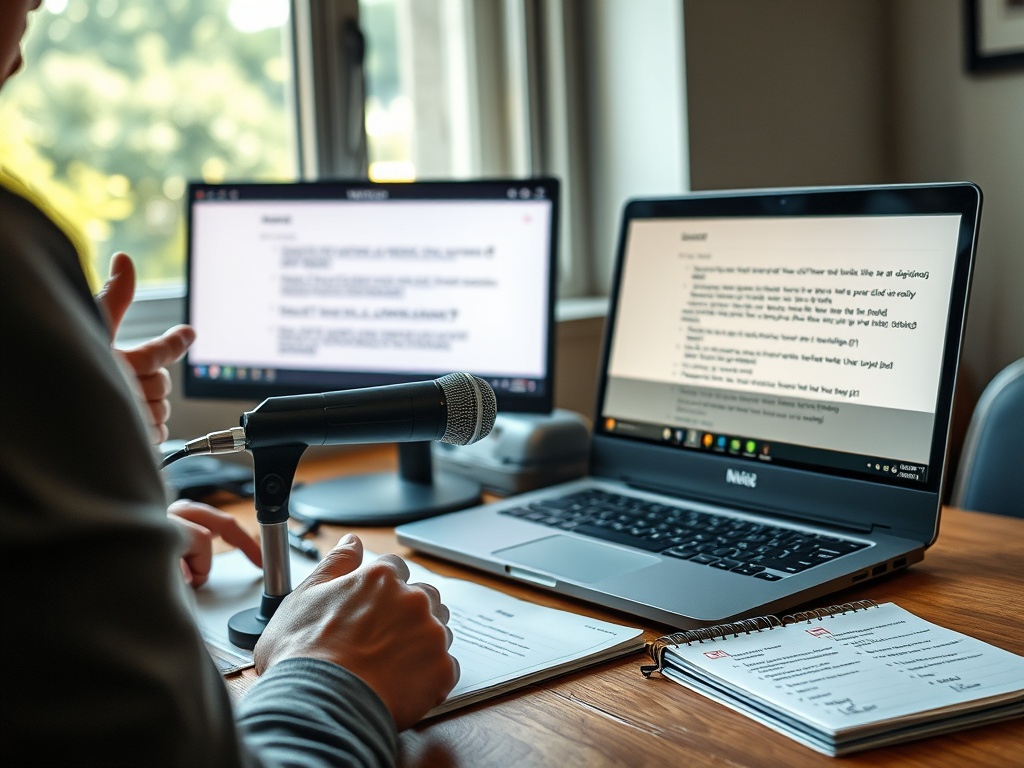
Museums are not only for experts, tourists, or school trips. The best museums serve many kinds of visitors, including local residents, families, lifelong learners, artists, researchers, casual weekend visitors, and people who simply want a quieter way to encounter culture.
Museum Myth Check
- Museums are public cultural spaces, not tests of expertise.
- Many institutions design programs for adults, families, community groups, students, tourists, and returning local visitors.
- The idea that museums are only for certain audiences can stop people from using resources that were built for public learning and enjoyment.
- A good visit does not require seeing everything, understanding every label, or treating the museum like a school assignment.
Myth 1: You need expert knowledge before you go
This myth misunderstands what museums are for. A visitor does not need a degree in art history, anthropology, science, design, or archaeology to benefit from a museum. Background knowledge can deepen a visit, but curiosity is enough to begin.
The International Council of Museums defines museums as institutions in the service of society that research, collect, conserve, interpret, and exhibit heritage. The definition also emphasizes that museums are open to the public, accessible, and inclusive, offering experiences for education, enjoyment, reflection, and knowledge sharing through the ICOM museum definition. That wording matters because enjoyment and reflection sit alongside education.
A beginner can approach a museum through simple questions. What catches my attention first? What materials were used? What does this object reveal about daily life, power, belief, labor, fashion, or memory? What feels familiar, and what feels unfamiliar? These questions are valid even without expert vocabulary.
Myth 2: Museums are mainly for tourists
Tourists often visit museums because museums help explain a place. But local visitors can get even more value from returning over time. A museum can become a seasonal habit, a place for public talks, a quiet afternoon, a family routine, a research stop, or a way to understand local history beyond headlines.
The American Alliance of Museums describes audience engagement and visitor experience as work focused on helping members of the public feel welcomed and stimulated throughout their journeys. Its resource area on audience engagement and visitor experience reflects how much attention the field gives to different visitor needs.
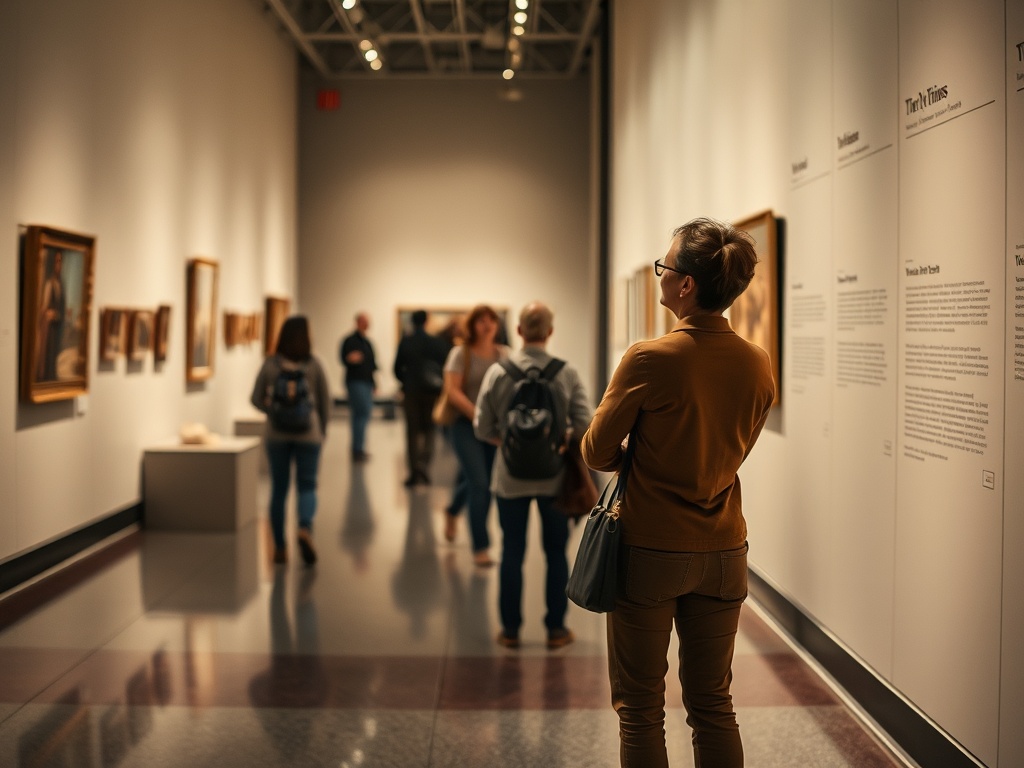
Local visitors also have an advantage: they do not need to see everything at once. A tourist may feel pressure to cover the whole building. A local visitor can spend 45 minutes with one gallery, return for a program, bring a friend later, or revisit a favorite object when a new label, guide, or exhibition context changes the experience.
[Image Placeholder 1: A calm museum gallery with a few non-identifiable visitors viewed from behind, natural light across the floor, and blurred wall labels, photographed in an authentic editorial style.]
Myth 3: Museums are only meaningful on school trips
School trips can be memorable, but they are only one format. Museums also support adult learning, intergenerational visits, creative practice, community events, professional research, public lectures, workshops, sensory-friendly programs, and self-guided exploration.
| Visitor type | Useful museum approach | Why it works |
|---|---|---|
| First-time adult visitor | Choose one gallery and move slowly | Reduces pressure to understand everything |
| Family group | Pick three objects and let each person choose one | Gives children and adults shared ownership |
| Artist or designer | Study materials, composition, and display choices | Turns the visit into visual research |
| Local resident | Attend one recurring program or talk | Builds connection beyond a single visit |
| Casual weekend visitor | Follow curiosity rather than the map | Keeps the experience relaxed and personal |
The practical downside of the school-trip myth is that adults may stop seeing museums as places for themselves. They remember worksheets, crowded buses, and strict time limits, then assume that is the whole experience. A self-directed adult visit can be completely different.
Myth 4: If you do not read every label, you are doing it wrong
Museum labels can be helpful, but they are not commands. Reading every word can exhaust a visitor before the most meaningful encounter happens. A better beginner strategy is to alternate looking and reading. Spend time with the object first, then use the label to test or expand your observations.
Some visitors prefer audio guides. Others prefer sketching, discussing, taking notes, or moving quietly. Accessibility practices also shape how people engage. The American Alliance of Museums has emphasized that museums should make programs and collections accessible to all audiences, and its accessibility guidance highlights the importance of universal design and inclusive learning.
This is relevant to the myth because there is no single correct museum behavior. A visitor using captions, tactile resources, seating, audio description, large-print materials, or a slower route is not receiving a secondary version of the museum. They are using access tools that help the public mission work.
Myth 5: Museums are too formal for ordinary enjoyment
Some museums are quiet. Some are grand. Some display fragile or sacred objects that deserve care. But formality does not mean visitors must feel intimidated. Many museums actively program for enjoyment through performances, film nights, family days, sketching sessions, community festivals, maker workshops, and informal tours.
The arts and entertainment world often treats museums as serious spaces separate from popular culture. In reality, museums and pop culture constantly meet. Costume exhibitions, music archives, comics collections, film artifacts, design shows, and interactive media installations can connect museum practice with the same storytelling interests behind what makes a great first volume hook in serialized comics.
The key is to respect the space without assuming it rejects pleasure. Enjoyment can be thoughtful. Wonder can be serious. A museum visit can be both relaxed and intellectually rich.
A more useful way to plan a visit
Instead of asking, Am I the right kind of person for this museum?, ask, What kind of visit do I want today? You might want a quiet hour, a social outing, a research session, a family activity, or a new way to think about a familiar city. Each goal suggests a different route.
Choose a limited focus. Check accessibility, hours, and ticket policies before going. Look for free days, community passes, or evening programs if cost or schedule is a concern. Give yourself permission to skip rooms. A successful visit is not measured by coverage. It is measured by whether the visit gave you something worth thinking about afterward.
Leaving the old museum myth behind
Museums work best when people use them as living public resources, not distant temples of expertise. The more often visitors return in different moods and life stages, the more useful museums become.
The next step is simple: pick one nearby institution and plan a small visit around one question. You do not need to master the collection. You only need to start noticing what the museum makes available.