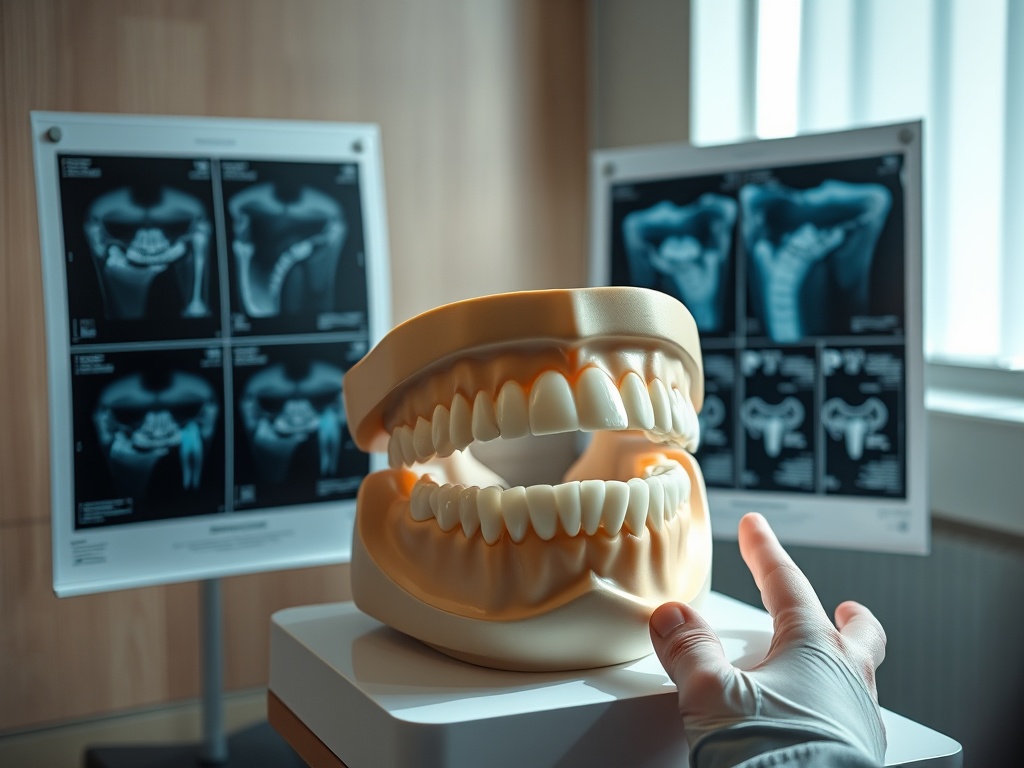
Switching dentists is reasonable when the relationship no longer supports clear, safe, and workable care. The goal is not to find a “perfect” office. It is to recognize when repeated communication problems, planning gaps, access barriers, or trust issues are getting in the way of treatment decisions you can actually follow through on.
TL;DR
- A switch may make sense when you cannot get clear answers, the office is consistently disorganized, or the care setting does not match your needs.
- Needing a second opinion is not disloyal. It is part of informed decision-making.
- The best time to switch is often before a major treatment phase begins, not after repeated frustration.
- A good transition includes records, imaging, medication lists, and a simple summary of unresolved concerns.
The causes patients usually notice first
Patients often reach the point of switching when the problem is not one bad day but a pattern: rushed explanations, inconsistent diagnoses, poor follow-up, surprise changes in treatment sequencing, repeated pain-management gaps, or an environment that does not feel accessible or respectful. Sometimes the issue is practical rather than clinical, such as impossible scheduling or constant turnover.
Another common trigger is a mismatch between the office and the case. A patient needing coordinated surgery, implants, or special-care planning may simply need a different clinical model than the current office can offer.
How to separate frustration from a real red flag
Normal dentistry includes occasional delays, changed timelines, and treatment plans that evolve as new findings appear. Red flags are different. They include being pressured into major treatment without a clear diagnosis, getting vague answers to basic questions, repeatedly feeling that the office cannot explain risks and alternatives, or sensing that cost conversations replace clinical reasoning.
If you are already deep into a major implant or restorative plan, it helps to ask for the rationale in writing or at least in plain language before deciding what to do next. That is often a cleaner first step than disappearing from care with no transfer plan.
Temporary steps versus the decision to move on
Sometimes the relationship can be repaired with one honest conversation: explain what feels unclear, ask what the office recommends next, and decide whether the response restores confidence. If it does not, the switch itself becomes the definitive solution. That is especially true when you are facing a significant decision and still feel uninformed.
Patients planning bigger work often benefit from switching before the irreversible phase begins. Topics like how much planning should come before full-arch treatment become much easier to evaluate when you trust the answers you are getting.
Red flags and decision criteria
| Sign | Might be fixable | Often a reason to switch |
|---|---|---|
| Occasional scheduling issue | Yes | Not by itself |
| Chronic inability to explain diagnosis | Sometimes | Often |
| Poor fit for disability, anxiety, or medical complexity | Rarely without change | Often |
| Pressure without clear options | No | Often |
| Persistent mismatch between promised and actual follow-up | Sometimes | Often if repeated |
How to make the switch cleaner and less stressful
Request your records, recent imaging, treatment plan summary, and medication list if relevant. Write down what still feels unresolved: unclear diagnosis, cost concern, access barrier, pain issue, or a desire for broader expertise. That gives the new office a better starting point than saying only that you “want a second opinion.”
If cost is part of the reason you are leaving, low-cost pathways such as health centers or dental schools may help. If comfort and fit are the main issue, the right office may cost more but save you from repeated failed starts.
Quick questions about When It’s Time to Switch Dentists
Could this calm down for a while and still need treatment later? Yes. Dental symptoms often fluctuate. Improvement does not always mean the underlying cause is resolved, especially with cracks, trauma, or bite-related problems.
What details help the dentist diagnose the problem faster? Explain what triggers the symptom, how long it lasts, whether it wakes you up, and whether there was trauma, dental work, or a recent change in chewing or temperature sensitivity.
What sign means I should stop monitoring and call quickly? Swelling, fever, rapid worsening, persistent bleeding, or pain that becomes more constant and harder to manage usually means the problem has moved beyond simple watchful waiting.
Before the visit, note these details about When It’s Time to Switch Dentists
A short symptom log is often more useful than trying to remember the whole story under stress. Patterns help the dentist separate a local irritation from a structural, infectious, or systemic issue.
- When the symptom started and whether it is getting better, worse, or simply changing shape.
- What triggers it most clearly: biting, temperature, pressure, dryness, eating, or time of day.
- Any recent trauma, dental work, medication change, or illness that appeared before it began.
- What you already tried at home and whether it helped only briefly or not at all.
Switching is sometimes the most responsible next step
If you keep postponing care because you do not trust the process around it, staying put is not necessarily the safer choice. A well-organized transfer can protect both your health and your decision-making.