
The most useful pressure washer spec depends on the surface, soil, water access, power source, recovery needs, operator skill, and environmental rules. Facility teams should look beyond headline PSI and evaluate flow rate, nozzle control, heat, portability, durability, and wastewater handling.
Key Takeaways
- PSI alone does not define cleaning performance; flow rate, nozzle type, heat, and technique matter.
- Match equipment to surfaces such as concrete, loading docks, exterior walls, equipment pads, and parking areas.
- Plan runoff control, lead-paint precautions, detergents, and operator training before buying or renting.
Editorial focus: Tools, Equipment & Jobsite Productivity. Search intent: Informational. Audience stage: Problem-Aware; funnel stage: Top of Funnel.
Start with the cleaning task, not the biggest number
Pressure washers are used for sidewalks, loading areas, exterior surfaces, dumpsters pads, parking structures, equipment, and seasonal cleanup. The wrong unit can damage surfaces, force slow production, or create runoff problems. Higher pressure is not automatically better. Too much pressure can etch concrete, scar wood, drive water behind cladding, or damage sealants.
Facility teams should define the soil type first: mud, algae, grease, salt residue, gum, dust, paint chips, or general grime. Grease and oil may require hot water or approved detergents. Delicate façades may require lower pressure, wider nozzles, and a different cleaning method altogether.
Specs that deserve attention
PSI describes pressure, while GPM describes water flow. Cleaning units sometimes combine the two, but real performance depends on nozzle angle, standoff distance, temperature, detergent, and operator technique. A unit with balanced pressure and flow may clean faster than a high-PSI machine with poor water volume.
Power source matters as well. Electric units can be useful for indoor or noise-sensitive areas when power and drainage are available. Gas units can offer mobility but bring fuel, ventilation, noise, and storage considerations. Hot-water units can improve oily-soil cleaning but add cost, fuel, maintenance, and safety requirements.
That same planning discipline is useful when comparing this topic with The role of variable frequency drives in modern building systems, where access, sequencing, and coordination affect the final result.
Environmental and safety planning
Runoff can carry sediment, detergents, oils, paint chips, metals, or other contaminants. EPA guidance on renovation work notes that pressure washing can be subject to containment requirements when lead-based paint rules apply, including preventing dust or debris in wastewater from leaving the work area. For additional context, see EPA guidance on pressure washing and containment.
Facilities should also check local stormwater rules, site drains, and product labels before washing. Capturing, filtering, or diverting water may be necessary. Operators need eye protection, footwear, awareness of electrical hazards, and training on nozzle force. A pressure washer is a maintenance tool, but it can injure people or damage assets when handled casually.
Buying, renting, or contracting out
Buying makes sense when cleaning is frequent, staff are trained, storage is available, and maintenance responsibility is clear. Renting can be better for seasonal work, unusual surfaces, or trial use before purchase. Contracting out may be best when wastewater recovery, hot-water equipment, lifts, traffic control, or sensitive façade cleaning is involved.
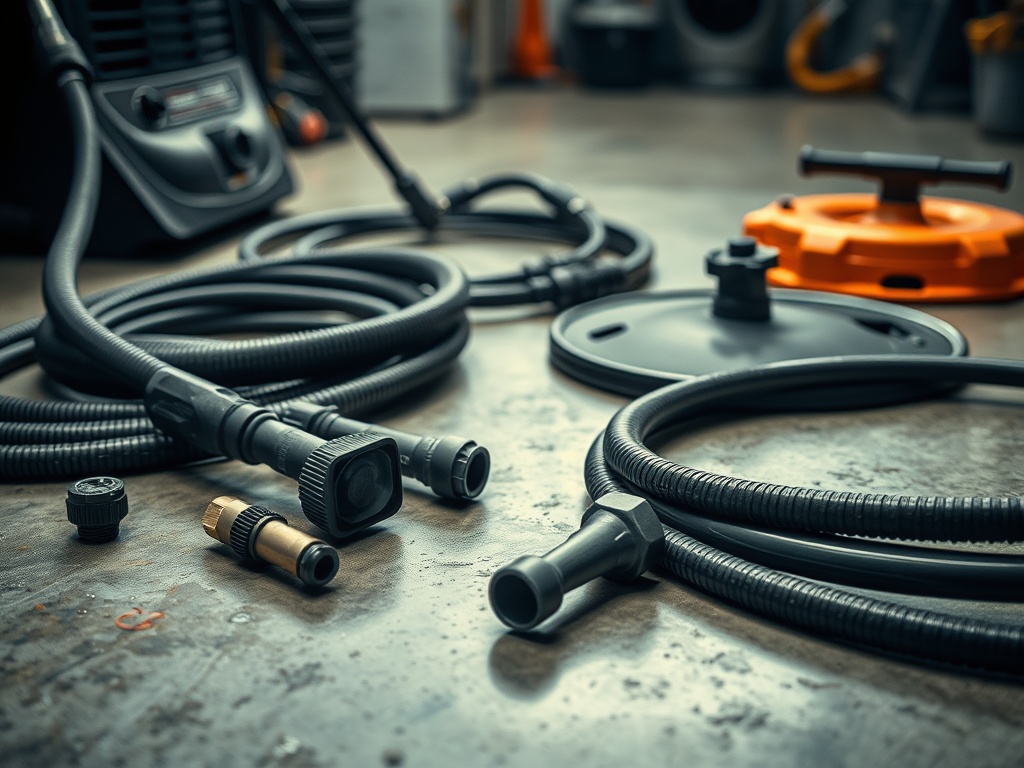
A simple procurement mistake is buying a machine without budgeting for hoses, nozzles, surface cleaners, fittings, filters, detergent systems, personal protective equipment, storage, winterization, and repairs. The support kit often determines whether the unit is used properly or left in a corner after one frustrating season.
For teams thinking about adjacent building risks, Heat stress prevention for outdoor crews in summer months adds a practical maintenance perspective without pulling the article away from its main scope.
Maintenance and storage details after purchase
Pressure washers need their own upkeep plan. Hoses wear, fittings leak, pumps require service, filters clog, nozzles erode, and winter storage can damage components if water remains in the system. A facility that buys a machine should assign responsibility for inspection and storage, not assume every user will handle it correctly.
Operator records can be simple. Note the surface cleaned, detergent used, nozzle type, any runoff controls, and damage or complaints. This record helps the team refine methods and avoid repeating a setup that harmed a surface or took too long.
Storage should protect both the machine and the facility. Fuel, detergents, batteries, hoses, and accessories need organized space. Clear storage also makes it easier to see missing parts before the next cleaning window, which is often when maintenance teams have the least time to troubleshoot.
When a lower-pressure method may be smarter
Some surfaces should not be cleaned with aggressive pressure. Older masonry, failed sealants, soft wood, painted surfaces, EIFS, and areas near openings may need low-pressure washing, soft washing, hand cleaning, or specialist review. A test patch in an inconspicuous area can prevent broad damage.
A broader construction or facilities review may also include How to plan façade restoration in occupied buildings, especially when documentation and timing influence future work.
Facility teams should also consider occupant and neighbor impact. Noise, overspray, blocked entrances, slippery surfaces, and temporary odors can affect building users. Scheduling and communication are part of good equipment use, especially around healthcare, schools, offices, retail, and multifamily properties.
Additional project note for Article 10
A practical buying process may include a demonstration on the facility’s real surfaces. Clean a small area, inspect after drying, review runoff, and ask operators how the unit handled. This reveals more than a spec sheet and can prevent overbuying or underbuying equipment. It also gives supervisors a chance to test noise, hose reach, storage needs, and how much cleanup the method creates after the washing itself is finished.
Comparison table for practical decisions
| Spec or feature | Why it matters | Facility question |
|---|---|---|
| PSI | Affects force at the surface | What surfaces could be damaged by too much pressure? |
| GPM | Influences rinsing and production speed | Is water supply and drainage adequate? |
| Hot water | Helps with oily or greasy soils | Is the added fuel, cost, and maintenance justified? |
| Wastewater recovery | Supports environmental control | Can runoff enter storm drains or sensitive areas? |
Pressure washer specification checklist
- List surfaces and soils before comparing models.
- Balance PSI, GPM, nozzle selection, and operator skill.
- Confirm water supply, drainage, and power or fuel needs.
- Check local runoff, detergent, and lead-paint requirements.
- Budget for accessories, PPE, storage, and maintenance.
- Rent or test equipment before buying for unusual tasks.
The right washer is the one that cleans without creating new problems
A pressure washer should improve facility upkeep without damaging surfaces, risking injuries, or sending contaminated runoff where it should not go. Match the machine to the work, train operators, and plan water control before the first cleaning pass.
This content is for informational and educational purposes only. It does not constitute professional engineering, legal, code-compliance, safety, or project management advice. Requirements vary by jurisdiction and project condition; consult qualified professionals for project-specific decisions.