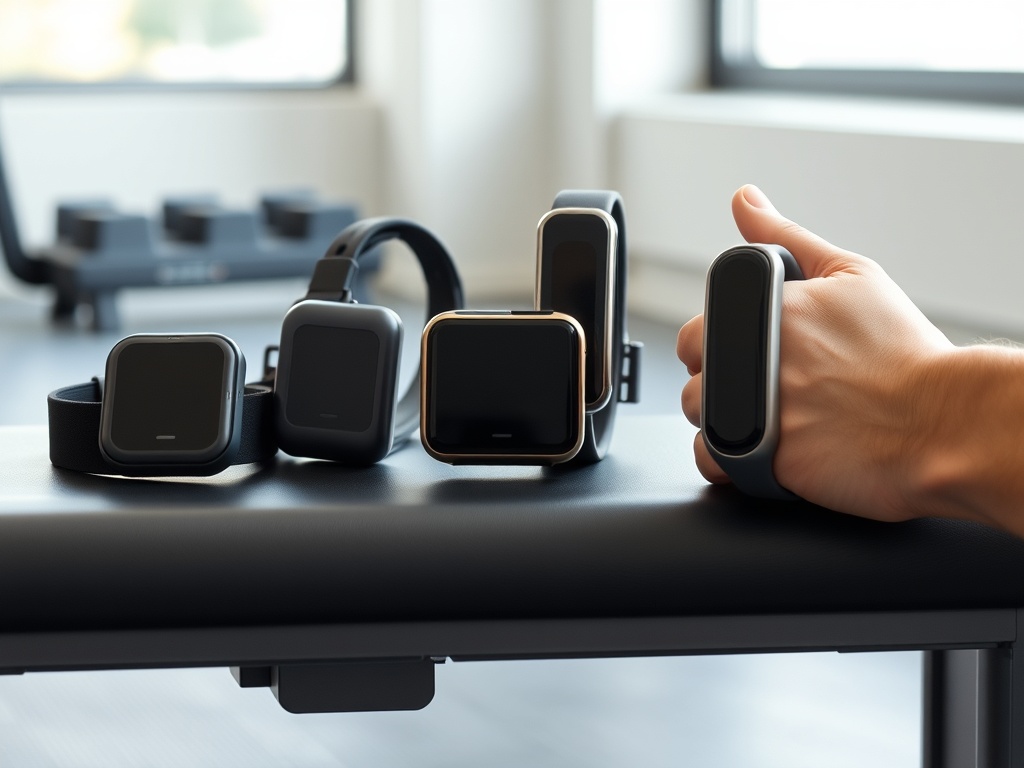
For the most reliable real-time cardio data, a Bluetooth chest strap is usually the first format to consider because it measures the heart's electrical signal close to the chest. The best choice depends on whether you prioritize proven accuracy, rechargeable power, Garmin-specific running features, or the comfort of an optical armband.
Best Picks by Use Case
- Polar H10: best all-around choice for established chest-strap accuracy, broad compatibility, dual Bluetooth, and onboard session memory.
- Garmin HRM 600: best for runners already using compatible Garmin devices and wanting advanced running data plus a rechargeable battery.
- Wahoo TRACKR HEART RATE: best rechargeable chest strap for multi-device Bluetooth and ANT+ connectivity.
- COROS Heart Rate Monitor: best for people who dislike chest straps and prefer a comfortable upper-arm optical sensor.
Why a dedicated sensor can improve cardio data
Wrist watches use optical photoplethysmography, or PPG, to estimate pulse by measuring changes in blood flow under the skin. That can work well during steady movement, but motion, fit, cold skin, tattoos, cadence, and rapid intensity changes can make wrist readings lag or become noisy.
Chest straps such as the Polar H10, Garmin HRM 600, and Wahoo TRACKR use electrical sensing at the chest. That format is commonly used when athletes want fast response during intervals and fewer motion-related artifacts. An upper-arm optical sensor such as the COROS monitor can be a useful middle ground for people who value comfort more than chest-strap placement.
No consumer heart-rate monitor is a medical diagnostic device unless specifically cleared and used for that purpose. These products are training tools. New chest pain, fainting, palpitations, or other concerning symptoms should be evaluated clinically rather than interpreted through an app graph.
Polar H10: the most versatile proven chest strap
Polar's H10 remains a strong default because it combines electrical heart-rate measurement, Bluetooth Low Energy, ANT+ connectivity, onboard recording, and a replaceable coin-cell battery. Polar lists up to 400 hours of training time, dual Bluetooth support, and memory for one session on its official H10 product page.
The H10 makes sense if you switch between a phone, sports watch, bike computer, treadmill, or gym equipment and want one strap that works across ecosystems. Onboard memory is useful when you want to record a session without keeping a phone nearby, although the exact workflow depends on the Polar app and activity.
Garmin HRM 600: best for advanced Garmin runners
Garmin launched the HRM 600 in 2025 with heart-rate and heart-rate-variability broadcasting, expanded running dynamics, activity recording without a watch, and a rechargeable battery. Garmin states up to two months of battery life per charge and notes that advanced metrics require compatible Garmin devices. See Garmin's HRM 600 announcement and feature summary for the official details.
This is the best fit for someone already invested in the Garmin ecosystem who wants more than basic beats per minute. Features such as running dynamics, pace and distance support for certain indoor activities, and watch-free recording can justify the higher cost for serious runners.
Wahoo TRACKR HEART RATE: best rechargeable multi-device chest strap
Wahoo's TRACKR HEART RATE is a chest-mounted electrical sensor with a rechargeable lithium-ion battery. Wahoo lists more than 100 hours of runtime, ANT+ connectivity, and up to three simultaneous Bluetooth connections. Its official TRACKR product page also notes compatibility with popular training apps and devices.
TRACKR is appealing if you dislike replacing coin cells and regularly connect to more than one device. A cyclist might broadcast to a bike computer while also sending data to a training app. An indoor athlete could connect to a phone and compatible fitness equipment.

COROS Heart Rate Monitor: best arm-based alternative
The COROS Heart Rate Monitor uses a multi-channel optical sensor worn on the upper arm rather than an electrical chest strap. COROS lists up to three simultaneous Bluetooth connections, 38 hours of operation, automatic wear detection, and magnetic USB charging on its official product specifications.
The upper arm can be more comfortable for people who dislike chest pressure, bra-line interference, or strap chafing. It is also easy to put on and remove. Because it is optical rather than electrical, it may respond differently during very rapid changes in intensity, but placement higher on the arm can provide a more stable signal than the top of the wrist for many users.
| Monitor | Sensor and placement | Connectivity | Power | Best fit |
|---|---|---|---|---|
| Polar H10 | Electrical chest strap | Bluetooth LE and ANT+; dual Bluetooth | Replaceable coin cell; up to 400 hours listed | Cross-platform reliability and onboard session memory |
| Garmin HRM 600 | Electrical chest strap | Garmin ecosystem plus compatible devices and apps | Rechargeable; up to 2 months listed | Garmin runners who want advanced dynamics and watch-free recording |
| Wahoo TRACKR | Electrical chest strap | ANT+ and up to 3 Bluetooth connections | Rechargeable; 100+ hours listed | Multi-device users who prefer rechargeable power |
| COROS HR Monitor | Optical upper arm | Up to 3 Bluetooth connections | Rechargeable; 38 hours listed | Comfort-focused users who dislike chest straps |
Match the monitor to the workout
For intervals, racing, and workouts where rapid heart-rate changes matter, start with a chest strap. Electrical sensing generally responds quickly and avoids some wrist-motion artifacts. For long easy runs, steady cycling, or general gym work, an upper-arm optical sensor may be accurate enough while feeling less intrusive.
For swimming, check the manufacturer's recording and transmission limitations carefully. Bluetooth does not travel through water well, so some chest straps store heart-rate data and sync later rather than transmitting continuously to a watch. Water-resistance ratings also do not automatically mean every feature works underwater.
For indoor cycling and rowing, connectivity can matter as much as sensor type. Count how many devices you need to connect at the same time and whether they use Bluetooth, ANT+, or both. A monitor with three Bluetooth channels is useful only if your apps can select and record the external sensor correctly.
Fit and maintenance determine signal quality
A good monitor can perform poorly when worn incorrectly. Chest electrodes usually need close skin contact and may read better when slightly moistened before exercise. The strap should be snug enough to stay in place without restricting breathing. Wash the fabric according to the manufacturer instructions so salt and sweat do not degrade contact.
Optical armbands also need firm, stable skin contact. Wear the sensor where the manufacturer recommends, avoid placing it over heavy clothing, and adjust tension so it does not slide during arm movement.
If a reading suddenly jumps to an implausible number while your effort is unchanged, check the sensor before changing pace. Re-pair the device, inspect battery level, clean the contacts, and confirm that the recording app is using the external sensor rather than switching back to the watch.
Use heart-rate trends as one progress measure
A heart-rate monitor becomes most useful when you compare repeatable sessions. You may see that the same pace requires less effort, that recovery between intervals improves, or that an easy pace stays easier at the same heart rate. Those trends can complement strength, body measurements, and recovery notes.
Our evening habits guide shows how sleep and next-day energy can add useful recovery context without turning training into a data-collection project.
Pick the simplest sensor that solves your problem
Choose the Polar H10 if you want a broadly compatible, established chest strap with long coin-cell life and onboard recording. Choose the Garmin HRM 600 if you use compatible Garmin devices and will benefit from running dynamics and rechargeable power. Choose Wahoo TRACKR if multi-device Bluetooth and recharging matter more than onboard analytics. Choose the COROS armband if comfort and simple Bluetooth use are your priorities.
Before buying, verify compatibility with the exact watch, phone, bike computer, app, or gym equipment you use. Reliable cardio data starts with a sensor that stays connected, fits comfortably, and gives you information you can use to make training decisions.