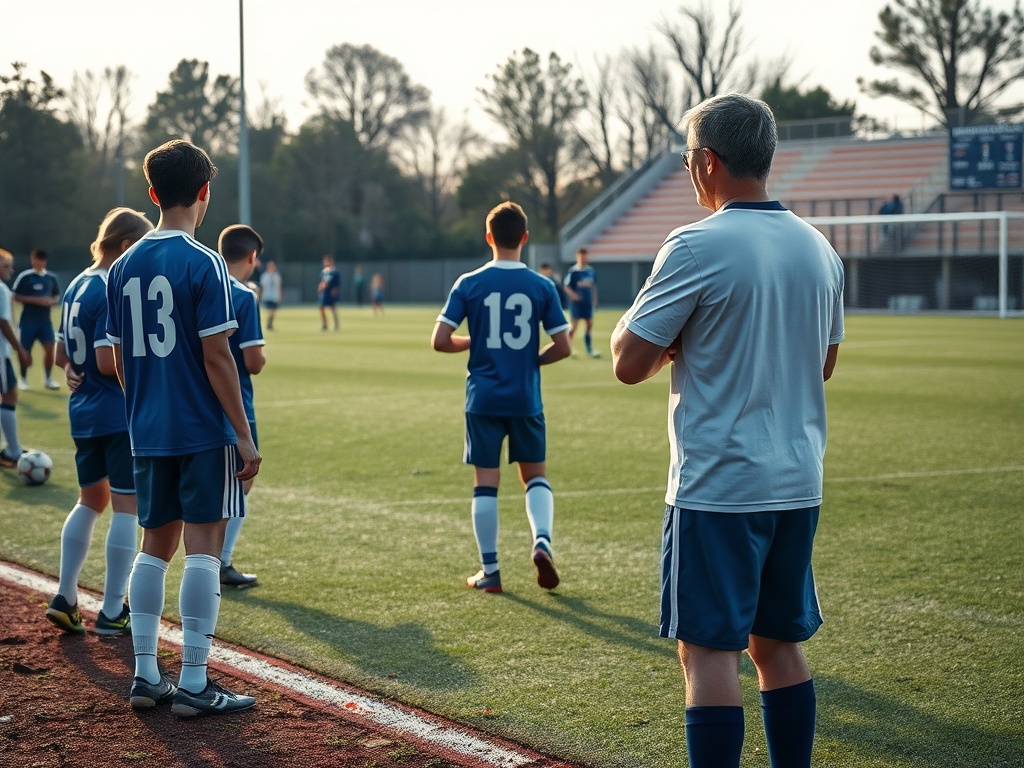
Substitution rules decide how and when a team can replace players during play. The details change by sport, but the goal is the same: keep the contest fair, organized, and safe while allowing coaches to manage fatigue, matchups, injuries, and strategy.
Key Takeaways
• Soccer usually limits the number of substitution opportunities, while basketball uses frequent dead-ball changes.
• Volleyball substitutions are tied to rotation, positions, and set limits. Rugby separates tactical substitutions from injury and front-row safety needs.
• Beginners should watch not only who comes in, but also when the change is allowed and what role the replacement fills.
Why Substitutions Matter More Than They First Appear
Substitutions look simple from the stands: one athlete leaves, another enters. In organized sport, the change affects player eligibility, timing, team shape, fatigue management, and sometimes safety. A late soccer substitute may protect a lead. A basketball coach may replace a player with foul trouble. A volleyball coach may use a defensive specialist for one rotation. A rugby replacement may be required because a front-row player cannot safely continue.
Substitution rules also protect the flow of the match. Without structure, teams could slow play, confuse officials, or gain unfair rest. That is why every sport defines who reports, where the athlete enters, whether the clock must be stopped, and how many changes are allowed. Readers who want to build sport sense should pair this topic with practical skill articles such as Pickleball Dink Drills That Actually Improve Match Performance because smart changes only matter when players understand their role after entering.
Side-by-Side Rule Snapshot
| Sport | How Changes Usually Work | Beginner Watch Point |
|---|---|---|
| Soccer | Limited substitutions and controlled entry with referee permission. | A player who exits often cannot return in adult and professional competition. |
| Basketball | Frequent dead-ball substitutions through the scorer’s table. | Lineups change quickly for fouls, matchups, and late-game situations. |
| Volleyball | Substitutions connect to rotation order, position rules, and libero procedures. | The same change can affect serving, blocking, and back-row defense. |
| Rugby | Replacements combine tactical choices with injury and specialist-position safety. | Some changes are about safe continuation, not only performance. |
Soccer Changes: Limited Windows and Match Control
Soccer has the strictest rhythm of the four sports because the clock rarely stops. Under the Laws of the Game, competition rules determine the maximum number of substitutes, commonly up to five in official competitions, and the change happens with the referee’s permission. The official rules are summarized in IFAB Law 3 on players and substitutes, which explains the player and substitute framework used internationally.
The practical effect is that soccer substitutions often carry more strategic weight. Coaches may wait until fatigue opens space, replace a player on a yellow card, add height for set pieces, or bring on a forward when chasing a goal. A common beginner misunderstanding is thinking a substituted player can always return. In many adult and professional soccer competitions, once a player is substituted out, that player is done for the match. Some youth and recreational leagues use re-entry rules, so the competition rules matter.
Basketball Changes: Fast, Frequent, and Matchup-Driven
Basketball is built for frequent substitutions because stoppages occur often. A substitute reports to the scorer’s table, waits for a dead-ball opportunity, and enters after being beckoned in. The NBA Rule No. 3 on substitutes page explains the reporting requirement and the scorer’s role in the process.
Basketball changes are often about short-term matchups. A coach may add a shooter, improve ball handling against pressure, protect a player from foul trouble, or use a defensive lineup late in the game. Because athletes can usually re-enter, basketball substitutions are less final than soccer changes. The trade-off is communication: players must know the play call, defensive coverage, and inbound responsibilities immediately.
Volleyball Changes: Rotation Makes Everything More Specific
Volleyball substitutions are closely tied to rotation order. A player usually replaces another player in a specific position and, depending on the rule set, must follow restrictions when returning. Libero rules add another layer because the libero can replace back-row players under special procedures. USA Volleyball publishes updated rulebook materials through USA Volleyball rulebook resources, which is useful because local, school, college, and international rules can differ.
For new fans, the hardest part is seeing the connection between a substitution and the next serve rotation. A coach may swap in a stronger blocker, serving specialist, or back-row defender. That change can be excellent for one matchup but costly if it disrupts communication. This is why gear, warm-up habits, and bench readiness matter; a player who is not physically prepared may struggle after a sudden call, just as poorly maintained gear can affect confidence, a point connected to How to Wash, Store, and Maintain Sports Gear So It Lasts Longer.
Rugby Replacements: Strategy Meets Player Safety
Rugby uses replacements, but safety has a stronger presence than in many team sports. Front-row roles require trained players because scrums can be dangerous when untrained athletes are placed there. World Rugby’s regulations describe how replacements and substitutes must be managed around match control and official permission through World Rugby regulations.
In practical terms, rugby coaches balance fresh legs, contact load, specialist positions, and injury response. A tactical replacement may change tempo. An injury replacement may be necessary because the athlete cannot safely continue. Beginners should avoid assuming every replacement is a coaching opinion on performance. Sometimes it is medical, sometimes tactical, and sometimes required by the laws or competition protocols.
Common Misreads From New Fans
New fans often treat every substitution as a dramatic statement. In reality, many changes are routine. Coaches manage minutes, positions, fouls, rotation, weather, and the next phase of play. Another mistake is comparing substitution frequency across sports without considering clock structure. Basketball encourages frequent changes because the game repeatedly stops. Soccer changes are more limited because constant stoppages would damage the game’s flow.
Officials also have a role. Substitutions require permission, reporting, and proper entry. When benches, parents, or fans pressure officials during a change, the match can become harder to manage. That is why the behavioral principles in How to Handle Aggressive Parents, Players, or Fans as an Official matter: clear process protects both the athletes and the officials.
A Smarter Way to Watch the Bench
The next time a match is on, watch the bench before the substitute enters. Look for who warms up, who receives instructions, whether the change follows a timeout, and how the team shape changes after the new player comes in. That small habit turns substitutions from background noise into one of the easiest ways to understand coaching decisions.
For players, the lesson is simple: be ready before your name is called. Know your role, stay warm, listen to the tactical cue, and enter through the proper procedure. A substitution is not just a swap. It is a controlled handoff of responsibility.
Bench Readiness Checklist
Athletes who may enter from the bench should know three things before the change happens: the position or role they are taking, the immediate tactical instruction, and the restart situation. That checklist is simple, but it prevents rushed mistakes. In stop-start sports, the player may have only seconds to enter. In flowing sports, the player may need to understand the whole match picture before stepping on.