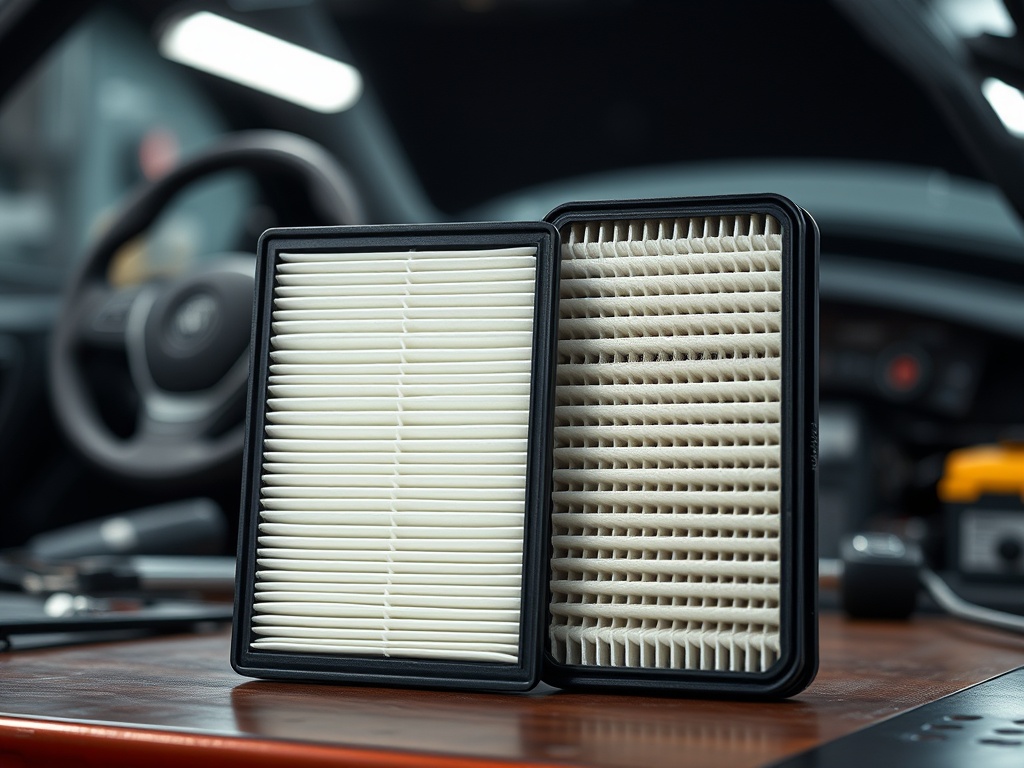
A cabin air filter cleans air entering the passenger compartment, while an engine air filter cleans air entering the engine for combustion. They are both filters, but they protect different systems, cause different symptoms when clogged, and should not be diagnosed as the same maintenance item.
Filter clarity box: Bad cabin airflow, musty odors, and dusty vents point toward the cabin filter or HVAC system. Poor acceleration, reduced efficiency, or engine-performance concerns may point toward the engine air filter or a broader intake issue.
What the cabin air filter does
The cabin air filter sits in the heating, ventilation, and air-conditioning path. Its job is to trap dust, pollen, debris, and sometimes odors before air reaches the cabin. Some filters include activated carbon layers for odor control, while others focus mainly on particles. A clogged cabin filter can reduce airflow through vents and make the blower work harder.
Car Care Council reminds drivers that cabin air filters and engine air filters should be inspected and changed regularly, especially when smoke, dust, or debris are concerns Car Care Council. That advice is general, so always check your owner’s manual for vehicle-specific intervals.
What the engine air filter does
The engine air filter protects the engine from dirt and debris entering the intake. The engine needs clean air mixed with fuel for combustion. A clogged filter can restrict airflow. On modern vehicles, sensors and engine controls may compensate to a point, so symptoms are not always dramatic. Still, a neglected filter can contribute to poor performance, drivability complaints, or contamination in the intake tract.
This is where filter quality and fit matter. A filter that is the wrong size, poorly sealed, or incorrectly installed can allow unfiltered air past the element. That is more serious than simply leaving an old filter in place.
Comparison table: symptoms and service logic
| Filter | Protects | Common symptoms when dirty | DIY difficulty |
|---|---|---|---|
| Cabin air filter | Cabin air and HVAC airflow | Weak vent airflow, dusty smell, musty odor, fogging complaints | Often easy, but access varies |
| Engine air filter | Engine intake system | Dirty filter element, possible poor acceleration, reduced performance, intake debris risk | Usually easy, but sealing matters |
How replacement timing differs
Cabin filter life depends heavily on environment. Dusty roads, wildfire smoke, pollen seasons, pets, construction zones, and heavy traffic can shorten its useful life. Engine air filter life depends on intake design, driving environment, and mileage. A rural gravel-road driver may need replacement sooner than a highway commuter.
Do not replace filters only because a quick visual check shows some discoloration. Filters are meant to collect debris. The decision should consider restriction, age, environment, manufacturer guidance, and symptoms. A service due light may remind you of scheduled maintenance, but it usually will not diagnose filter condition by itself. For context, read what a service due light usually means.
When DIY replacement works
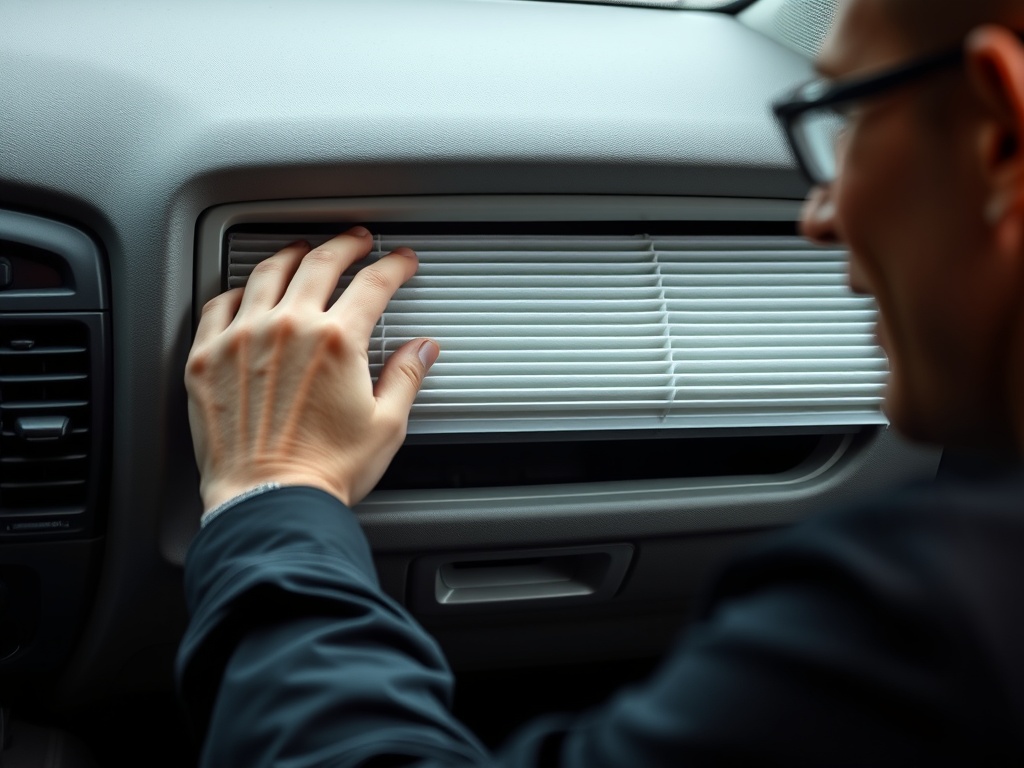
Many cabin air filters are behind the glove box and can be replaced with basic care. Many engine air filters are in an airbox secured by clips or screws. DIY is reasonable if you can access the filter without forcing plastic parts, install the new filter in the correct direction, and close the housing properly.
Common DIY mistakes include bending the cabin filter, installing it backward, leaving leaves inside the filter tray, failing to seat the engine airbox, pinching a seal, or dropping debris into the intake. Those errors can create symptoms that look like a bad part when the real problem is installation.
When professional service is smarter
Professional service is smarter when the cabin filter is buried behind trim, the HVAC system smells moldy after replacement, water is entering the cabin, the blower is noisy, or airflow is still weak. For the engine filter, get help if clips are broken, the intake duct is cracked, the airbox is damaged, or performance symptoms remain after replacement.
Filters can also intersect with used-car inspections. A filthy cabin filter may suggest neglect, while an engine airbox full of debris may point to poor maintenance or harsh operating conditions. A filter check belongs on a pre-purchase car inspection checklist, especially for vehicles used in dusty regions.
Cost and value without made-up numbers
Filter prices vary by vehicle, supplier, and filter design, so avoid assuming a universal cost. The value is usually in prevention and comfort. A cabin filter supports airflow and cabin air quality. An engine filter protects the intake path. Neither is glamorous, but both are low-complexity maintenance items compared with the systems they protect.
If a shop recommends both filters, ask to see the old filters and the replacement part type. That is not distrust; it is normal maintenance transparency. If parts quality is part of your decision, the broader discussion of OEM, aftermarket, and used parts can help you ask better questions.
Replace the right filter for the right symptom
Cabin and engine air filters are easy to confuse because the names sound similar. Keep the jobs separate: one protects people and HVAC airflow, the other protects the engine’s intake. Match the symptom to the system, check the manual, and install the filter correctly.