OEM, aftermarket, and used parts can all be reasonable repair choices, but they carry different trade-offs in fit, cost, availability, warranty handling, and long-term risk. The best choice depends on the part type, the vehicle’s age, safety relevance, insurance terms, and how long you plan to keep the vehicle.
Parts decision snapshot: OEM parts prioritize exact manufacturer design. Aftermarket parts may lower cost and improve availability, but quality varies by supplier. Used parts can be practical for body panels and non-wear components, yet they need careful condition checks and clear warranty expectations.
What each option really means
OEM means original equipment manufacturer. In repair conversations, it usually refers to a new part made by the vehicle manufacturer or its approved supplier for that specific model. An OEM fender, lamp, sensor bracket, or mechanical component is designed to match the vehicle’s original specifications.
Aftermarket parts are made by companies outside the original vehicle manufacturer. Some are excellent, some are basic replacements, and some are not a wise match for sensitive systems. Aftermarket parts may be certified by independent programs, but certification is not universal across all categories.
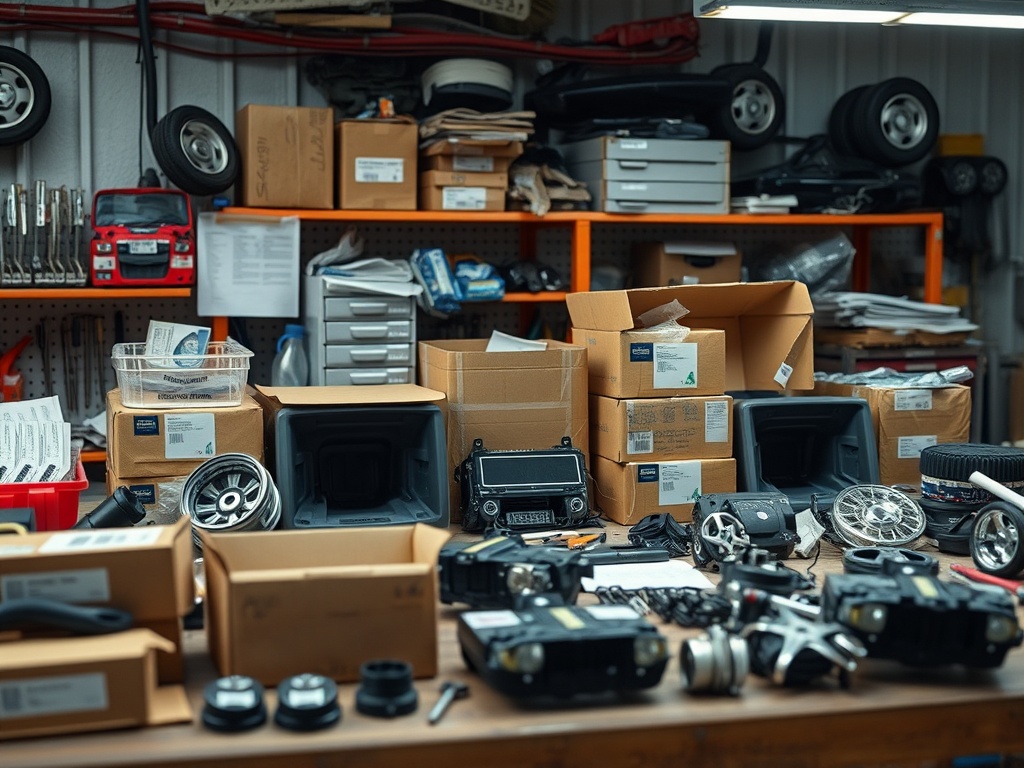
Used parts, sometimes called recycled or salvage parts, come from another vehicle. They can make sense for doors, trunk lids, mirrors, wheels, interior trim, and older vehicle components that are expensive or no longer easy to source new. They require inspection for damage, corrosion, previous repair, and compatibility.
If hail or collision repairs are part of the same decision, the article on hail damage repair beyond dent removal is useful because it explains why panel condition and paint integrity matter before choosing a repair path.
Comparison table: cost, risk, and fit
| Part option | Typical strength | Main caution | Best-fit situations |
|---|---|---|---|
| OEM new | Predictable fit and intended design | Often higher price and possible delays | Safety systems, leased vehicles, late-model repairs, warranty-sensitive work |
| Aftermarket new | Better price or availability in many cases | Quality and fit can vary | Older vehicles, cosmetic parts, common mechanical parts from reputable suppliers |
| Used/recycled | Lower cost and less waste | Condition, mileage, and history may be unclear | Body panels, trim, discontinued parts, value-focused repairs |

Where the risk changes by part category
A bumper cover, mirror glass, and cabin trim do not carry the same risk as a camera bracket, airbag component, structural rail, or radar mounting area. Parts that affect crash performance, restraint systems, ADAS accuracy, steering, braking, or emissions should be judged more conservatively. In many cases, the vehicle manufacturer’s repair information should guide the part choice and installation method.
For appearance items, the trade-off is usually fit, finish, paint match, and durability. For mechanical items, the question becomes service life and compatibility. For electronic modules and sensors, programming, calibration, and software compatibility become part of the total cost. The National Highway Traffic Safety Administration’s recall database is also worth checking when a repair involves safety-related components, because recalls are tied to safety risks or noncompliance NHTSA recalls.
Warranty expectations without guessing
Do not assume every part warranty covers labor, paint, diagnostics, programming, or replacement time. A parts warranty may cover only the part itself. A shop warranty may cover workmanship. A manufacturer warranty may not apply if a non-approved part changes the system or repair method. Insurance estimates may also specify a type of part, but state rules and policy language can vary.
The safest approach is to ask three questions before approving the repair: What part type is being used? Who warranties the part and for how long? If the part fails, who pays for labor, paint, recalibration, towing, or rental time? If the answer is vague, ask for the estimate to be clarified in writing.
How downtime can change the “cheapest” choice
A lower-cost part is not always cheaper if it causes a delay, needs modification, or fails inspection. OEM parts can sometimes take longer to arrive. Aftermarket parts may arrive quickly but may need extra test-fitting or adjustment. Used parts can be fast if available locally, yet condition problems may not appear until the part is unpacked or prepped for paint.
Downtime matters most when the vehicle is your daily driver, work truck, rideshare vehicle, or family transport. A middle-funnel decision should look at total cost, not invoice price alone. That includes rental days, return visits, calibration, paint blending, and potential resale impact.
A practical quote-review framework
When reviewing quotes, separate the estimate into categories: cosmetic panels, safety-related components, mechanical wear parts, electronics, and labor. Then assign risk. Cosmetic parts can usually tolerate more flexibility. Safety and electronic parts deserve stronger documentation. Used parts should include VIN compatibility where relevant, condition notes, and return terms.
Ask the shop to explain why a specific part type was selected. A good answer might mention manufacturer repair information, vehicle age, insurance requirements, supply availability, calibration needs, corrosion risk, or long-term value. A weak answer sounds like “that is what we always use.” If sustainability matters, used parts and repair-first approaches can be smart, but only when they do not compromise fit, safety, or durability. That balance is covered in more detail in sustainable repair practices in modern shops.
Part choices for different driver profiles
A late-model owner planning to keep the vehicle under warranty may lean toward OEM for safety systems, structure, and electronics. A driver maintaining an older commuter car may choose quality aftermarket parts for routine mechanical needs. A buyer restoring value after cosmetic damage may choose used OEM panels if they are clean, straight, and compatible.
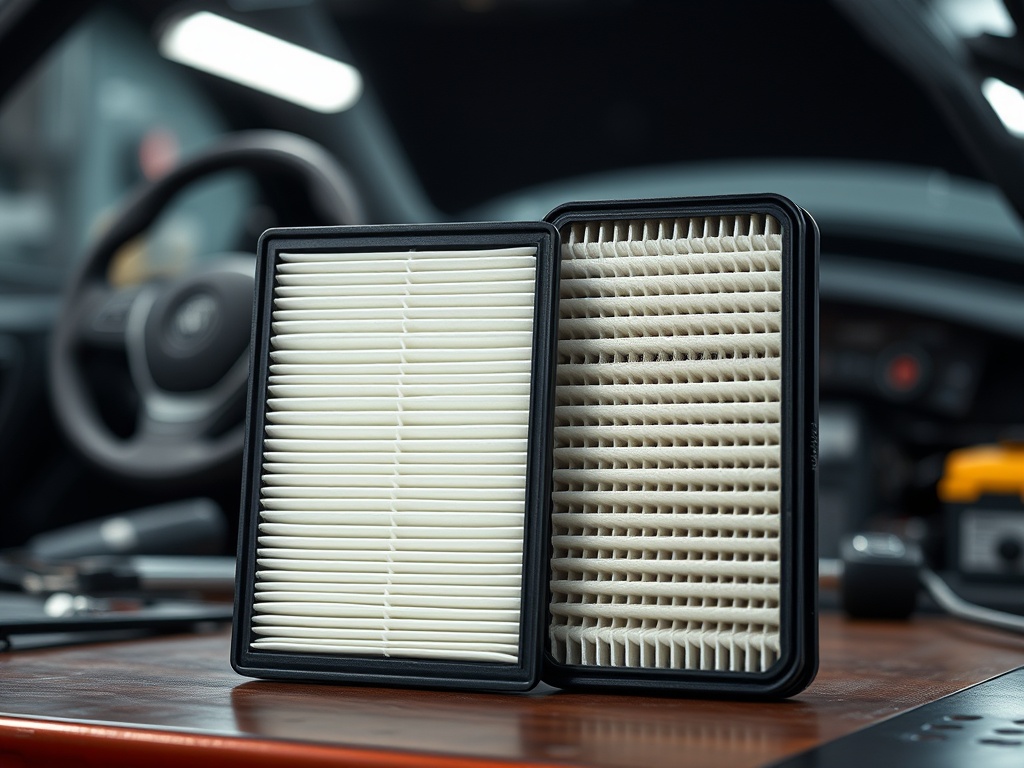
Filter and maintenance decisions are a smaller version of the same idea. The difference between a cabin air filter and an engine air filter, for example, is not just price; each part protects a different system. That distinction is explained in cabin air filter vs engine air filter.
Choose the part path you can defend later
The right part is the one that matches the repair goal, risk level, and documentation needs. For high-risk systems, use manufacturer guidance and written warranty terms. For cosmetic and value-focused work, compare fit, availability, and total downtime. A clear estimate should make the trade-offs visible before the vehicle is apart.