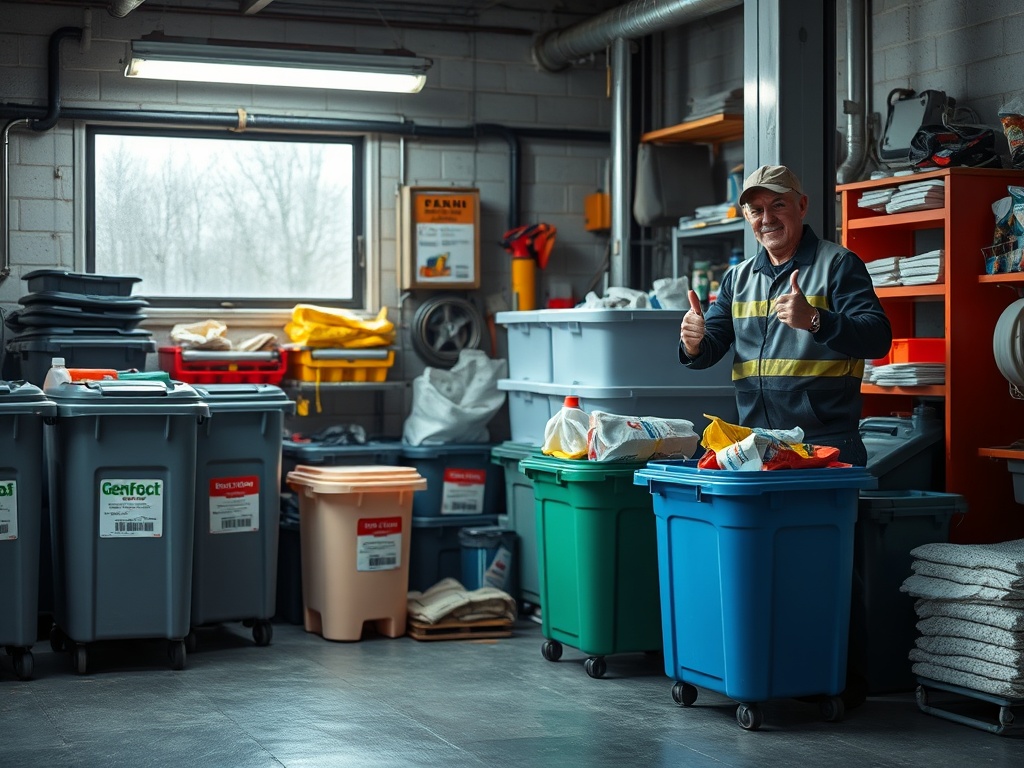
Sustainable repair practices in modern shops focus on reducing waste, repairing before replacing when safe, managing fluids responsibly, using energy and materials efficiently, and documenting decisions clearly. The goal is not to make every repair “green” at any cost; it is to make responsible choices without compromising safety, durability, or manufacturer requirements.
Sustainability lens: A good repair can be both practical and lower-waste when the method fits the vehicle. The sustainable choice is the one that protects people, the vehicle, and the environment together.
Repair-first does not mean shortcut-first
One of the clearest sustainable practices is repairing a component instead of replacing it when repair is safe, durable, and manufacturer-approved. Paintless dent repair can preserve original paint on clean dents. Plastic bumper repair can save a cover from replacement when damage is minor. Headlight restoration can extend service life when the lens is restorable and lighting performance is acceptable.
But repair-first has limits. Structural parts, restraint components, ADAS brackets, severely corroded panels, and cracked safety-critical parts may need replacement. Sustainability should never be used as an excuse to ignore repair procedures. The safer question is, “Can this part be restored to a reliable condition?” not “Can we avoid ordering a new one?”
For a practical example, hail damage may be repaired with PDR when the finish is intact, but cracked paint or stretched metal changes the plan. That distinction is covered in hail damage repair that needs more than dent removal.
Waste handling is a core shop practice
Modern auto service creates used oil, filters, coolant, solvents, batteries, tires, brake fluid, absorbents, and sometimes paint-related waste. Handling those materials properly is not optional. The U.S. Environmental Protection Agency notes that service stations, fleet maintenance facilities, and quick-lube shops generate and handle used oil, with standards covering storage, spills, leaks, and recordkeeping EPA used oil guidance.
A sustainable shop should have labeled containers, closed storage, spill response materials, waste pickup documentation, and staff training. Customers may never see this behind-the-scenes work, but it is one of the most meaningful ways a shop reduces environmental harm.

Parts choices can reduce waste, but context matters
Used, remanufactured, rebuilt, or refurbished parts can reduce material demand and keep usable components in service. They can be smart for some alternators, starters, wheels, body panels, interior trim, and older vehicle parts. The risk changes when parts affect safety systems, electronics, structure, calibration, or warranty.
That is why parts decisions need written clarity. Customers should know whether the estimate uses OEM, aftermarket, used, remanufactured, or rebuilt components. The trade-offs are explained in OEM vs aftermarket vs used parts, which is a useful companion to sustainability-focused repair planning.
Smarter diagnostics reduce unnecessary replacement
Guessing is wasteful. A shop that replaces parts until a symptom disappears wastes money, parts, and time. Better diagnostics use scan data, visual inspection, service information, test drives, fluid checks, electrical testing, and sometimes lab reports.
For example, an engine concern may not require immediate part replacement if a used oil analysis points to contamination or interval issues first. The guide on used oil analysis reports shows how data can support more focused maintenance decisions.
Energy and material efficiency in the shop
Sustainability also shows up in workflow. Efficient lighting, well-maintained compressors, proper booth operation, accurate paint mixing, waterborne paint systems where appropriate, reusable protective materials, and careful inventory management can reduce waste. Even digital estimates and service records can reduce paper use and improve accountability.
These practices are not automatically visible to the customer, so it is reasonable to ask how the shop manages fluids, batteries, tires, parts returns, paint waste, and replaced components. A trustworthy shop should be able to explain the process without vague slogans.
Common greenwashing signs
Be cautious when a shop uses environmental claims without specifics. “Eco-friendly repair” means little unless it is tied to actual practices such as recycling used oil, repairing qualified parts, reducing refinishing waste, using recycled parts appropriately, or following documented waste procedures. Also be cautious when sustainability is used to justify a repair that conflicts with manufacturer guidance.
A credible shop will be honest about trade-offs. Sometimes replacing a part is safer. Sometimes repairing is better. Sometimes a used OEM panel is practical. Sometimes a new calibrated component is the correct choice. Sustainability works best when it is paired with technical discipline.
How customers can support better practices
Ask for repair options, not only one price. Ask what can be repaired, what must be replaced, and why. Keep service records. Approve diagnostics before parts replacement. Return for follow-up checks when recommended. Dispose of DIY fluids, batteries, and tires through proper channels instead of household trash or storm drains.
Customers also help by choosing maintenance over crisis repair. A neglected vehicle often creates more waste because failures damage nearby components. Preventive maintenance, inspections, and clean records can extend vehicle life, which is one of the most sustainable choices available.
Sustainable repair should still feel practical
The best modern shops do not treat sustainability as decoration. They build it into diagnostics, repair planning, parts selection, waste handling, and documentation. The result should be a safer repair, less waste, and a clearer explanation of why each decision was made.