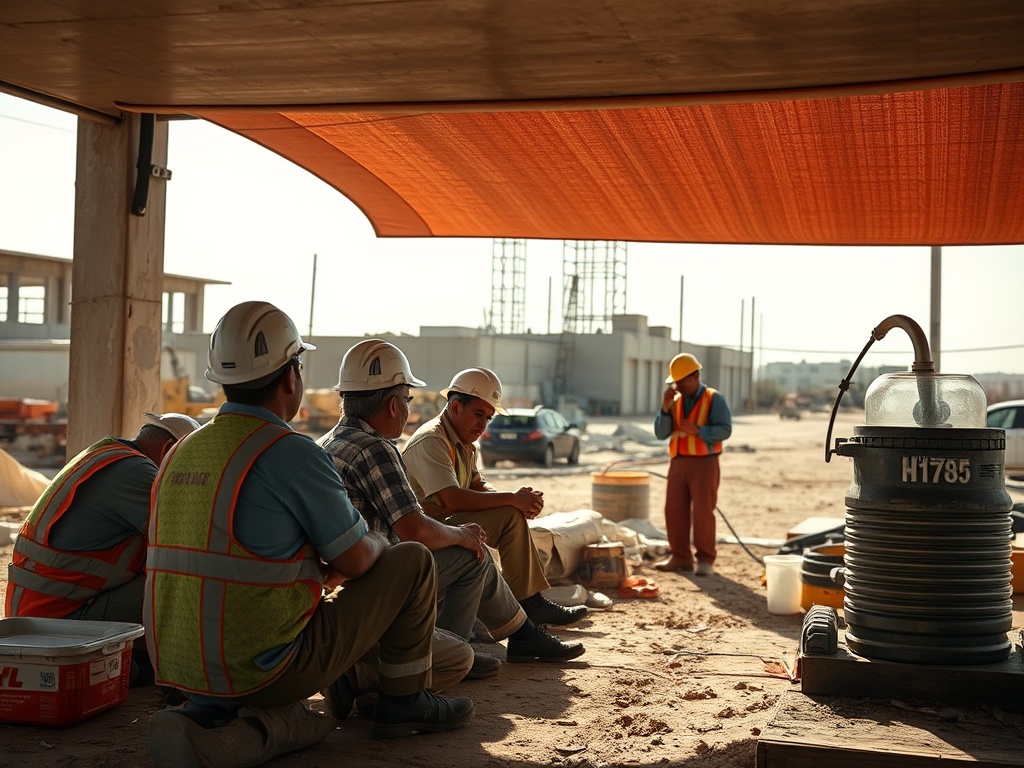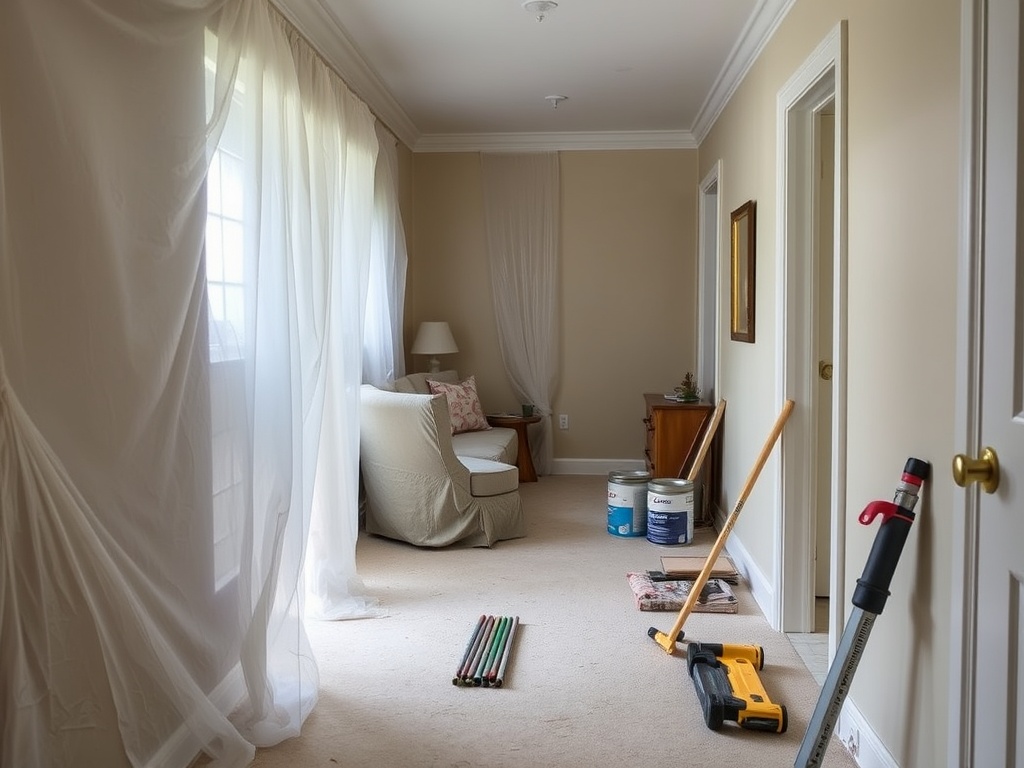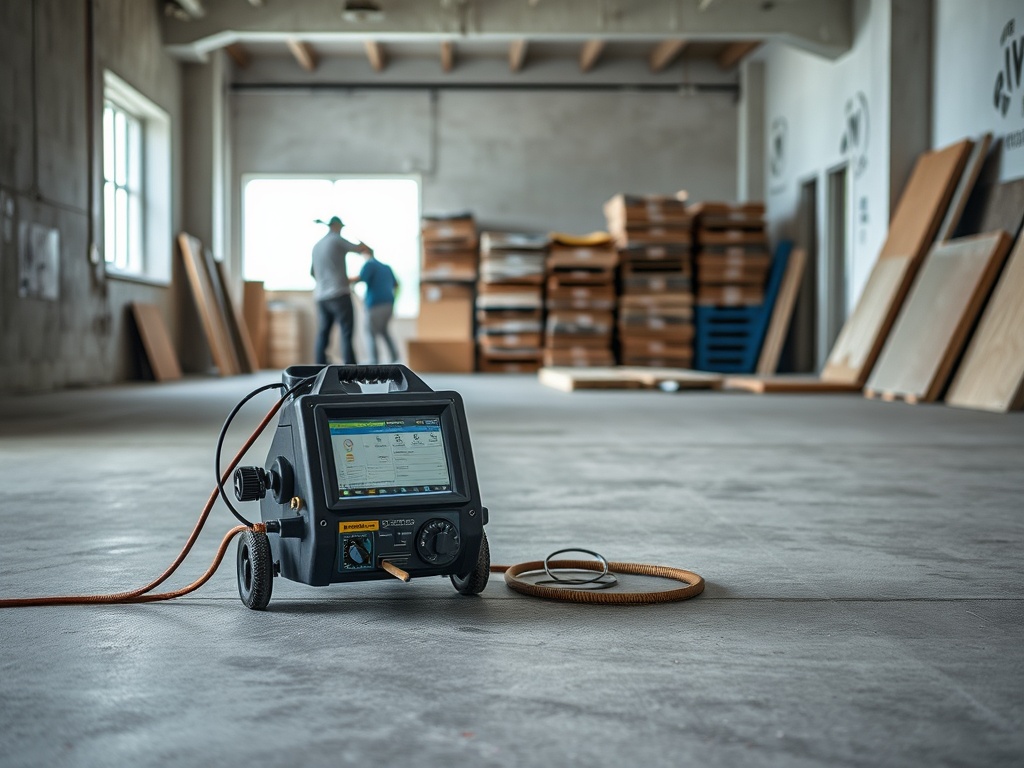
Moisture affects flooring adhesives by changing bond strength, cure behavior, alkalinity exposure, and finish readiness. Flooring schedules should include substrate testing, manufacturer limits, acclimation, environmental control, and contingency time before installation begins.
Key Takeaways
- Do not assume a slab is ready because it looks dry or has aged for a certain number of days.
- Check the flooring, adhesive, patch, and substrate requirements together because the strictest limit often controls the schedule.
- Protect the schedule by testing early, documenting conditions, and avoiding product substitutions that change moisture limits.
Editorial focus: Interior Finishes, Space Upgrades & Repairs. Search intent: Commercial Investigation. Audience stage: Problem-Aware; funnel stage: Middle of Funnel.
Moisture problems are often schedule problems first
Flooring failure is rarely just a finish issue. Adhesive softening, bubbles, staining, cupping, open seams, odor, and bond loss can all trace back to slab moisture, vapor drive, cleaning residue, alkalinity, temperature, humidity, or incompatible products. These conditions become more expensive when discovered after finish materials arrive or after other trades have built over the area.
ASTM F710 addresses preparation of concrete floors for resilient flooring and states that floors should be dry, clean, smooth, structurally sound, and free of materials that may prevent adhesive bonding. It also points teams back to manufacturer instructions for moisture testing and limits, which is critical because different assemblies have different tolerances. For additional context, see ASTM F710 overview.
Why “dry enough” is not a visual judgment
Concrete can appear dry at the surface while still carrying internal moisture. Moisture may also move because of vapor pressure, missing vapor retarders, wet adjacent spaces, HVAC shutdowns, or cleaning practices. Adhesives and floor coverings can trap or react with that moisture after installation.
Environmental control matters. If HVAC is not operating in a stable range, test results and adhesive behavior may not represent normal building conditions. Flooring products often need acclimation in the space, and adhesives may require temperature and humidity ranges during application and cure. A compressed schedule that ignores these requirements may appear efficient until rework begins.
That same planning discipline is useful when comparing this topic with Mass timber construction: opportunities and constraints, where access, sequencing, and coordination affect the final result.
Testing and documentation protect the project
A responsible flooring plan identifies the required tests, who performs them, when they are performed, where test locations are placed, and what product limits apply. Common project documents should also record ambient temperature, relative humidity, slab conditions, patching products, primers, and cleaning methods.
Owners should be cautious about last-minute substitutions. A different adhesive, underlayment, moisture mitigation system, or flooring type can change testing limits and cure requirements. If a substitution is necessary, the team should obtain written compatibility guidance rather than relying on verbal assurances.
How moisture changes finish sequencing
Moisture planning affects more than the flooring contractor. Painting, millwork, equipment setting, base installation, furniture delivery, and turnover cleaning may all depend on when floors can be installed and protected. On occupied renovations, phasing must also account for odor control, temporary paths, noise, and after-hours cure periods.
EPA indoor air resources note that wet building materials can create unhealthy indoor conditions, and ASHRAE has also addressed indoor dampness and mold as a public-interest issue. Flooring work should therefore be treated as part of moisture management, not as a late decorative step. For additional context, see EPA indoor air quality guidance and ASHRAE dampness position document.
For teams thinking about adjacent building risks, Custodian observations that can help technical teams catch failures early adds a practical maintenance perspective without pulling the article away from its main scope.
Contract language that reduces flooring disputes
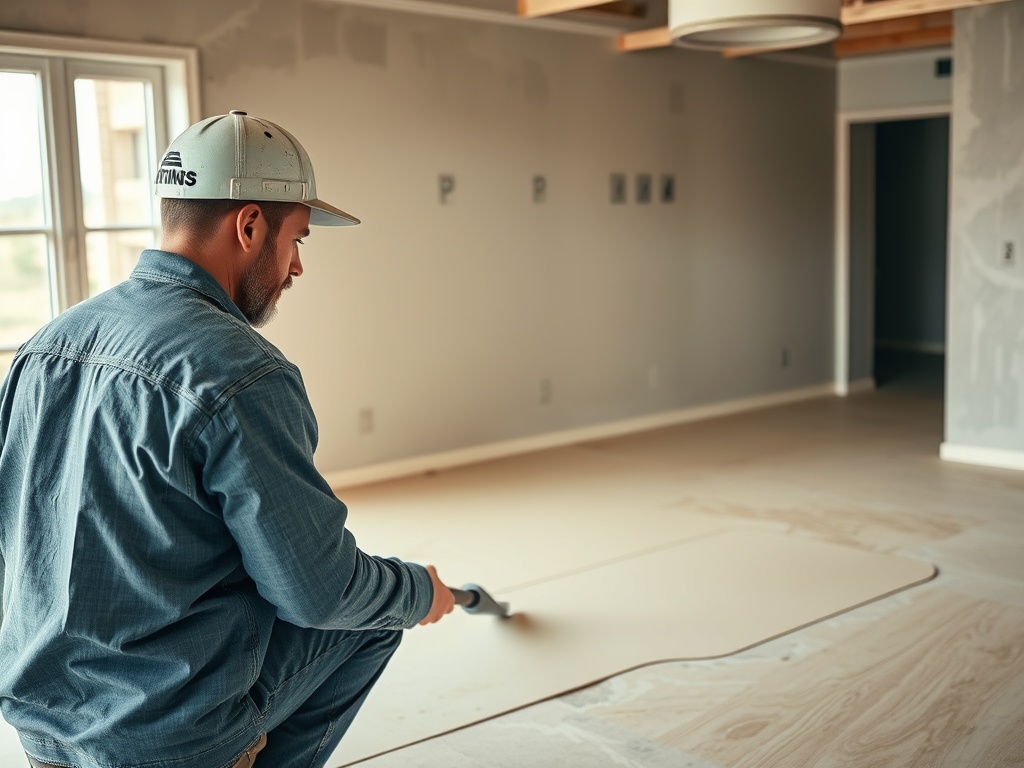
Flooring specifications should state who is responsible for testing, how results are shared, what happens when results exceed limits, and whether mitigation is included or treated as a separate authorization. Ambiguity can create conflict when the schedule is already tight and finish materials are waiting.
Meeting minutes should record environmental conditions before installation begins. If temporary HVAC, open windows, wet trades, or recent cleaning affect the space, those details belong in the project record. This is not paperwork for its own sake; it protects the owner, installer, and design team by showing what conditions existed when decisions were made.
The finish schedule should also include protection after installation. Rolling loads, early furniture placement, aggressive cleaning, and other trades working over new flooring can damage the bond or appearance. A floor is not truly complete until it has cured, been protected, and been turned over with maintenance instructions.
Questions owners should ask before approving installation
Before approving installation, owners should ask three plain questions: Were the required tests performed, are the results within the written limits for the chosen products, and are current site conditions similar to the tested conditions? If any answer is unclear, the project may be moving faster than the documentation supports.
A broader construction or facilities review may also include Whole-home renovation sequencing for occupied houses, especially when documentation and timing influence future work.
Owners should also ask how the flooring will be protected after installation. A new floor can be damaged by rolling lifts, stored materials, wet cleaning, or trades returning for ceiling and wall work. Protection should be compatible with the flooring and should not trap moisture or leave residue.
Additional project note for Article 5
For phased renovations, teams should avoid assuming one test area represents every room. Slab history, vapor retarders, prior flooring, sun exposure, exterior walls, plumbing locations, and below-grade conditions can vary across the same building. Testing should reflect the actual installation areas and risk profile.
Comparison table for practical decisions
| Moisture factor | How it affects flooring | Planning response |
|---|---|---|
| Slab moisture | Can interfere with adhesive bond or cause finish defects. | Test according to project and manufacturer requirements. |
| Ambient conditions | Temperature and humidity affect acclimation and curing. | Stabilize HVAC before final testing and installation. |
| Surface contaminants | Curing compounds, dust, oils, and residues can block bond. | Prepare and clean substrate using approved methods. |
| Product substitutions | Different systems have different moisture limits. | Reconfirm written compatibility before changes. |
Flooring moisture readiness checklist
- Collect manufacturer instructions for flooring, adhesive, patch, and primer.
- Schedule moisture testing before the finish window becomes critical.
- Confirm HVAC operation and environmental conditions.
- Document test locations, dates, results, and product limits.
- Protect finished flooring from trade damage and premature cleaning.
- Build contingency time for mitigation if results exceed limits.
A better floor schedule starts below the finish
Flooring quality depends on what happens before the first plank, tile, sheet, or coating is installed. Treat moisture testing, surface preparation, environmental control, and documentation as core schedule items. For disputes, unusual slab conditions, or high-risk projects, consult qualified flooring, building-envelope, or engineering professionals before proceeding.
This content is for informational and educational purposes only. It does not constitute professional engineering, legal, code-compliance, safety, or project management advice. Requirements vary by jurisdiction and project condition; consult qualified professionals for project-specific decisions.