Custodians often see subtle building changes before alarms or work orders appear. Their observations about smells, stains, sounds, surfaces, doors, drains, and occupant behavior can help maintenance teams catch early signs of leaks, HVAC issues, pest activity, safety hazards, and equipment decline.
Key Takeaways
- Turn daily cleaning routes into a practical sensing network without asking custodians to diagnose technical failures.
- Use simple categories such as water, odor, sound, temperature, surface damage, access, and safety.
- Close the feedback loop so custodians know their reports matter and technical teams get clearer clues.
Editorial focus: Facilities Management & Routine Maintenance. Search intent: Informational. Audience stage: Problem-Aware; funnel stage: Top of Funnel.
Why custodial routes reveal hidden patterns
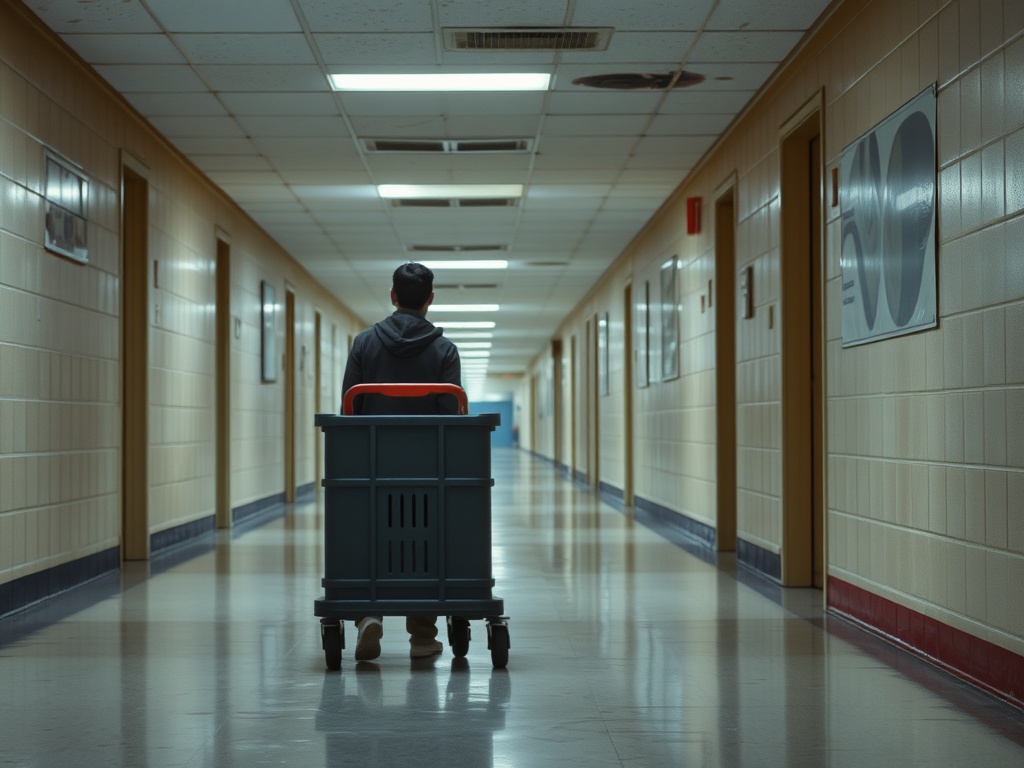
Custodians move through restrooms, corridors, offices, mechanical-adjacent spaces, entrances, stairwells, classrooms, lobbies, and service areas when many occupants are gone. They notice recurring trash overflow, condensation, sticky doors, unusual smells, ceiling stains, puddles, pest droppings, warm rooms, and noisy equipment. These details may look minor alone but become valuable when they repeat.
Operations and maintenance guidance from WBDG frames O&M as a full life-cycle responsibility rather than a set of isolated repairs. That idea supports a broader facilities culture where cleaning staff, building engineers, security, and managers share observations instead of working in separate lanes. For additional context, see WBDG sustainable O&M practices.
What custodians should report without becoming technicians
The goal is not to turn custodians into mechanics. The goal is to give them a clear way to report visible, audible, or sensory changes. A useful report can be as simple as: where it happened, what was seen, whether it is new or recurring, and whether it affects safety or normal use.
Good categories include water, odor, noise, temperature, surfaces, doors, drains, pests, lighting, and occupant behavior. A custodian who reports “third-floor restroom floor wet near the wall after evening cleaning for three nights” gives technicians more useful information than a vague complaint about a restroom problem.
That same planning discipline is useful when comparing this topic with How moisture affects flooring adhesives and finish schedules, where access, sequencing, and coordination affect the final result.
Signals that deserve faster attention
Water-related observations are high value: bubbling paint, warped base, stained ceiling tiles, mineral deposits, soft flooring, musty odor, or repeated wet spots. Moisture can affect indoor air quality and building materials, and EPA indoor air resources discuss the importance of controlling moisture sources in buildings. For additional context, see EPA indoor air quality resources.
Other urgent signals include burning smells, repeated tripped breakers, hot electrical covers, unusual vibration, doors that no longer latch, uneven walking surfaces, loose handrails, sewage odors, and recurring pest evidence. Facilities teams should define escalation rules so custodians know which observations go into a routine work order and which need immediate contact.
How to make the reporting process easy
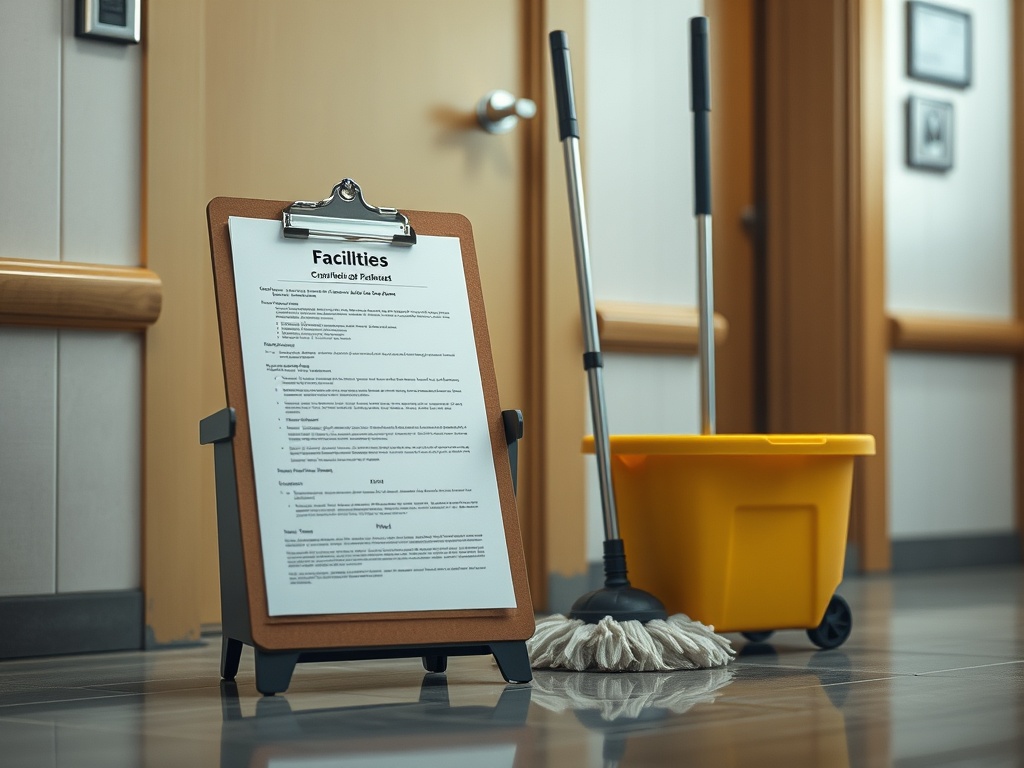
A reporting process should be short enough to use during a shift. A mobile form, QR code, shared log, or radio protocol can work, but it must avoid long technical fields. Use dropdowns for category and urgency, allow photos when permitted, and include a location field that matches the building’s real room naming system.
Feedback matters. If custodians never hear what happened, reports may slow down. A simple monthly note that says, “Your leak reports helped us find a failing valve,” reinforces the value of observation. Supervisors should also protect staff from blame; the system is for early detection, not fault-finding.
For teams thinking about adjacent building risks, How to plan façade restoration in occupied buildings adds a practical maintenance perspective without pulling the article away from its main scope.
Training language that keeps reports consistent
The most useful training is practical and visual. Show custodians examples of a ceiling stain, condensation, damaged base, unusual floor movement, pest evidence, drain backup, and burnt odor report. Pair each example with the kind of description technical teams need: exact location, time noticed, whether it repeated, and whether occupants were affected.
Avoid asking for formal diagnoses such as “failed valve” or “bad bearing.” That language can make staff hesitant to report. A better prompt is, “What changed since the last time this area looked normal?” This respects the custodian’s expertise in the space while leaving troubleshooting to the technical team.
Facilities leaders should review observation categories after a few months. If many reports fall into “other,” the form may not match the building’s real issues. If urgent reports are arriving through routine channels, escalation rules need to be clearer.
How managers can build trust around reporting
Trust determines whether small observations are shared. If reports are ignored, criticized, or used to blame staff, people will stop reporting. Managers should make it clear that the purpose is early awareness. A repeated smell, stain, or noise is useful information even when it does not immediately lead to a major repair.
A broader construction or facilities review may also include How vibration analysis supports rotating equipment reliability, especially when documentation and timing influence future work.
It also helps to share simple outcomes. When a report leads to a repaired leak, adjusted door closer, corrected drain issue, or equipment inspection, tell the staff who noticed it. That feedback turns reporting from extra work into a visible part of building care.
Additional project note for Article 4
Digital tools can help, but they should not become a barrier. A QR form with ten required fields may look organized yet discourage reporting during a busy shift. A short form with photos, location, urgency, and a comment field is often enough to start the maintenance conversation.
Comparison table for practical decisions
| Observation | Possible technical clue | Suggested response |
|---|---|---|
| Musty odor near a wall | Moisture behind finishes or poor ventilation | Check adjacent rooms, ceiling voids, and recent leak history. |
| Door suddenly dragging | Humidity change, settlement, hinge issue, or floor movement | Inspect frame, floor, and nearby moisture signs. |
| Recurring puddle after cleaning | Drainage, fixture leak, condensation, or slope issue | Track timing and location before opening finishes. |
| New equipment hum or vibration | Bearing, belt, fan, pump, or mounting problem | Create a technical inspection request with location details. |
A simple observation framework for facilities teams
- Define five to eight report categories that match common building risks.
- Train custodians to describe what changed, not to diagnose cause.
- Give urgent safety observations a direct contact path.
- Review repeated reports weekly for patterns.
- Thank staff when an observation leads to a repair.
- Update cleaning route checklists when recurring risks are discovered.
Small daily clues can protect bigger assets
Custodial observations are not a replacement for inspections, sensors, or preventive maintenance. They are an extra layer of practical awareness. When technical teams make reporting easy and respectful, the building gains more eyes on early symptoms and fewer problems reach the expensive stage unnoticed.
This content is for informational and educational purposes only. It does not constitute professional engineering, legal, code-compliance, safety, or project management advice. Requirements vary by jurisdiction and project condition; consult qualified professionals for project-specific decisions.