A water-efficient yard reduces unnecessary irrigation by matching plants to site conditions, improving soil and drainage, grouping plants by water need, using the right irrigation method, and keeping water on the landscape instead of pavement. The goal is not a dry yard; it is a yard that uses water where it produces a clear landscape benefit.
TL;DR: Map sun, soil, slope, and existing water flow; keep turf only where it serves a purpose; group plants into hydrozones; use mulch and healthy soil to moderate moisture loss; choose efficient irrigation for each zone; and adjust schedules with weather and local restrictions.
Start with a water map before choosing plants
Walk the yard after rain and during an irrigation cycle. Note where water pools, where it runs off, where soil dries quickly, where roofs discharge, and which areas receive reflected heat or deep shade. These patterns should influence plant choice and irrigation design.
The U.S. EPA’s WaterSense landscaping guidance recommends considering soil and site conditions, regionally appropriate plants, and groups of plants with similar water needs. That is a better starting point than choosing drought-tolerant plants at random and scattering them across zones that are still irrigated like lawn.
Decide where lawn has a job
Turf can be useful for play, pets, circulation, or an open gathering area. The water-efficiency question is not whether lawn is allowed; it is whether each lawn area provides enough function to justify its irrigation and maintenance.
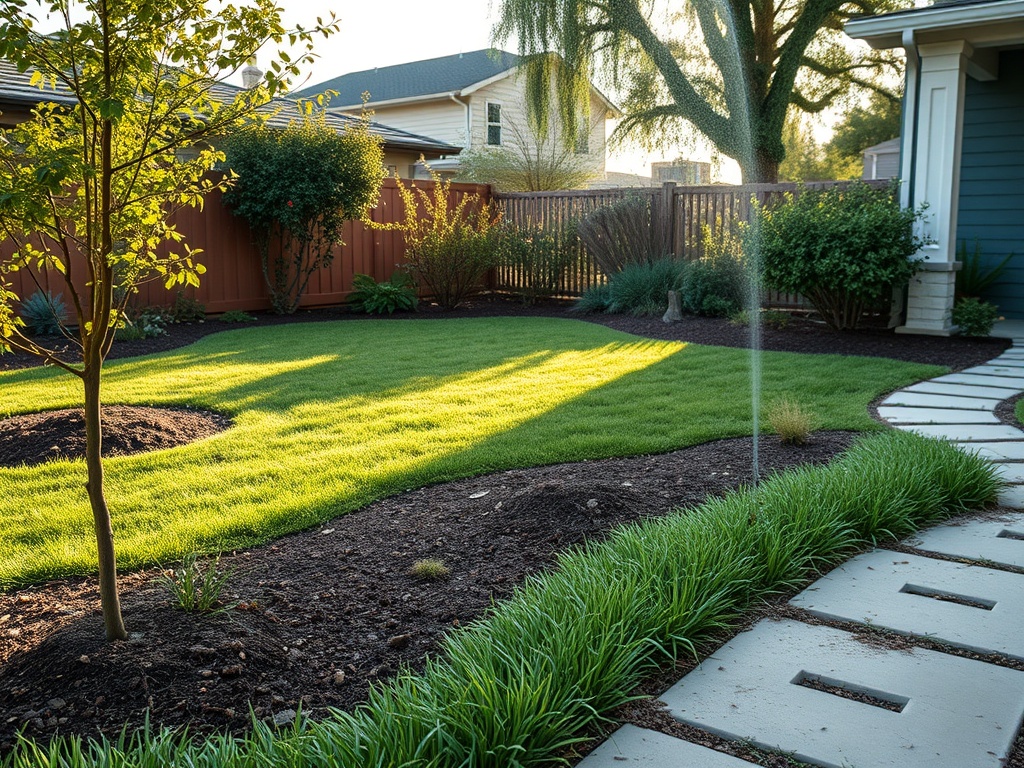
Narrow strips, steep slopes, awkward corners, and areas broken by trees or posts can be difficult to irrigate without overspray. Those locations may work better as mulched beds, groundcovers, native or regionally adapted plants, permeable surfaces, or other treatments suitable for the site. Keep turf where its open, resilient surface has a real purpose.
For layout issues that go beyond irrigation, the root-bound houseplant guide offers a smaller-scale reminder that container size, drainage, and water availability must work together rather than be solved independently.
Group plants into hydrozones
Hydrozoning means placing plants with similar water needs together so each irrigation area can be managed more accurately. High-water vegetables or new plantings should not necessarily share a zone with established drought-tolerant shrubs. Turf usually belongs on a separate schedule from woody landscape beds.
This does not require a complex design. Start by grouping plants into practical categories such as regular water, moderate water, and low supplemental water after establishment. Then check whether the irrigation equipment serving each group can deliver water at an appropriate rate and pattern.
Improve soil conditions before adding more irrigation
Compacted soil can shed water, while very sandy soil can drain quickly. Organic matter can improve soil structure in many situations, but amendment needs depend on existing soil and the plants you plan to grow. Test soil when nutrient or pH decisions are involved rather than adding products by habit.
Mulch around appropriate trees, shrubs, and perennials can reduce evaporation, moderate soil temperature, and suppress weeds that compete for water. Keep mulch away from trunks and crowns where direct contact can create moisture problems. The exact material and depth should fit the planting and local pest or fire considerations.
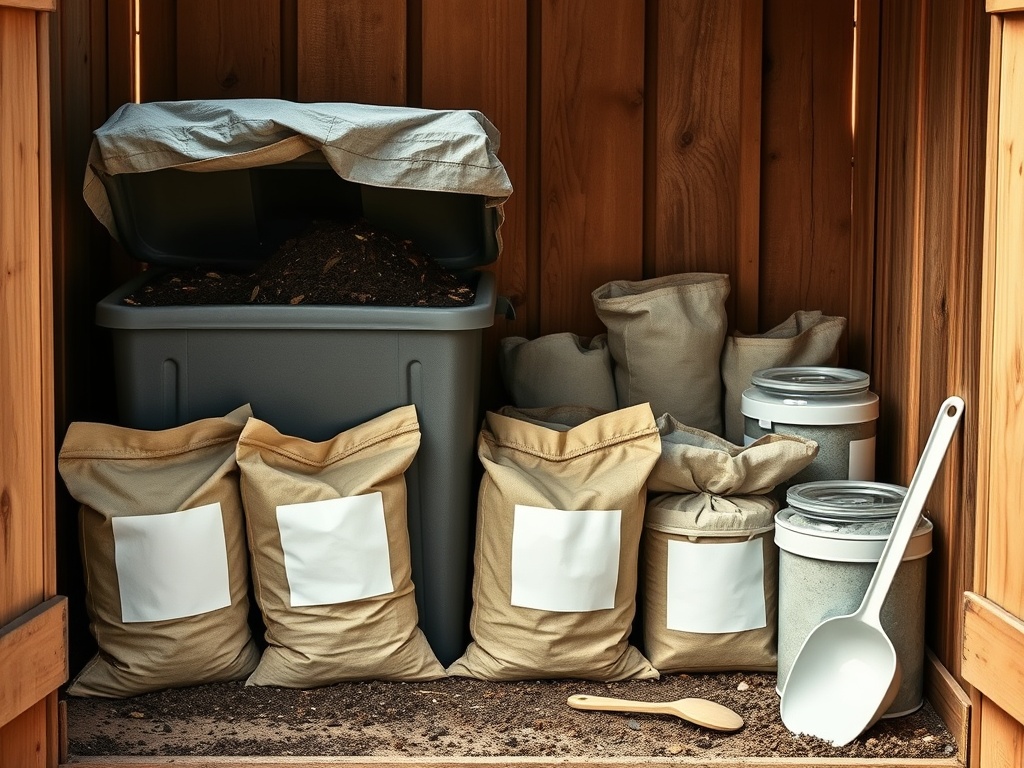
If you keep compost or soil inputs between projects, the guide to storing compost and soil amendments properly explains how to protect them from waterlogging and contamination before use.

Match the irrigation method to the planting
Spray irrigation can be appropriate for broad turf areas when it is well designed and maintained. Drip or microirrigation can be more targeted for shrubs, trees, and garden beds. Hand watering may be practical for a few containers or new plants. The most efficient method is the one that applies water to the intended root zone at a rate the soil can absorb.
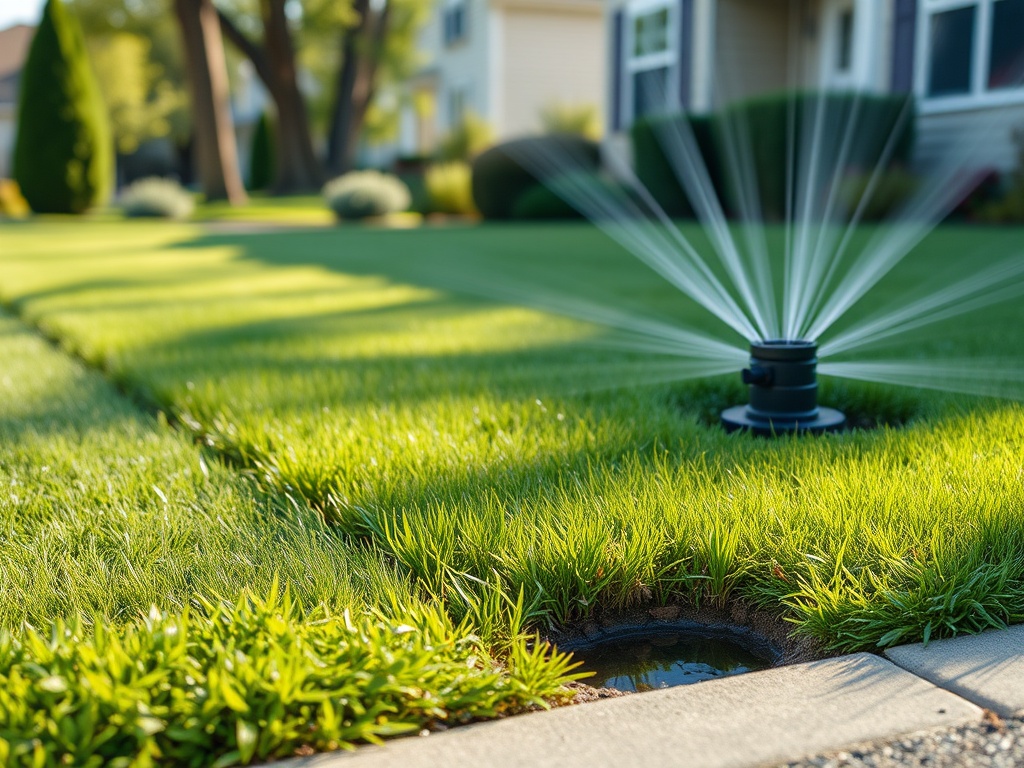
EPA WaterSense watering guidance recommends keeping sprinklers directed toward the landscape, repairing leaks, and using microirrigation for gardens, trees, and shrubs where appropriate. Check emitters and filters because a clogged drip line can quietly underwater one plant while the rest of the system appears normal.
Use cycle-and-soak where runoff starts early
On slopes or clay-rich soils, a long irrigation run may apply water faster than the ground can accept it. Instead of increasing total time continuously, divide the run into shorter cycles with pauses between them. That gives water time to infiltrate before the next cycle begins.
Cycle-and-soak is not a fixed formula. Soil texture, slope, sprinkler precipitation rate, plant type, and weather all matter. Observe the yard while the system runs. If water begins flowing into the street or collecting on the surface, the schedule or delivery rate needs attention.
Let weather override the timer
A clock-based controller does not know that it rained yesterday unless someone changes it. Adjust schedules through the season and pause irrigation when rainfall has already met plant needs. Weather-based and soil-moisture-based controllers can automate part of that adjustment when installed and programmed correctly.
Do not water simply because the surface looks dry at noon. Check moisture in the root zone. Newly planted material may need more frequent attention during establishment, while mature woody plants can often use deeper stored soil moisture. Local extension and water-utility guidance should determine timing for your region.
Reduce evaporation without creating new problems
Watering during cooler parts of the day can reduce evaporative loss compared with hot midday watering, but local rules and disease considerations may affect timing. Early morning is commonly practical because foliage has time to dry and wind is often lower.
Avoid misting patterns caused by excessive pressure or damaged heads. Fine spray can drift away from the target. Pressure-regulated equipment, correct nozzles, and routine maintenance can improve distribution. Fix leaks quickly; a small system defect can waste water every cycle.
Plan for rainwater only where it is legal and safe
Rain barrels and cisterns can supplement irrigation in some locations, but rainwater harvesting rules vary. Roof materials, mosquito control, overflow routing, freezing conditions, and intended use also matter. EPA WaterSense advises checking state or local rules before installing a rainwater collection system.
Direct downspouts away from foundations and toward appropriate landscape or drainage features only when the property layout and local code allow it. Structural drainage problems are not a do-it-yourself irrigation issue; they may require professional assessment.
Choose plants for the climate you actually have
Native or regionally adapted plants can reduce irrigation demand when they are matched to the site’s light, soil, and moisture conditions. “Native” does not automatically mean no water, and “drought tolerant” does not mean a plant can establish without irrigation. Young plants often need supplemental water until roots develop.
For vegetable areas, crop-starting strategy also affects water use. The direct-sowing versus transplanting guide explains why some crops are better established directly in the bed while others benefit from controlled early growth.
Let the Yard’s Water Needs Drive the Design
Water efficiency works best when it is built into the layout. Put plants with similar needs together, keep turf where it is useful, improve soil and mulch where appropriate, choose irrigation equipment for the zone, and adjust watering to weather rather than habit. A good design makes the efficient choice the easy choice.
Next step: Run each irrigation zone for a few minutes and watch it. Mark leaks, overspray, runoff, dry spots, mixed plant needs, and areas with no clear purpose before buying new equipment.