Many lawn problems get worse when homeowners react too quickly with more water, more fertilizer, lower mowing, or blanket weed treatment. A healthier approach is to diagnose the cause first, then adjust mowing, irrigation, soil conditions, fertility, and turf choice to match the grass species and local climate.
TL;DR: Avoid scalping, automatic daily watering, unnecessary fertilizer, treating every brown patch as drought, ignoring compaction, and using weed products without identifying the weed. Keep mower blades sharp, respond to actual moisture conditions, test soil when appropriate, and use local turf guidance for timing.
Mistake 1: Mowing too short because it looks tidy
Cutting turf very low can remove too much leaf area at once and leave the grass less able to shade its own soil. It can also expose crowns, increase heat at the soil surface, and make small mowing errors more damaging. The correct mowing height depends on turf species, season, and local conditions, so avoid using one universal number for every lawn.
The U.S. EPA’s WaterSense home-maintenance guidance recommends allowing grass to grow taller before mowing as one way to support deeper rooting and drought resilience. Local extension guidance should determine the appropriate range for your turfgrass.
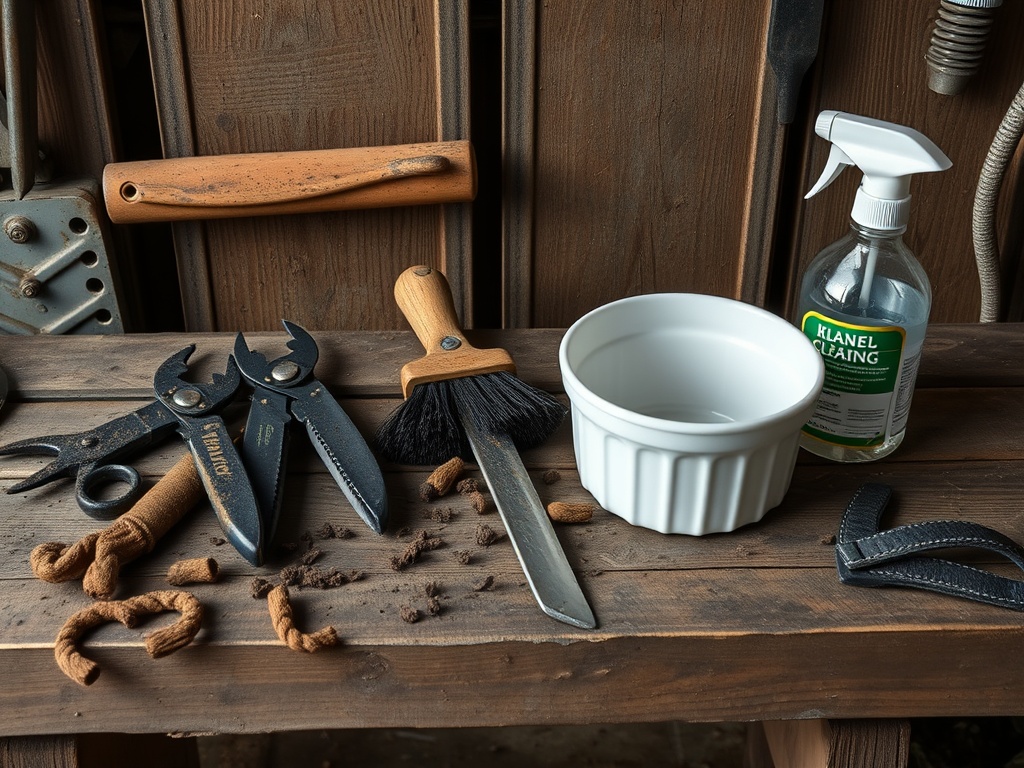
Keep blades sharp. Torn leaf tips can make a lawn look gray or ragged and may increase stress compared with a clean cut. Change mowing direction periodically if repeated wheel tracks are compacting the same areas.
Mistake 2: Watering on the calendar instead of checking the lawn
An automatic schedule is convenient, but weather changes faster than most timers. Watering after rain or during cool periods wastes water and can keep the root zone wetter than necessary. Frequent shallow watering can also encourage shallow rooting in some situations.
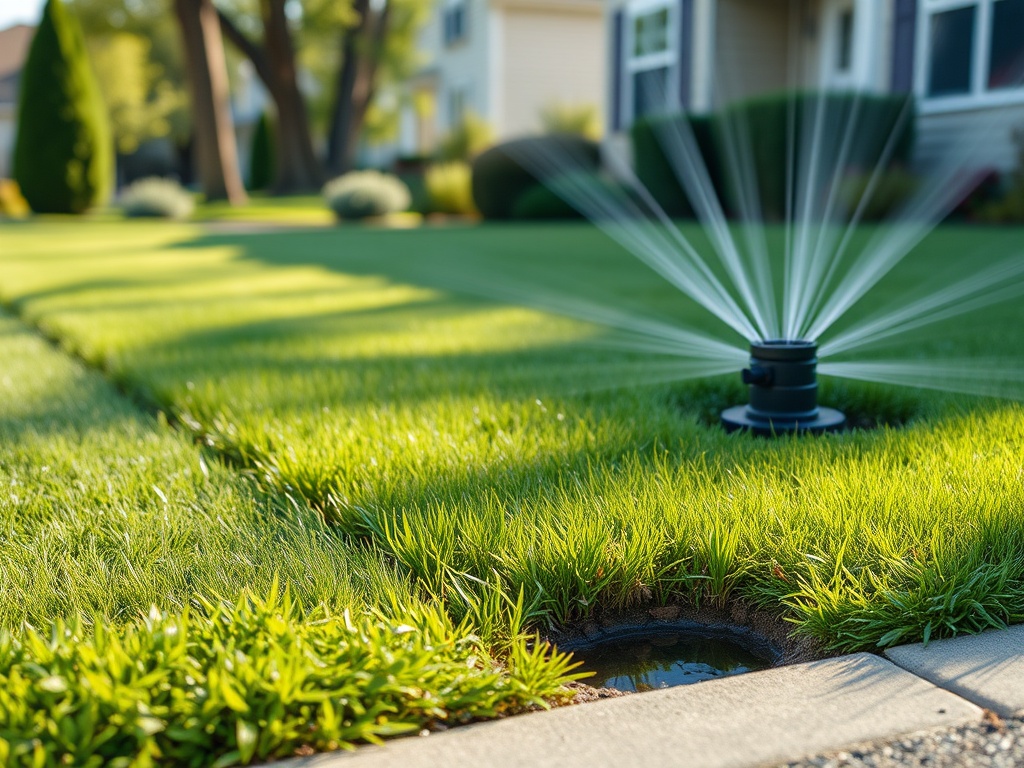
EPA WaterSense watering tips recommend adjusting irrigation to local weather and plant needs, watching for pooling or runoff, and keeping water on the landscape rather than pavement. If water begins to run off before the soil absorbs it, shorter cycles with soaking time between them may work better, especially on slopes or heavy soils.
A redesigned irrigation plan can help beyond turf. The garden-design mistakes guide explains why lawns, shrubs, and beds should not automatically share one watering strategy.
Mistake 3: Assuming every brown patch needs more water
Brown or thin turf can result from drought, but it can also come from disease, insects, pet urine, compaction, mower injury, shade, poor drainage, chemical damage, or seasonal dormancy. Adding more water to a disease or drainage problem may make it worse.
Inspect the pattern. Is the damage along a driveway edge, under dense shade, in a low spot, or in irregular patches? Does the soil feel dry several inches down or wet and sour? Are grass blades chewed, spotted, or pulled loose? If the cause is unclear, local extension diagnostic services can be more useful than guessing.
Mistake 4: Fertilizing because the lawn is pale
Pale turf can indicate low nitrogen, but it can also reflect iron availability, root stress, drought, waterlogging, disease, or unsuitable grass for the site. Fertilizer cannot correct every cause. Excess fertilizer can increase growth that needs more mowing and water, and nutrients can move off-site if applied improperly.
Base fertility on turf species, local timing recommendations, and soil-test results where those tests are useful. Follow product labels and local restrictions. Sweep granules from sidewalks and driveways back onto the lawn rather than washing them into storm drains.

Mistake 5: Treating weeds as the problem instead of a symptom
Weeds often exploit conditions where turf is weak. Compacted soil, thin shade-stressed grass, low fertility, poor drainage, or frequent disturbance can favor particular weed species. Penn State Extension’s indicator-weed guidance discusses how weed presence can point toward underlying growing conditions.
Identify the weed before treating it. Annual grasses, perennial broadleaf weeds, sedges, and moss require different management. A product labeled for one group may not control another, and nonselective herbicides can damage turf. In some lawns, correcting mowing, light, drainage, or soil conditions reduces the opportunity for weeds more effectively than repeated spot treatment alone.
Mistake 6: Ignoring compacted or poorly drained soil
Lawns in high-traffic areas can become compacted, reducing pore space for air and water. Symptoms may include standing water, thin turf, hard soil, or persistent paths. Core aeration can help some compacted lawns when done at the right time for the turf species, but it is not a cure for every drainage problem.
If the lawn stays wet because water collects from grading, downspouts, or a high water table, aeration may not solve the source. Address drainage with appropriate site planning. Significant grading, drainage, or stormwater work may require professional assessment and local approvals.
Mistake 7: Seeding without fixing the reason grass disappeared
Reseeding can temporarily fill bare soil, but new grass will fail again if the site is too shady, wet, dry, compacted, salty, or heavily trafficked for that turf. Before buying seed, identify why the area thinned.
Choose a turf type suited to the region and site. In difficult shade or under mature tree roots, a non-turf groundcover, mulch, or another landscape treatment may be more realistic than repeatedly reseeding grass. This is a design decision as much as a lawn-care decision.
Mistake 8: Using the same lawn standard everywhere
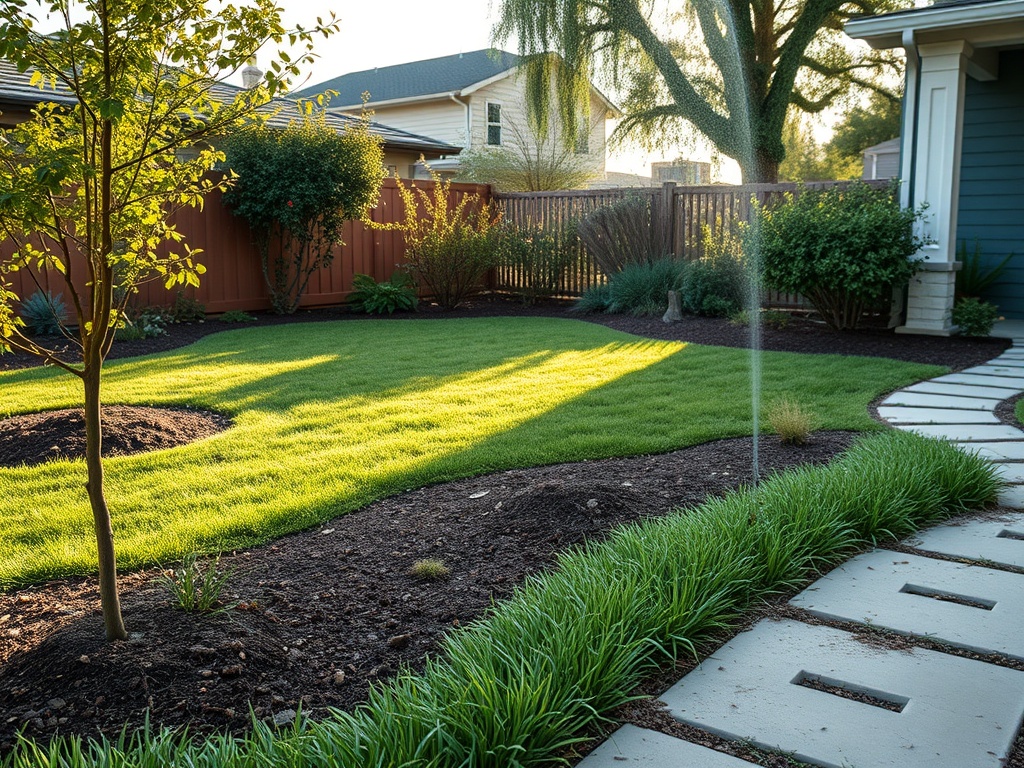
A front lawn used mostly for appearance, a backyard play area, and a narrow side strip do not need to be managed identically. High-use areas may need tougher turf and soil attention. Low-use or difficult-to-irrigate areas may be candidates for reduced turf, native planting, or other groundcovers where suitable.
This does not mean lawn is inherently good or bad. Turf can be functional for play, pets, circulation, and open space. The question is whether each patch of lawn has a purpose that justifies its water and maintenance needs.
Mistake 9: Overreacting to seasonal dormancy
Some grasses naturally slow or change color during heat, cold, or drought. Trying to keep every lawn bright green through unfavorable conditions can increase irrigation and stress. Learn the normal seasonal behavior of your turf species before treating color change as failure.
If you choose to allow dormancy, follow local turf guidance because survival watering and traffic limits can differ by species and climate. Dormant turf is not the same as dead turf, but severe drought, pests, or disease can also cause browning, so diagnosis still matters.
Mistake 10: Skipping the basic safety checks
Remove stones, toys, branches, hose fittings, and other debris before mowing. Keep people and pets away from the mowing area. Use the mower’s guards and safety features as designed, and follow the manual for fueling, charging, blade service, and slope use. Do not modify safety systems to speed up the job.
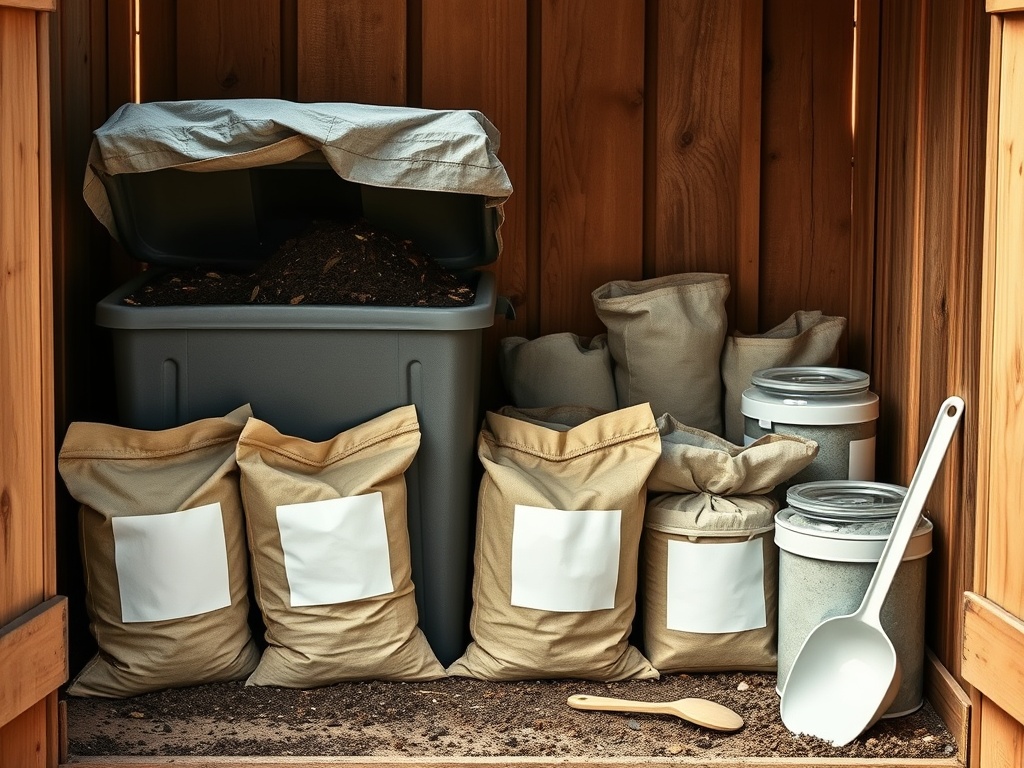
Store fertilizers, pesticides, fuels, and batteries according to their labels and away from children and vulnerable adults. If lawn equipment shares storage with emergency supplies or household gear, the home emergency-readiness FAQ provides a useful framework for keeping critical items accessible without creating clutter or hazards. For compact storage areas, the small-space design FAQ can help organize tools without blocking paths.
Correct the Habit Before Replacing the Lawn
A struggling lawn often reflects a mismatch between routine and conditions. Before adding water, fertilizer, seed, or herbicide, look at mowing height, soil moisture, light, drainage, traffic, and turf type. Correcting the cause is usually more durable than repeatedly treating the symptom.
Next step: Pick the worst square meter of lawn and diagnose it before doing anything. Check soil moisture, light, compaction, mowing pattern, weed identity, and drainage, then choose one correction based on evidence.
Informational note: This article is general lawn-care information. Fertilizer and pesticide rules, watering restrictions, turf recommendations, and application timing vary by location; follow local regulations, labels, and extension guidance.