Sports gear lasts longer when athletes clean sweat and dirt quickly, dry items fully, store them with airflow, and replace protective equipment before it loses function. The best maintenance plan protects both performance and hygiene.
Key Takeaways
• Dry gear before storage; sealed damp bags create odor and hygiene problems.
• Follow the manufacturer’s care label before washing pads, uniforms, gloves, shoes, or helmets.
• Replace items when protection, grip, fit, or structure has clearly changed.
Why Gear Care Is a Performance Decision
Sports gear lasts longer when athletes clean sweat and dirt quickly, dry items fully, store them with airflow, and replace protective equipment before it loses function. The best maintenance plan protects both performance and hygiene. This article focuses on practical decisions rather than hype, so the advice can work for athletes, parents, coaches, and serious fans who need a clear framework.
The CDC notes that athletic settings can reduce MRSA risk through hygiene, cleaning, and disinfecting practices, which is why care is not only about odor or appearance. That outside reference is a useful reminder that this topic sits inside a wider sport and health context, not just personal preference.
Cleaning Rules by Gear Type
Start by identifying the job the choice must do. A good decision solves a real problem: reducing risk, improving consistency, saving time, supporting recovery, or making participation easier. If the item, routine, or platform does not solve a specific problem, it may add cost without improving the sport experience.
This is also where same-site context helps. Readers can compare this topic with How Substitutions Work in Soccer, Basketball, Volleyball, and Rugby because connected decisions often affect training quality, game-day readiness, or the fan experience more than people expect.
Storage Habits That Prevent Damage
The most useful comparison is simple: what does the option improve, what does it risk, and how will you know it is working? Avoid vague claims. Look for observable signals such as fewer missed sessions, cleaner movement, lower stress, better planning, more consistent attendance, or easier communication.
When a decision involves equipment, digital tools, youth athletes, or spectators, small details matter. The relevant authority source also helps keep the advice grounded: NATA education on cleaning and disinfecting also frames sanitation as part of breaking the chain of infection in athletic environments.
Decision Framework at a Glance
| Decision Area | What to Check | Helpful Question |
|---|---|---|
| Fit | Does it solve the real problem? | What will improve if this works? |
| Cost | Money, time, attention, and stress. | What does this replace? |
| Safety | Workload, privacy, hygiene, or behavior risk. | Who is responsible if something goes wrong? |
| Review | A clear trial period and success signal. | When will we reassess? |

Replacement Signs You Should Not Ignore
A common mistake is adding the new routine or purchase on top of everything else. Athletes already manage practice, games, school, work, travel, sleep, soreness, and family schedules. Better planning means replacing a weaker habit with a stronger one or starting with a small trial period.
This is where Pickleball Dink Drills That Actually Improve Match Performance can be useful because behavior, safety, and communication shape whether a plan holds up under stress. A technically good plan can fail if the people around it do not understand expectations.
Budget Planning for Longer Gear Life
Red flags include pain that changes movement, pressure to commit before understanding terms, unclear cancellation rules, vague claims with no practical explanation, and tools that collect more personal information than needed. For young athletes, adults should be extra careful about privacy, workload, and communication boundaries.
A cautious approach is not negative. It protects the athlete’s trust and makes the final decision easier to explain to everyone involved.
A Practical Care Routine After Practice
Use a short review cycle. Try the approach for two to four weeks, track one or two signals, then decide whether to continue, change, or stop. This prevents sunk-cost thinking and keeps the focus on the athlete or fan experience, not the purchase itself.
For a wider view, connect the decision to How to Get Better Value From Season Tickets and Membership Packages. Sport works best when rules, gear, training, recovery, technology, and fan habits support each other instead of competing for attention.
The practical next move is to choose one change, define what success looks like, and review it honestly after a real trial period. Good sport decisions rarely need drama. They need clarity, fit, and consistent follow-through.
Care Habits That Save Money
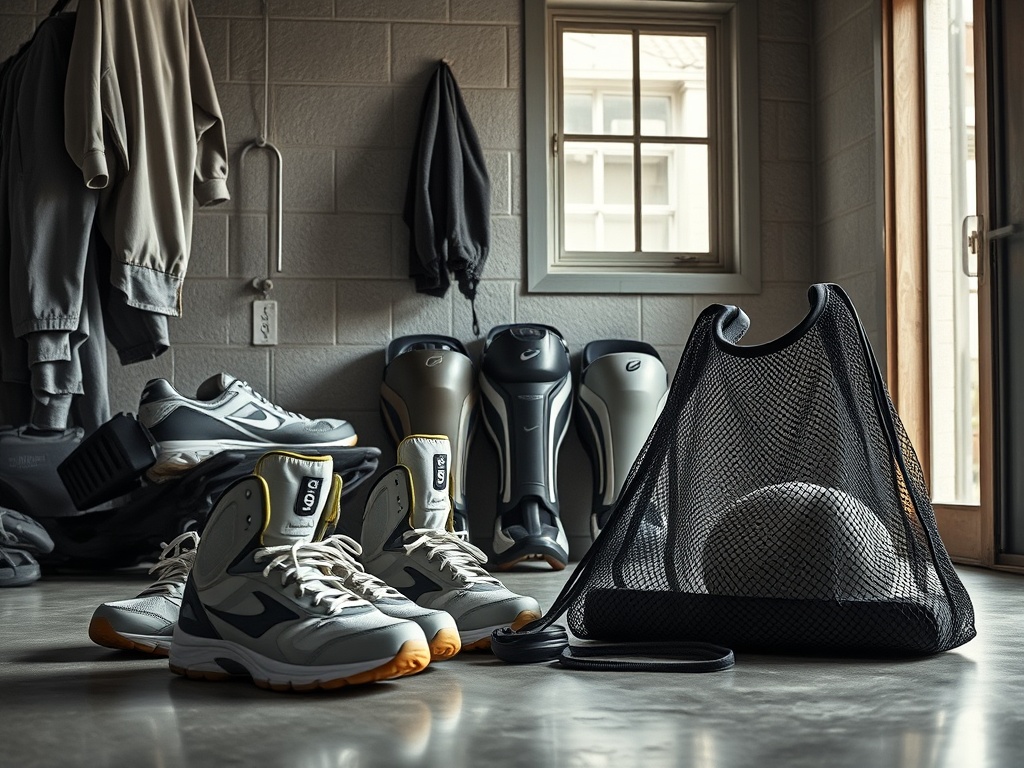
Gear care is cheaper than emergency replacement. Build a simple post-practice routine: empty the bag, separate wet items, wipe hard surfaces, open shoe tongues, and hang uniforms before they sit overnight. Most odor problems become harder to solve when sweat dries inside a closed bag. Airflow is the first maintenance tool, and it costs nothing.
Protective gear needs extra caution. Helmets, pads, guards, and braces should not be soaked, heated, or altered unless the manufacturer says it is safe. Heat can warp materials, harsh chemicals can damage foam or straps, and machine washing can ruin adhesives. If an item protects the head, face, teeth, joints, or torso, the care label matters more than internet shortcuts.
Families can reduce costs by keeping a replacement calendar. Note when shoes were bought, when grip tape was changed, when a helmet was inspected, and when uniforms started to thin or tear. This prevents last-minute purchases at higher prices. It also helps athletes understand that maintenance is part of preparation, not a chore added after practice.
Seasonal Maintenance Calendar
At the start of a season, inspect every item for fit, cracks, loose stitching, worn soles, missing straps, and odor that does not improve after cleaning. Midseason, repeat the inspection and focus on high-use items such as shoes, gloves, bags, water bottles, braces, and pads. After the season, clean and dry everything before storage so mildew, rust, and fabric breakdown do not quietly develop.
Storage location matters. Avoid hot car trunks, damp basements, tightly sealed plastic bins, and direct sunlight for long periods. Heat can weaken glues and plastics, moisture can encourage odor and microbial growth, and sunlight can fade or weaken materials. Use breathable bags, open shelving, or mesh containers when possible. If gear must be stored in a closed bin, make sure every item is completely dry first.
Families with multiple athletes should label gear discreetly, but avoid permanent markings on items that might be resold or passed down. Keep receipts for higher-cost protective equipment and check warranty or certification guidance when relevant. The goal is to stretch value without using gear past the point where it no longer protects or performs properly.
Small Habits Athletes Can Repeat
Make maintenance visible and routine. Put a drying rack, towel, mild cleaner, and spare laces or tape near the place where gear is dropped after practice. When the tools are easy to reach, athletes are more likely to use them. Coaches can reinforce the habit by building two minutes of gear cleanup into the end of practice, especially in shared locker rooms or team travel settings.