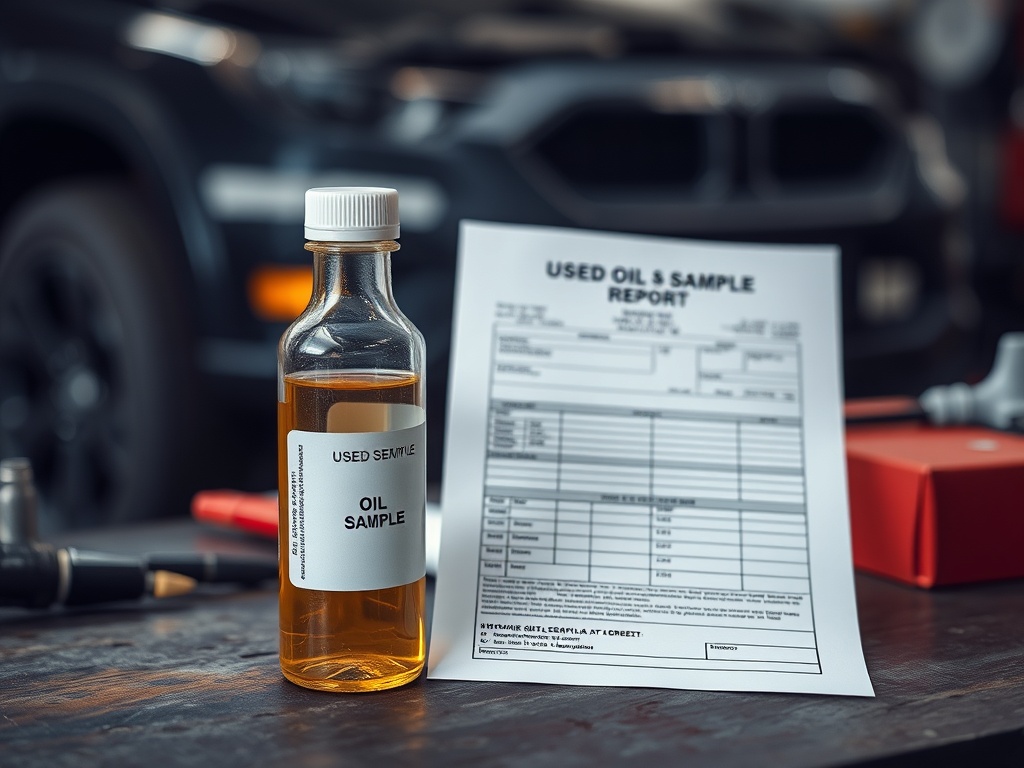
A used oil analysis report can show signs of wear metals, contamination, oil condition, additive depletion, coolant intrusion, fuel dilution, and whether a maintenance trend is improving or getting worse. It is not a crystal ball, but it can turn oil changes into useful engine health checkpoints.
Diagnostic takeaway: One report gives a snapshot. Several reports taken at consistent intervals create a trend. Trend data is where used oil analysis becomes most useful for owners, fleets, buyers, and anyone trying to understand what is happening inside an engine without tearing it apart.
What a used oil analysis actually measures
Used oil analysis starts with a sample of engine oil removed during or near an oil change. A lab tests that sample and reports what it finds. Common categories include wear metals, contaminants, viscosity, fuel dilution, coolant indicators, soot, oxidation, nitration, and additive elements. Some reports also include total base number, or TBN, which helps describe remaining reserve alkalinity in certain oil applications.
Labs often use spectrochemical analysis to identify elements associated with wear, additives, and contamination. ALS Global explains that oil analysis interpretation commonly looks at wear metals, contaminants, lubricant condition, and physical or chemical tests together rather than in isolation ALS oil analysis interpretation. That is a key point: a single high number may matter, but the pattern usually matters more.
The report sections that deserve your attention
Wear metals are often the first section owners notice. Iron may be associated with steel components, aluminum with pistons or housings, copper with bushings or bearings, and chromium with certain wear surfaces. These associations are not automatic diagnoses. They are clues that must be interpreted with engine design, oil miles, total engine miles, operating conditions, and previous results.
Contaminants can be even more actionable. Silicon may suggest dirt entry, sealant residue, or sampling contamination depending on context. Sodium and potassium together may raise concern for coolant intrusion in some applications. Fuel dilution can thin oil and reduce protection. Water can indicate condensation, poor sampling, short-trip operation, or a more serious issue.
Oil condition matters because oil does more than lubricate. It helps carry heat, suspend contaminants, protect surfaces, and resist oxidation. Chevron’s technical discussion of TAN and TBN notes that good oil performance depends on the right balance of oxidation stability, soot dispersancy, deposit control, wear performance, detergency, and TBN retention Chevron oil analysis guide.
How the sampling process affects accuracy
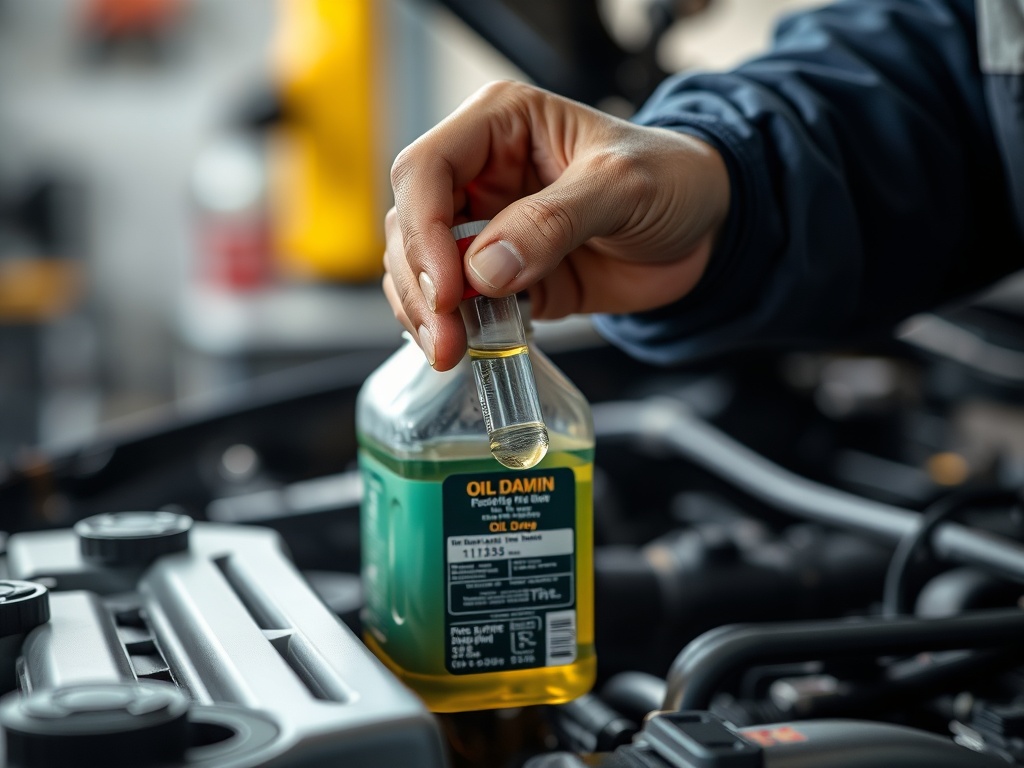
Good interpretation starts before the lab sees the sample. The best sample is usually taken mid-stream during an oil drain or through a clean sampling port, not from the bottom of a dirty drain pan. The bottle should be clean, sealed, and labeled with oil brand, viscosity, oil miles, engine miles, makeup oil added, and the reason for testing.
A report with missing information is easier to misread. If the lab does not know the oil interval, it cannot fairly compare wear levels. If the sample was taken right after a repair, break-in wear or residual fluids may distort the result. If the vehicle had frequent short trips, towing, idling, or dusty conditions, those operating details should be included.
What one report can and cannot prove
One used oil analysis can identify obvious concerns, such as severe contamination, very abnormal viscosity, or strong coolant indicators. It can also confirm that an oil was not catastrophically degraded at the time of sampling. What it cannot do is guarantee that an engine is healthy in every respect. Some mechanical failures do not shed detectable particles into the oil, and some wear particles may be too large for the test method.
This is why trends are valuable. If iron gradually rises over several samples while oil miles remain similar, that trend deserves attention. If fuel dilution appears once after many short trips and then disappears after highway operation and an oil change, the story is different. Think of the report as evidence, not a verdict.
When DIY sampling makes sense
DIY sampling can work well for owners who change their own oil, maintain a specialty vehicle, manage a high-mileage engine, or want documentation before selling. It also helps buyers who want deeper information than a visual inspection can provide, although it should not replace a professional inspection.
A used oil report pairs well with a pre-purchase car inspection checklist because the report focuses on internal fluid evidence while the inspection covers safety, structure, electronics, tires, leaks, and road-test behavior. Together, they give a better view than either one alone.
Signs the report points beyond routine service
Some findings deserve prompt professional evaluation. Coolant indicators paired with abnormal wear may suggest a gasket, cooler, or internal sealing concern. Fuel dilution paired with poor drivability may suggest injection, ignition, or operating-condition problems. Very low viscosity may reduce film strength. High silicon with rising wear may point toward intake leaks or filtration issues. A lab may flag these as caution or critical, but the repair decision still belongs with a qualified technician who can test the vehicle.
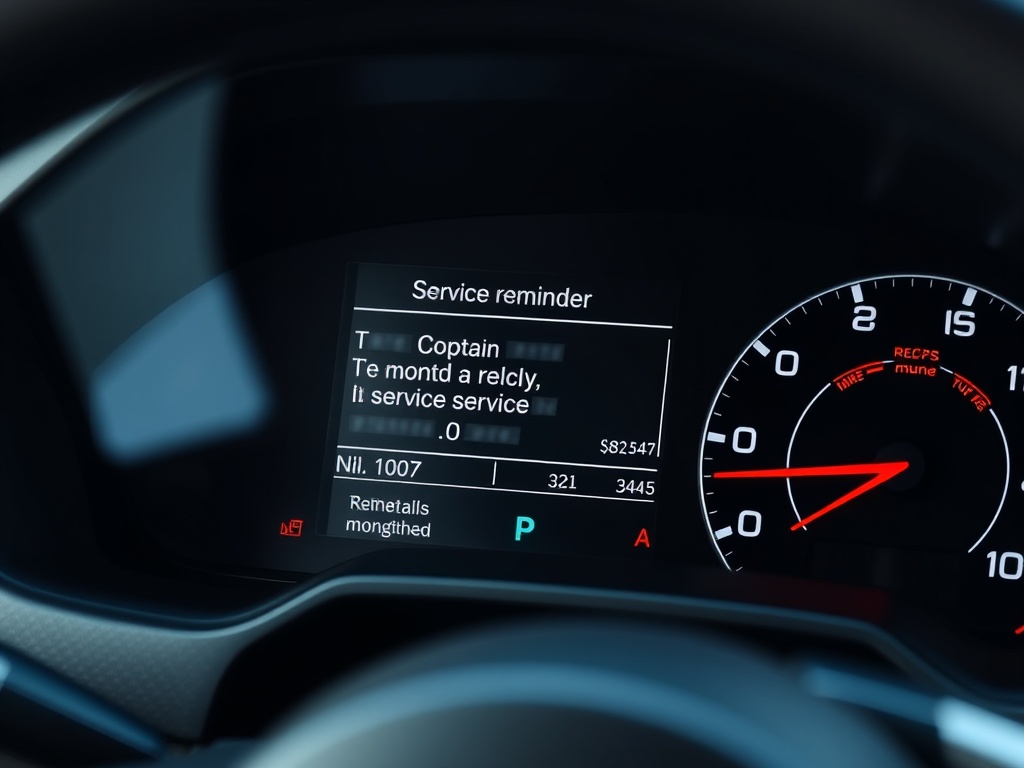
If the report shows a concern and the service due light is also on, do not clear the reminder and move on. The light may be mileage-based, but the oil report may reveal a condition-based issue. For a beginner-friendly explanation of reminders and maintenance lights, see what a service due light usually means.
How to use the report without overreacting
Start by comparing the report to universal averages only cautiously. Universal averages can be helpful, but your engine’s trend is better. Match oil miles, driving style, oil type, and sample method before drawing conclusions. Read the lab comments, then look at the numbers yourself. If the lab recommends resampling, do that before authorizing expensive work unless symptoms or safety concerns demand immediate action.
Keep every report with your service records. A clean trend can support resale value, and a concerning trend can help a technician investigate faster. The value is not only in the data; it is in the consistency.
The best way to turn oil data into maintenance decisions
Use oil analysis to ask smarter questions. Is the oil interval too long for your driving? Is contamination entering the engine? Is a wear trend developing? Is towing or idling changing the oil’s condition faster than expected? Those questions lead to better maintenance planning than guessing from mileage alone.