Hail damage repair needs more than dent removal when the impact has cracked paint, stretched metal, damaged trim, affected glass, or exposed corrosion risks beneath the surface. Paintless dent repair can be excellent for clean dents, but it is only one part of the decision when the damage is deeper than a shallow panel impression.
Quick repair read: If the paint is intact and the panel metal is not stretched, paintless dent repair may be the least invasive path. If the finish is broken, the panel edge is distorted, or roof rails, moldings, lamps, sensors, or glass are involved, the repair should be evaluated as bodywork, refinish, parts replacement, or a mixed repair plan.
Why some hail dents are not “just dents”
Hail usually creates many small impacts instead of one obvious collision point. That makes the repair look cosmetic at first glance. The problem is that a dent can look simple from above while the metal, paint film, seam sealer, or attached components tell a different story. A technician is not only asking, “Can the dent be pushed out?” The better question is, “Can the panel be restored without weakening the finish, hiding damage, or creating a future rust point?”
Paintless dent repair, often called PDR, works by massaging the metal back into shape from behind the panel or by using carefully controlled pulling methods from the outside. It protects the original finish when the paint has not fractured. That is why it is commonly preferred for clean hail dents on accessible panels. The repair gets more complicated when the dent sits on a sharp body line, a panel edge, a reinforced roof section, an aluminum panel, or an area with limited tool access.
For readers comparing repair materials and shop recommendations, the same judgment skills used in OEM, aftermarket, and used parts decisions can help here too: the cheapest path is not always the lowest-risk path once durability and finish quality are considered.
Step-by-step: how a proper hail inspection works
A careful hail inspection starts with a clean vehicle under controlled lighting. Dust, water, pollen, and reflections can hide shallow dents, so shops often wash the vehicle first and use line boards or specialized lights to read panel distortion. The technician maps dents by panel, checks the size and depth of each impact, and separates clean PDR candidates from dents that need conventional repair.
Next comes access planning. The hood and trunk are often easier to work than roof rails or quarter panels because trim removal may be minimal. Roof work may require dropping portions of the headliner, removing handles or lamps, and protecting wiring. That added labor does not mean the shop is upselling. It may be the only way to reach the back side of the panel without drilling or forcing tools into the wrong place.
After access is confirmed, the shop decides between PDR, conventional body repair, or a combination. Conventional repair may include sanding, filling, priming, refinishing, and blending nearby panels. PDR may still be used first to reduce the depth of dents before a smaller refinish area is prepared. This mixed approach can preserve more original metal and reduce filler thickness when performed correctly.
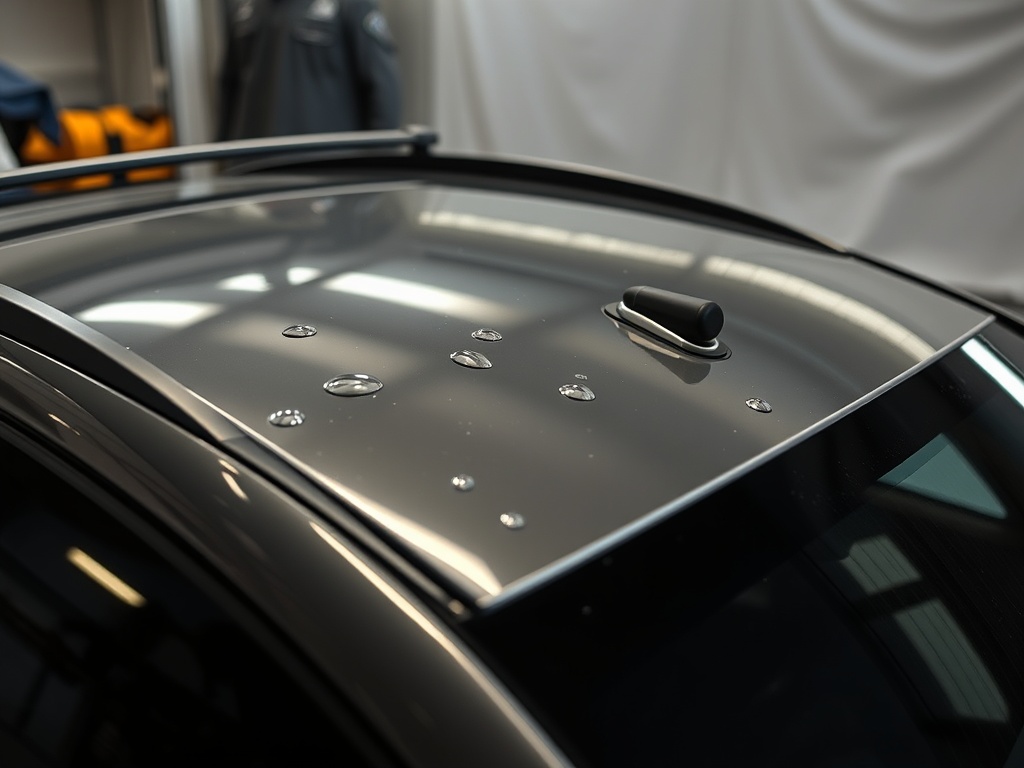
The final stage is verification. Panels should be checked from several angles in natural and shop light. Edges, seams, moldings, and trim clips should be secure. If glass was removed or replaced, leak testing and ADAS-related checks may be needed depending on the vehicle. The National Highway Traffic Safety Administration explains that driver assistance features are supportive systems, not substitutes for driver control, which makes correct repair and calibration after affected work especially important for safety-related features NHTSA driver assistance technologies.
When DIY can help and when it becomes risky
DIY can help with documentation, not with most physical hail repair. Take photos before washing the vehicle, capture wide shots and close-ups, record the date of the storm, and avoid applying suction tools, heat, dry ice, or glue kits on panels you plan to have professionally repaired. Many DIY dent tools create high spots, cracked clear coat, or stretched metal that makes the professional repair harder.
A driver can safely inspect for obvious red flags: chipped paint, rust-colored marks, cracked lamps, water leaks, loose trim, damaged weatherstripping, roof rack movement, or glass chips. Those signs move the job beyond routine dent removal. If the vehicle is leased, financed, insured, or still under corrosion coverage, documentation matters even more. A poor repair can create a future value issue, not just a cosmetic concern.
Common mistakes that make hail repairs worse
The first mistake is approving PDR without checking paint condition. A dent with cracked paint may look better after pushing, but the exposed finish still needs protection. The second mistake is ignoring hidden water paths around roof rails, sunroofs, and windshield moldings. The third is judging the repair only in a dim garage. Hail repairs should be viewed in daylight and under reflection because shallow waves often appear only from certain angles.
Another common mistake is treating all panels the same. Aluminum reacts differently than steel, repainted panels may not tolerate pushing or pulling like factory paint, and previous filler can crack when pressure is applied. Sustainable repair practices can reduce waste, but sustainability still depends on choosing the right method, not forcing PDR where the panel needs refinish work. For a broader look at repair decisions that reduce unnecessary replacement, see modern sustainable repair practices.
How to verify the result before you accept the vehicle
Walk around the vehicle slowly with the shop representative. Look across the panels, not straight down at them. Check the hood, roof, trunk, pillars, and horizontal surfaces first because those are the usual hail targets. Open and close doors, hood, and trunk to confirm trim and seals are back in place. Ask what panels were repaired by PDR, what areas were refinished, and whether any parts were replaced.
If the repair involved glass, cameras, parking sensors, or other electronic systems, ask what post-repair checks were performed. If the claim involved insurance, keep copies of the estimate, supplement, final invoice, and photos. Those records can support resale value later, much like service records and reports from maintenance history. Even a used oil analysis report has more value when it is part of a clean documentation trail.
The smartest follow-up after hail repair
Treat hail repair as a panel, paint, trim, and documentation issue, not only a dent count. If the dents are clean, PDR may be ideal. If the paint, glass, seals, or electronics are involved, ask for a repair plan that explains the method panel by panel. That gives you a better chance of protecting appearance, corrosion resistance, and long-term vehicle value.