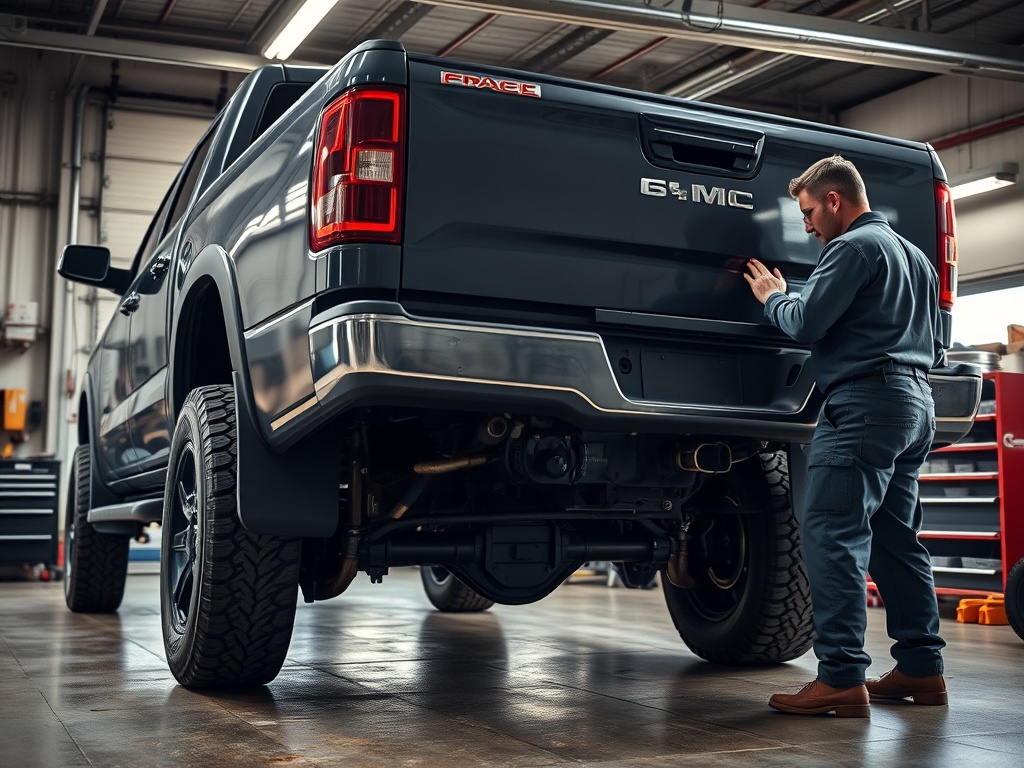
A pickup truck that tows frequently needs more careful service because towing adds heat, load, and stress to the engine, transmission, brakes, tires, suspension, cooling system, and driveline. The correct schedule depends on the truck, trailer weight, terrain, climate, and manufacturer severe-service guidance.
Tow-service takeaway: Towing is not only a hitch-and-torque issue. It is a heat-management and wear-management issue. Follow the owner’s manual, document service, and inspect more often when the truck works hard.
Why towing changes the maintenance picture
When a truck tows, it works against more weight, more aerodynamic drag, and often more heat. Transmission fluid can run hotter, brakes work harder on descents, tires carry more load, and suspension components control extra movement. Even when the truck is rated for the trailer, the service conditions are more demanding than light commuting.
That is why many manufacturers separate normal and severe-service schedules. Severe use can include towing, heavy loads, dusty roads, extreme temperatures, repeated short trips, long idling, and mountainous driving. The exact wording varies by manufacturer, so the owner’s manual matters more than generic advice.
Step-by-step truck service review
Start with the manual and the truck’s actual use. Record trailer weight, tongue weight, trip frequency, terrain, and whether the truck spends time in stop-and-go traffic or heat. A half-ton that tows a small utility trailer twice a year has different needs than a diesel truck hauling a camper across mountain grades every month.
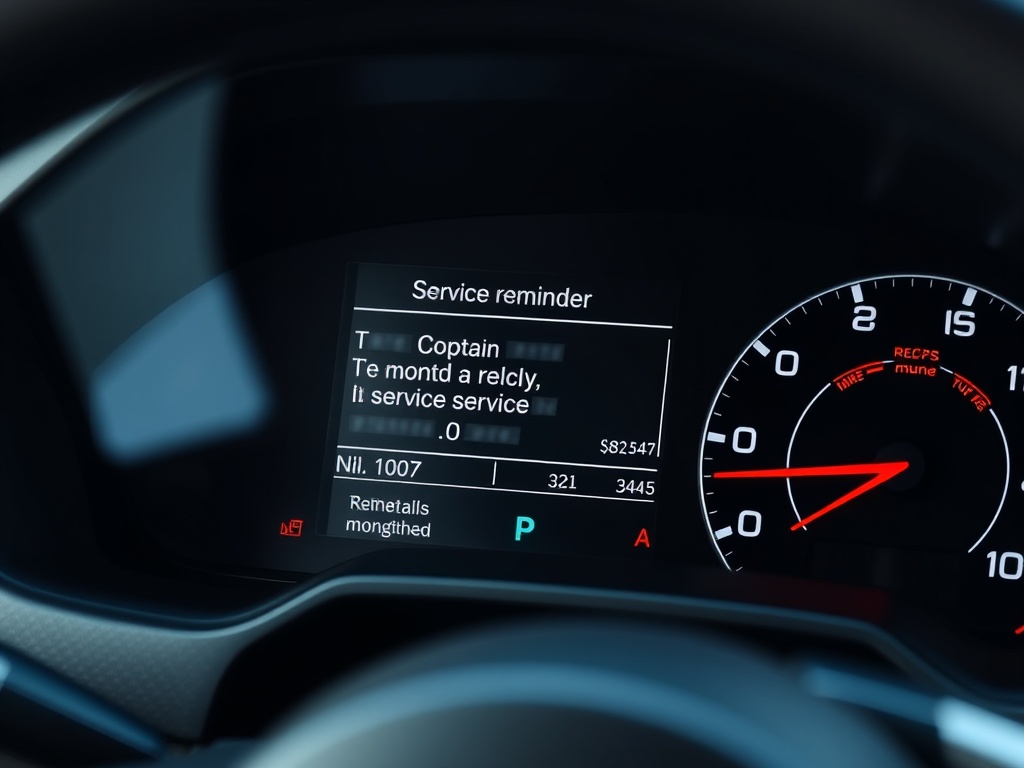
Next, inspect fluids. Engine oil, transmission fluid, transfer case fluid, differential fluid, coolant, and brake fluid all deserve attention. Some trucks require different intervals for axle or transmission service under towing use. Do not assume “lifetime fluid” means lifetime under heavy load. If the service due light appears, treat it as a prompt to verify the schedule, not as a nuisance to clear. For a beginner-friendly explanation, see what a service due light usually means.
Transmission and driveline checks
The transmission often gets the most attention because heat can shorten fluid life. Warning signs include delayed engagement, harsh shifts, shuddering, slipping, burnt fluid odor, or rising temperature readings. Towing above the vehicle’s rating or accelerating aggressively with heavy loads can increase risk. Firestone’s maintenance guidance notes that low or contaminated transmission fluid, excessive load, or aggressive towing behavior can contribute to transmission damage Firestone towing maintenance discussion.
Do not ignore differential and transfer case service. These components handle torque and load, especially in four-wheel-drive trucks. Fluid leaks, metal particles, whining noises, and vibration under load should be inspected promptly.
Brakes, tires, and suspension under trailer load
Towing makes brakes and tires more important than they already are. Inspect brake pad thickness, rotor condition, calipers, brake fluid, and trailer brake operation. A truck with strong engine power but weak brakes is not ready for towing. Trailer brakes, brake controller settings, and proper load distribution matter.
Tires should match the required load rating, inflation guidance, and condition for the work. Uneven wear may indicate alignment, worn suspension, overloading, or incorrect pressure. Check the spare tire too. Suspension checks should include shocks, leaf springs or coils, bushings, ball joints, steering components, wheel bearings, and hitch mounting points.
Cooling system and engine health
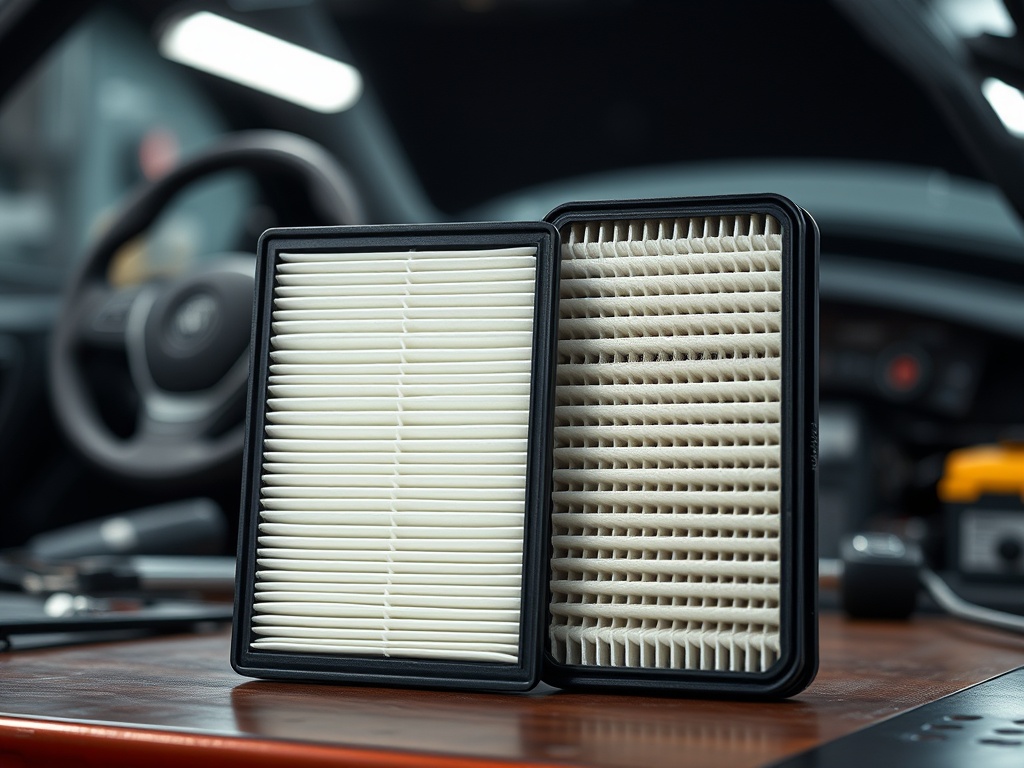
Heat control is central to towing reliability. Inspect coolant condition, radiator, hoses, fan operation, belts, intercooler paths on turbocharged vehicles, and any external transmission cooler. Watch temperature trends during towing. A truck that runs cool empty but heats under load is telling you something useful.
Engine oil analysis can be helpful for trucks that tow often because it can reveal fuel dilution, coolant indicators, soot, viscosity changes, or wear trends. The guide on used oil analysis reports explains why trend data is more valuable than a single sample.
Common mistakes frequent towers make
The first mistake is assuming tow rating equals maintenance freedom. Ratings describe capability under defined conditions, not a promise that service intervals never change. The second mistake is ignoring payload. Tongue weight, passengers, cargo, tools, and accessories all count. The third mistake is servicing only the engine and forgetting the axle, transmission, brakes, and tires.
Another mistake is copying another owner’s schedule without matching vehicle, trailer, terrain, and climate. A truck towing a boat on flat roads has different stress than one pulling a camper through long grades. If the truck uses a CVT, hybrid system, or specialized transmission, get model-specific guidance. For transmission basics and myths, see CVT service basics.
When DIY is enough and when a shop is smarter
DIY owners can safely check tire pressure, lights, hitch pins, visible leaks, fluid levels where accessible, trailer connections, brake controller function, and service records. More advanced DIY work may include fluid changes if the owner has the tools, specifications, torque data, and safe lifting equipment.
Professional service is smarter when the truck shows driveline noise, brake vibration, overheating, shifting changes, suspension sag, uneven tire wear, or warning lights. It is also smart before long towing trips. A pre-trip inspection can catch issues when the trailer is not already loaded and the schedule is not already tight.
Build a towing maintenance log
Keep records by date, mileage, trailer use, parts, fluids, and observations. Note when the truck towed heavy, ran hot, crossed mountains, or operated in dusty conditions. That log helps technicians interpret wear and helps future buyers understand how the truck was maintained.
Keep the truck ready for the job it actually does
A towing truck should be serviced for its workload, not its image. Follow the manual, inspect heat-sensitive systems, document fluids, and treat small symptoms as early warnings. Good towing maintenance protects the truck, the trailer, and everyone sharing the road.