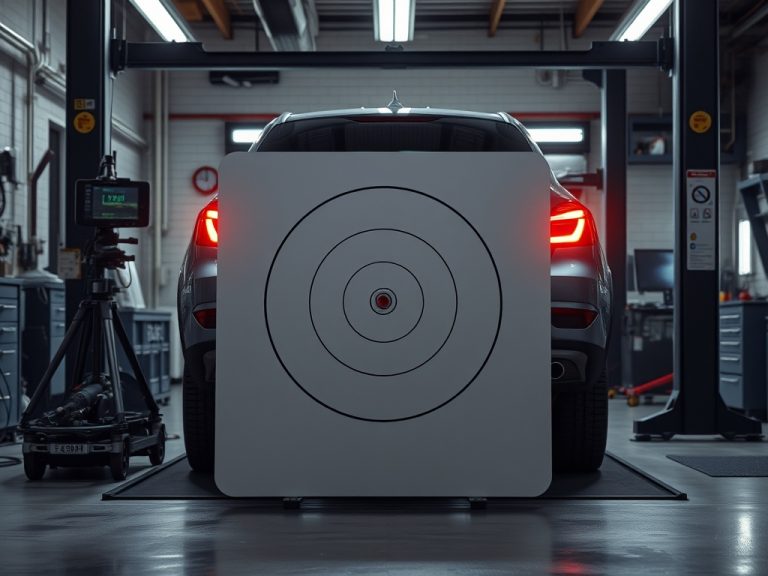
A pre-purchase car inspection helps buyers spot safety issues, hidden damage, maintenance neglect, title questions, and upcoming repair costs before money changes hands. It does not guarantee a perfect vehicle, but it can reduce expensive surprises and improve your negotiating position.
Buyer’s field note: Inspect the car in daylight, verify documents, scan for recalls, drive it from cold start to full operating temperature, and use an independent technician when the vehicle is expensive, complex, modified, or sold “as is.”
Start with paperwork before you look under the hood
A clean-looking vehicle can still carry paperwork problems. Start with the VIN on the dashboard, door jamb, title, registration, and seller documents. The numbers should match. Ask for service records, warranty documents, repair invoices, owner manuals, spare keys, and any inspection reports. If a dealer is selling the vehicle in the United States, the Federal Trade Commission’s Used Car Rule requires a Buyers Guide on used cars offered for sale, and that guide discloses warranty information FTC Used Car Rule.
Check for open recalls using the VIN. NHTSA recommends checking recalls because recalls relate to safety defects or failures to meet standards NHTSA recalls. A recall does not automatically mean you should reject the car, but you should know whether the repair is complete and whether parts are available.
Exterior and body checklist
Look at the vehicle from a distance first. Uneven gaps, mismatched paint, cloudy clear coat, overspray, fresh undercoating, or poorly aligned panels may point to prior repair. Check the roof, hood, trunk, pillars, wheel arches, rocker panels, and door bottoms. Rust in structural areas matters more than surface rust on replaceable brackets.
Inspect lights, glass, mirrors, seals, tires, and wheels. A windshield chip near a camera area can matter more on ADAS-equipped vehicles than on older models. Hail marks may be cosmetic, but cracked paint, damaged trim, or water leaks can change the repair scope. For more on that distinction, see when hail damage repair needs more than dent removal.
Interior and electronics checklist
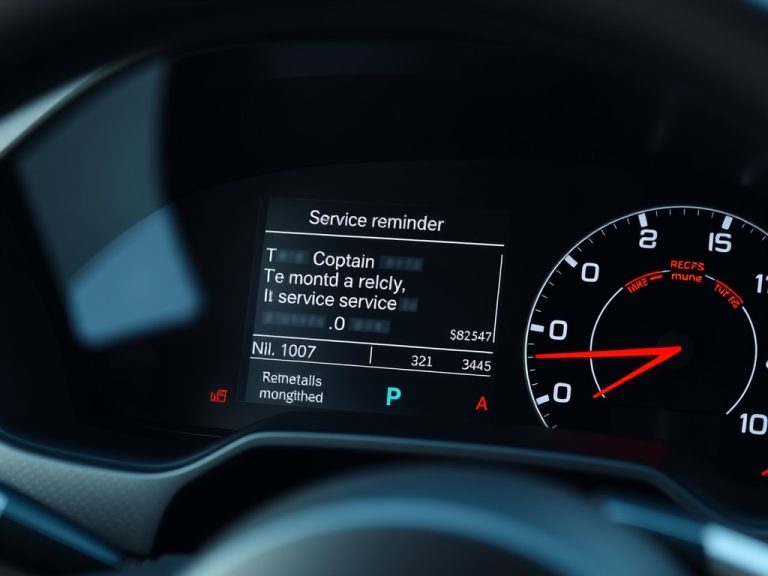
Inside the vehicle, check seat operation, belts, airbags, windows, locks, infotainment, climate control, cameras, parking sensors, sunroof, wipers, and warning lights. Turn the ignition on without starting if possible, confirm warning lights illuminate for bulb check, then verify they go out after starting. A missing warning light can be as suspicious as an active one.
Smell matters. Musty odors may suggest water intrusion. Heavy air freshener can hide smoke, mildew, or pet odors. Damp carpet, condensation, rusty seat tracks, or silt under trim can be signs of past water damage.
Mechanical checks before the road test
Inspect fluids when the vehicle is cold and safely parked. Engine oil should not look milky, coolant should not look oily, and transmission fluid, if serviceable, should not smell burned. Check visible belts, hoses, leaks, battery condition, and signs of poor repairs. A used oil analysis can add another layer for higher-value vehicles, especially if you want trend evidence or contamination clues. The article on what a used oil analysis report can show explains how those reports should be interpreted.
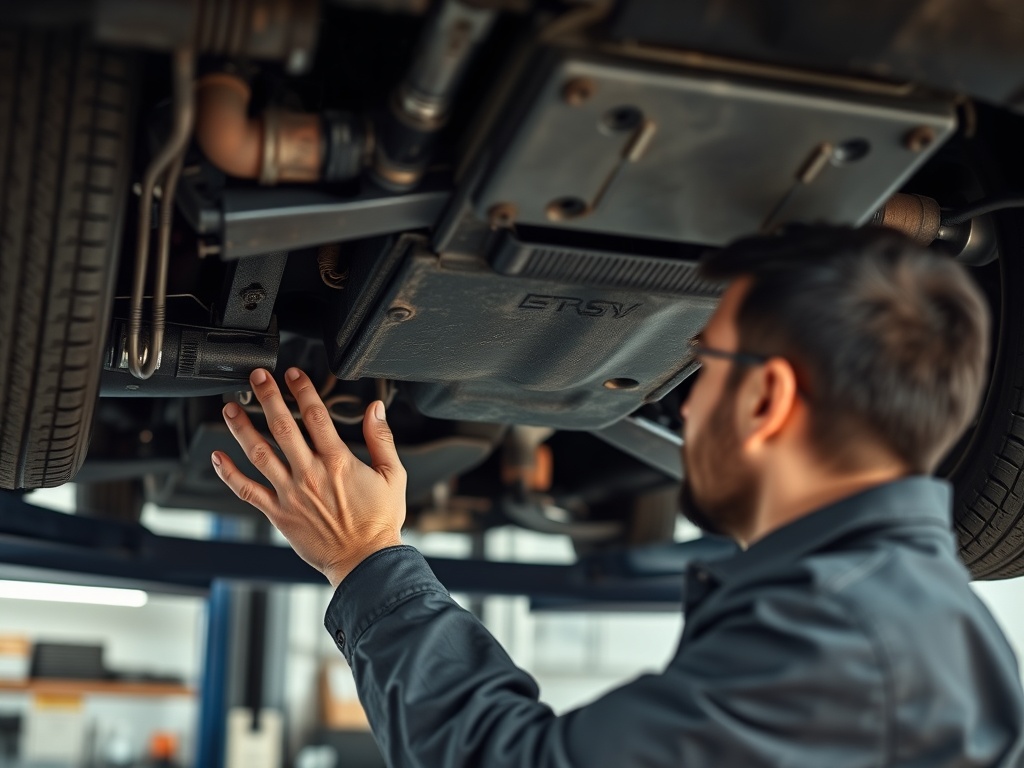
Look under the vehicle if you can do so safely. Drips, torn boots, wet shocks, damaged exhaust, uneven tire wear, and bent suspension parts are warning signs. For hybrids, EVs, diesels, performance vehicles, and trucks used for towing, a general walkaround is not enough. Get specialist input.
Road-test checklist
Start the car cold. Listen for rattles, ticking, grinding, extended cranking, or unstable idle. During the drive, test low-speed steering, moderate braking, acceleration, transmission shifts, cruise behavior, HVAC, and straight-line tracking. The road test should include city speeds and highway speeds when safe and legal.
Pay attention to feel, not just dashboard lights. A vehicle can have no warning light and still pull, vibrate, shift harshly, wander, overheat, or brake unevenly. If the seller refuses a reasonable road test or independent inspection, that is a red flag.
Easy-to-miss details that change the deal
Tires are often overlooked. Check brand matching, date codes, tread depth, uneven wear, and correct load rating. On trucks, tire and suspension condition matters even more if the vehicle towed often. Maintenance needs for towing are covered in pickup truck service needs when you tow frequently.
Also check keys, wheel locks, charging cables, cargo covers, emissions documents, and state inspection status. Missing items may not be dealbreakers, but they can add cost. Confirm whether the vehicle has a loan payoff, rebuilt title, lemon-law branding, or odometer inconsistency.
When to pay for a professional inspection
Pay for an independent inspection when the vehicle is expensive, the seller offers no warranty, the car has advanced safety systems, the history is unclear, or the vehicle will be used for family, work, towing, or long commutes. The cost of an inspection is usually small compared with a missed transmission, structural, electrical, or water-damage problem.
A good inspection report should separate urgent safety issues, upcoming maintenance, cosmetic concerns, and optional improvements. That makes the next conversation easier: negotiate, request repairs, budget for service, or walk away.
Red flags that should slow the purchase
Walk away or pause if the VIN does not match, the seller avoids documents, the title is not available, warning lights are disabled, fluid contamination is obvious, structural rust is present, flood signs appear, or the seller pressures you to skip inspection. A fair seller should understand why you want proof before buying.
Buy with evidence, not hope
The smartest used-car purchase is not the one with the cleanest shine. It is the one with matching documents, consistent condition, reasonable maintenance evidence, and no hidden safety questions. Bring a checklist, take your time, and let inspection results guide the decision.