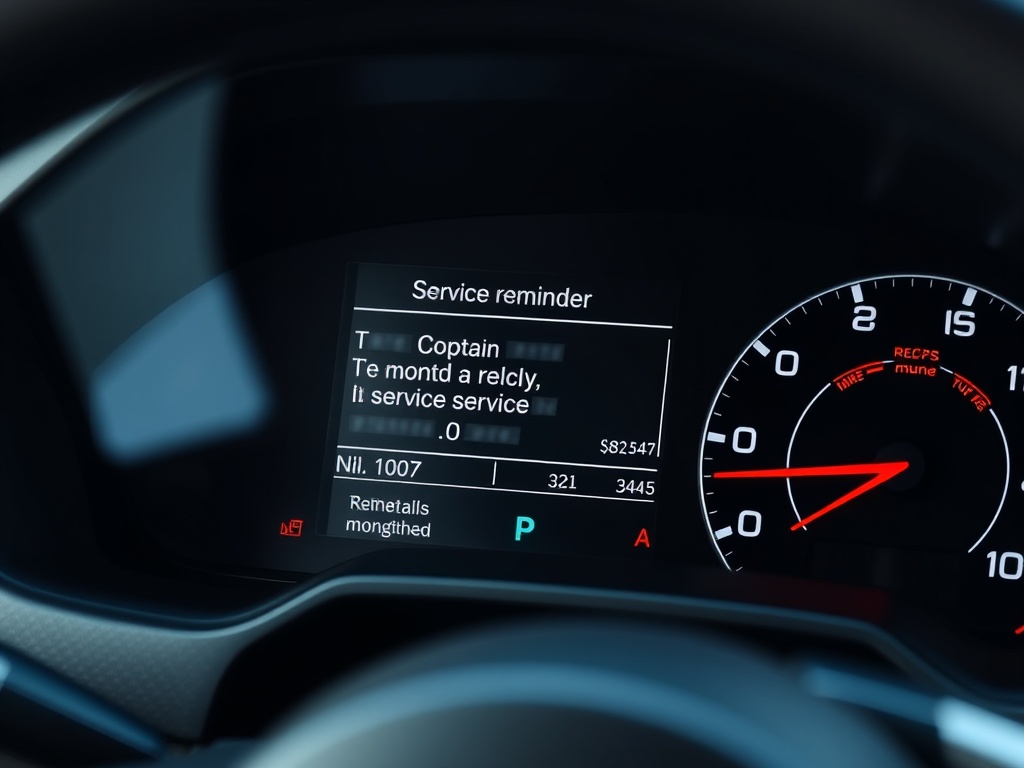
CVT service basics come down to using the correct fluid, following the manufacturer’s maintenance schedule, watching for heat and drivability symptoms, and avoiding myths that treat every CVT as either fragile or maintenance-free. A CVT is different from a conventional automatic, but it still needs informed care.
Transmission truth: A continuously variable transmission does not shift through fixed gears like many traditional automatics. That difference changes how it feels, how it is diagnosed, and why the correct fluid matters so much.
What a CVT does in plain language
A continuously variable transmission changes ratios smoothly instead of stepping through set gears. Many designs use pulleys and a belt or chain, while some hybrid systems use different mechanical layouts. The goal is to keep the engine operating efficiently while vehicle speed changes.
ScienceDirect’s engineering overview describes a CVT as a system that avoids fixed gears in favor of a pulley system that can constantly adjust the drive ratio to match engine speed needs ScienceDirect CVT overview. For drivers, that can feel like steady engine speed during acceleration rather than the familiar shift points of a conventional automatic.
Why fluid choice matters
CVT fluid is not generic automatic transmission fluid. It must provide the friction, pressure, cooling, and protection characteristics required by that specific unit. The wrong fluid can cause shudder, slipping, wear, noise, or failure. Always use the exact specification listed by the manufacturer or a fluid that clearly states compatibility with that specification.
Transmission Digest notes that CVT maintenance includes fluid and filter considerations, and that fluid condition and level are central to CVT performance Transmission Digest CVT maintenance. That is a professional trade source, but the practical message for owners is simple: fluid details are not a place to improvise.

Myth vs fact
| Myth | More accurate view |
|---|---|
| “All CVTs are bad.” | CVT reliability varies by design, maintenance, use, and model history. Broad labels are not useful. |
| “CVT fluid never needs service.” | Some schedules are long, but many vehicles specify service under certain mileage or severe use. Check the manual. |
| “A CVT should feel like a regular automatic.” | Many CVTs feel different by design. Smooth ratio changes are normal, but shudder, slipping, or harsh engagement is not. |
| “Any transmission shop can service every CVT.” | CVTs may need model-specific fluid, tools, procedures, relearns, or scan data. |
Common symptoms that deserve inspection
Pay attention to shuddering, whining, delayed engagement, slipping sensation, overheating messages, jerky takeoff, poor acceleration, fluid leaks, or transmission-related warning lights. Some symptoms may come from engine performance, mounts, axles, software, or sensors, so diagnosis matters.
Do not keep driving hard if the CVT overheats or enters limp mode. Heat is one of the major enemies of transmission life. Pull over safely when advised by the manual, let the system cool, and schedule inspection if the issue returns.
Maintenance timing and severe use
CVT maintenance intervals vary. Some vehicles call for fluid inspection or replacement at specific mileage. Others list severe-service intervals for towing, hot climates, hills, stop-and-go driving, rideshare use, or dusty conditions. The manual and service information should guide the plan.
If you tow with a vehicle equipped with a CVT, be extra careful. Not every CVT-equipped vehicle is designed for heavy towing, and towing within rating still adds heat. Truck-focused towing service is covered separately in pickup truck service needs when you tow frequently, but the same principle applies: workload changes maintenance.
DIY service: possible, but not casual
Some experienced DIY owners can service certain CVTs, but the procedure may require exact fluid temperature, scan-tool readings, specific fill steps, correct fluid, level checks, and sometimes relearn procedures. Overfilling or underfilling can cause problems. Mixing fluids can cause problems. Using a universal fluid without matching the specification can cause problems.
DIY makes more sense for recordkeeping, symptom tracking, and basic leak checks than for guessing at fluid service. If you do perform the service yourself, keep receipts, note mileage, and document the fluid specification used. Maintenance records can help resale value and make future diagnostics easier.
Used-car concerns with CVTs
A pre-purchase inspection is especially useful for CVT-equipped vehicles. Ask for transmission service records, drive the vehicle cold and warm, test gentle and moderate acceleration, and listen for whine or shudder. A clean dashboard is not enough. The pre-purchase car inspection checklist can help organize those checks before you commit.
If the service history is unknown, do not assume an aggressive flush is always the answer. Some vehicles need drain-and-fill service, some need filters or screens, and some require careful diagnostic review before any fluid service. Follow model-specific guidance.
When a CVT issue becomes bigger than maintenance
Routine service cannot fix mechanical wear, pressure-control problems, belt or chain damage, valve body issues, overheating history, or software-related faults by itself. If symptoms are already present, ask for diagnosis before approving maintenance. A fluid service may help in some cases, but it can also fail to address the root cause.
Maintain the CVT you actually own
CVTs are not all the same. The best maintenance plan is specific to the vehicle, driving conditions, fluid specification, and symptoms. Avoid myths, keep records, use the right fluid, and treat heat or drivability changes as reasons to inspect early.