Home emergency readiness starts with three practical jobs: understand the hazards most likely to affect your household, make a simple response and communication plan, and keep essential supplies where you can reach them quickly. You do not need a bunker or expensive gear; you need a plan that fits the people, pets, medications, mobility needs, utilities, and risks in your home.
TL;DR: Build a portable emergency kit, decide how your household will communicate and evacuate, learn how to receive local alerts, and review the plan several times a year. Start with the basics, then tailor them to local hazards and individual needs.
What does home emergency readiness actually include?
Emergency readiness is broader than buying a first-aid kit. It combines information, supplies, communication, evacuation planning, and basic home-safety checks. Ready.gov organizes household preparedness around knowing likely hazards, making a plan, building a kit, and staying informed. That framework is useful because it keeps beginners focused on actions they can maintain rather than on collecting equipment without a plan for using it.
At home, think in layers. First, know what could reasonably interrupt normal life: a power outage, severe storm, wildfire smoke, flood, earthquake, winter weather, or a house fire, depending on where you live. Second, decide what each person should do if the household must shelter in place or leave. Third, gather supplies for those scenarios. Finally, make sure everyone knows where the supplies are and how to use the most important items.
The small-space home design FAQ can also help keep storage accessible without blocking walkways or exits.
What should go in a basic home emergency kit?
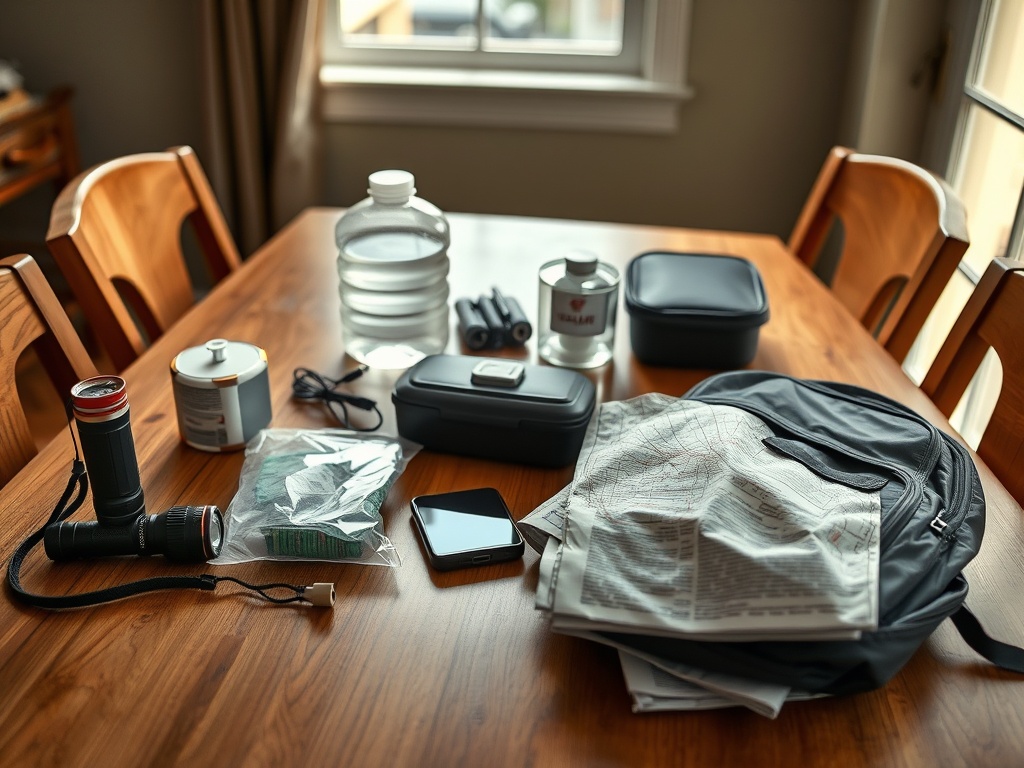
A beginner kit should cover water, food, light, information, first aid, medication, sanitation, communication, and essential documents. The American Red Cross emergency-supply guidance recommends water, nonperishable food, a flashlight, a battery-powered or hand-crank radio, extra batteries, first-aid supplies, medications, phone chargers, copies of important documents, contact information, cash, and other household-specific items.
Do not copy a generic list without adapting it. A household with an infant may need formula and diapers. Someone who uses prescription medication may need a plan for refills and safe storage. A pet owner needs food, identification, a carrier or leash, and veterinary information. People who use mobility, hearing, vision, or medical devices should include backup power or alternate arrangements where possible.
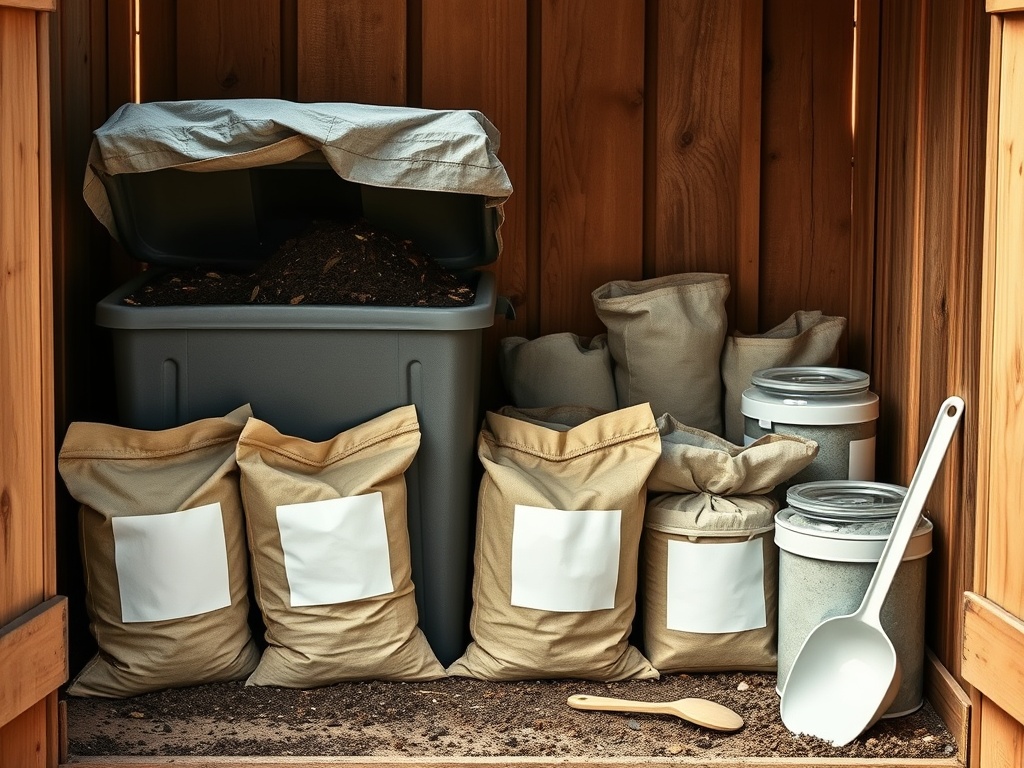
Store the kit in a place adults can reach quickly but young children cannot casually empty. If evacuation is a realistic possibility, keep the core supplies in containers or bags that can be moved without repacking everything.
How much water and food should I store?
There is no single quantity that fits every emergency or region. The Red Cross provides minimum supply guidance for evacuation and longer home stays, while local emergency agencies may recommend more for hazards that can isolate communities for extended periods. Treat those figures as planning baselines, not guarantees that a particular supply will cover every event.
For food, prioritize items your household will actually eat, that do not require difficult preparation, and that fit dietary or medical needs. Rotate stored food before it expires. If your plan depends on canned goods, include a manual can opener. If your water supply depends on stored containers, label and rotate them according to the container or public-health guidance you follow.
Do I need separate plans for sheltering in place and evacuating?
Yes. They solve different problems. Sheltering in place assumes remaining at home is safer than leaving, so the plan should address communications, power loss, safe indoor conditions, food, water, medications, and updates from authorities. Evacuation planning focuses on routes, transportation, destinations, meeting points, pets, essential documents, and what happens if family members are apart when the order comes.
The Red Cross disaster-planning guidance recommends deciding where you would go, planning routes, considering alternate routes, and accounting for every household member. Keep maps or critical details available offline because cellular service or power can fail.

How should a family communication plan work?
Keep it simple enough to remember under stress. Choose an out-of-area contact who can act as a relay if local networks are overloaded. Make sure children know which trusted adult to contact and where to meet if the family cannot return home. Store key numbers in phones, but also keep a paper copy in wallets, backpacks, or the emergency kit.
Agree on at least two meeting places: one close to home for a sudden event and another outside the neighborhood if the area must be evacuated. If household members commute, attend school, or spend time at different locations, review the emergency procedures for those places too.
How often should I review supplies and the plan?
A practical rhythm is to check the kit and plan several times a year and after any major household change. Replace expired food or medication, charge battery banks, test flashlights and radios, update contact cards, and make sure clothing still fits children. A new pet, new medication, relocation, changed school, or different commute can make an old plan incomplete.
Practice matters as much as paperwork. A short walk-through can reveal that the kit is too heavy, a meeting place is unrealistic, or a family member does not know what to do. The goal is to remove avoidable confusion.
What home-safety details belong in preparedness planning?
Emergency readiness should not encourage risky do-it-yourself work. Learn where utility shutoffs are, but follow utility and local authority instructions on when and how they should be used. Keep exits clear. Confirm that smoke and carbon-monoxide alarms are installed and maintained according to local code and manufacturer instructions. If you use a generator, fuel-burning heater, or other emergency equipment, follow the manufacturer and fire-safety guidance exactly because improper use can create carbon-monoxide, fire, and electrical hazards.
In homes where tall storage or heavy furniture is used to make space for supplies, keep the layout stable and accessible. The same principle applies to ordinary organization: preparedness gear should not create a new trip, tip-over, or exit hazard.
What are the most common beginner mistakes?
The first is buying gear without deciding what problem it solves. The second is storing supplies so deeply that they are difficult to reach. The third is assuming everyone will remember the plan without practice. Other common gaps include dead batteries, outdated contact information, expired medication, no pet plan, and relying entirely on a phone for maps or numbers.
Another mistake is preparing only for a dramatic regional disaster while ignoring common interruptions such as short power outages or water-service problems. Start with the events most plausible where you live and build outward. That makes the plan easier to use and easier to maintain.
What should I prepare after the basics are covered?
Once the core plan is working, improve the areas that most affect your household. That might mean better backup lighting, extra charging capacity, copies of insurance information, or safer storage. If organization is creating access problems, review the garden-design mistakes guide for the broader principle that good planning starts with real conditions rather than assumptions.
Build Readiness in Small Steps
A useful emergency plan is one your household can understand, reach, carry, and update. Begin with likely risks, a communication plan, and a practical supply kit. Then test the plan, correct weak spots, and add specialized items only when they serve a clear need. Local emergency-management instructions should always take priority during an actual event.
Next step: Write down one meeting place, one out-of-area contact, and the location of your emergency kit. Those three decisions turn preparedness from an idea into a usable starting plan.
Informational note: This article is for general educational purposes and does not replace guidance from local emergency-management agencies, fire departments, utilities, medical professionals, or other qualified safety authorities.